“Cracking” Morse code with RNNs

“Cracking” Morse code with RNNs

  • March 5, 2018
Table of Contents

“Cracking” Morse code with RNNs

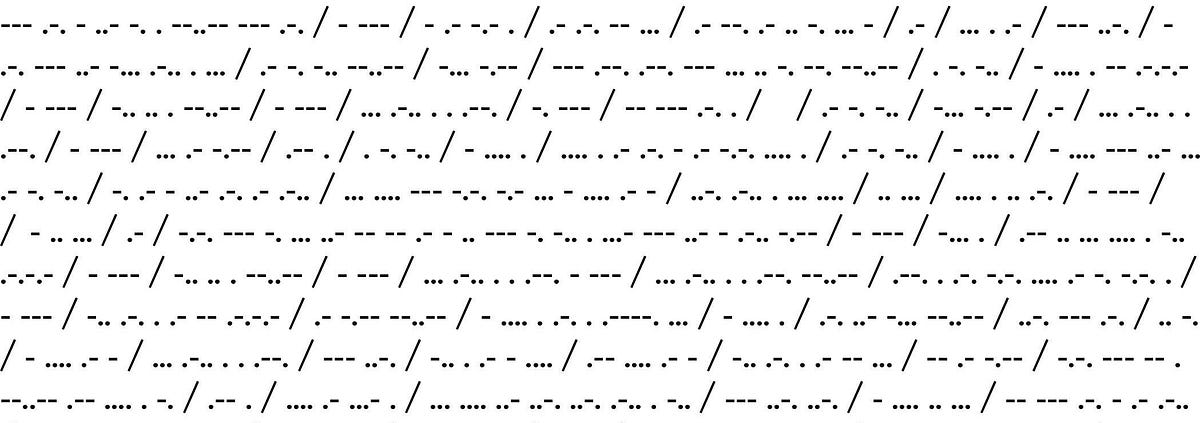
Spoiler alert: Morse code doesn’t really need cracking. Its useful because messages can be sent using this code with minimal equipment, and I say it doesn’t need cracking because the code is well known and what the combinations of dots and dashes stand for is no secret. But, in theory, it is a substitution cipher — where each letter of the alphabet (and each digit) has some representation using dots and dashes, as illustrated below.

Source: towardsdatascience.com
Share :
comments powered by Disqus

Related Posts

Learning by playing

Learning by playing

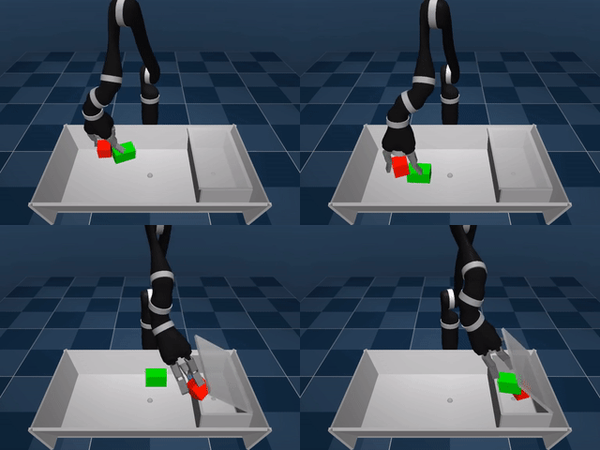
Our new paper proposes a new learning paradigm called ‘Scheduled Auxiliary Control (SAC-X)’ which seeks to overcome the issue of exploration in control tasks. SAC-X is based on the idea that to learn complex tasks from scratch, an agent has to learn to explore and master a set of basic skills first. Just as a baby must develop coordination and balance before she crawls or walks—providing an agent with internal (auxiliary) goals corresponding to simple skills increases the chance it can understand and perform more complicated tasks.

Read More
Machine Learning Workflow on Diabetes Data : Part 01

Machine Learning Workflow on Diabetes Data : Part 01

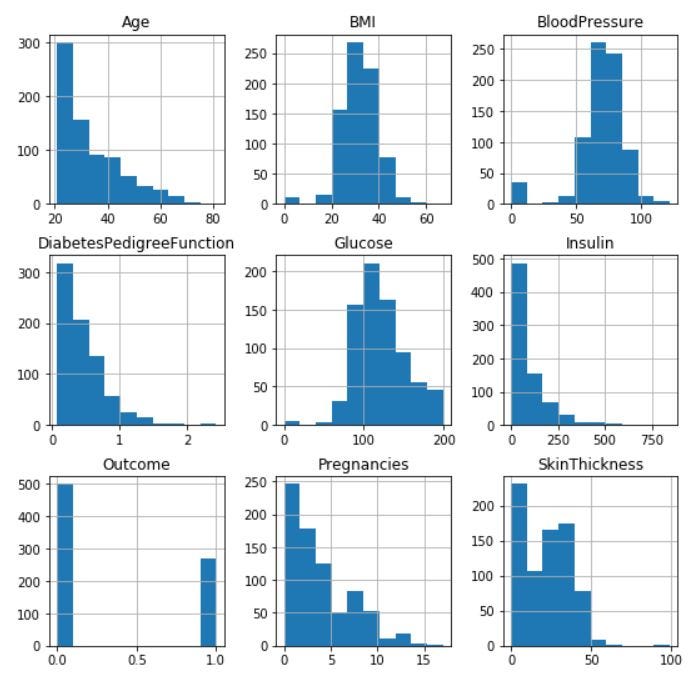
This article will portray how data related to diabetes can be leveraged to predict if a person has diabetes or not. More specifically, this article will focus on how machine learning can be utilized to predict diseases such as diabetes. By the end of this article series you will be able to understand concepts like data exploration, data cleansing, feature selection, model selection, model evaluation and apply them in a practical way.

Read More