Ubisoft is using AI to catch bugs in games before devs make them

Ubisoft is using AI to catch bugs in games before devs make them

  • March 6, 2018
Table of Contents

Ubisoft is using AI to catch bugs in games before devs make them

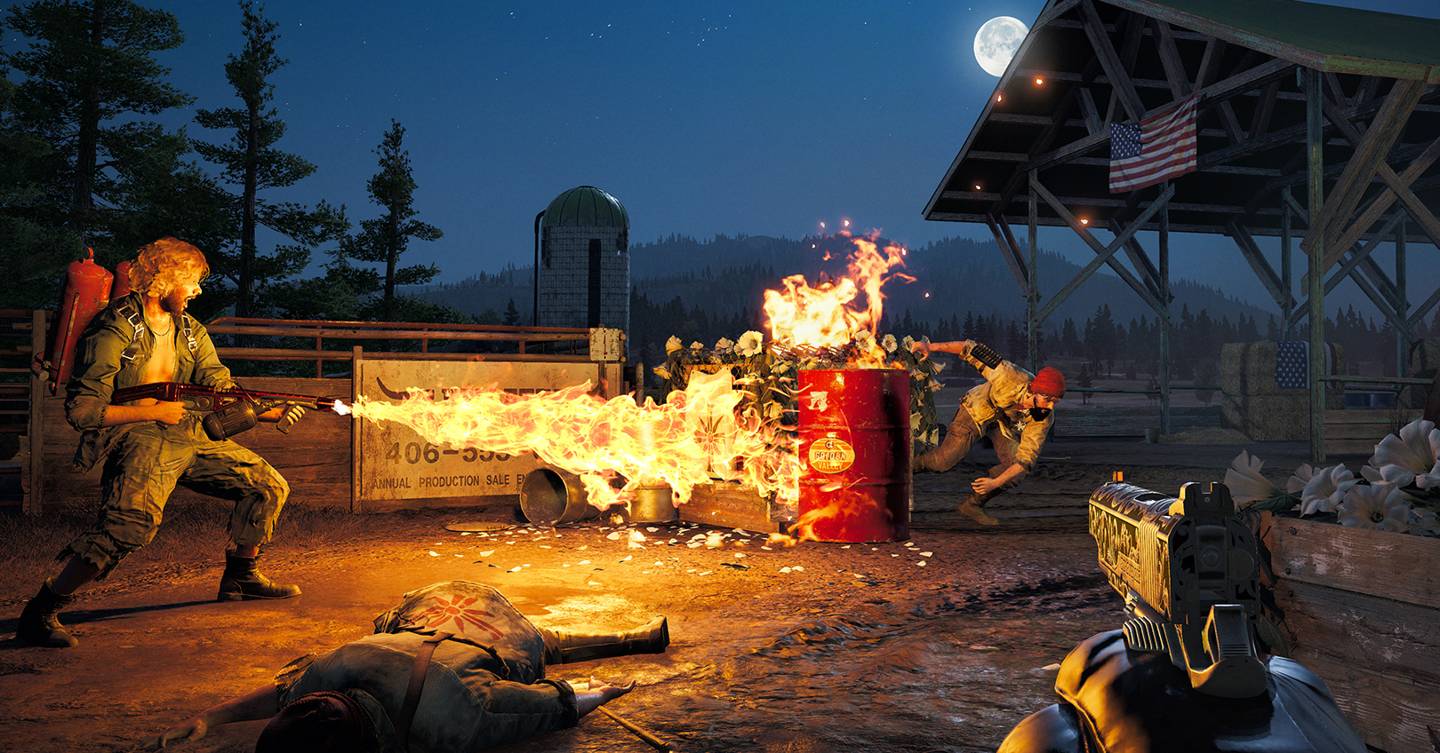
At the recent Ubisoft Developer Conference in Montreal, the French gaming company unveiled a new AI assistant for its developers. Dubbed Commit Assistant, the goal of the AI system is to catch bugs before they’re ever committed into code, saving developers time and reducing the number of flaws that make it into a game before release. ‘I think like many good ideas, it’s like ‘how come we didn’t think about that before?’,’ says Yves Jacquier, who heads up La Forge, Ubisoft’s R&D division in Montreal.

His department partners with local universities including McGill and Concordia to collaborate on research intended to advance the field of artificial intelligence as a whole, not just within the industry.

Source: co.uk

Tags :
Share :
comments powered by Disqus

Related Posts

A Framework for Building Artificial Intelligence Capabilities

A Framework for Building Artificial Intelligence Capabilities

AI will likely become the most important technology of our era as it’s improved upon over time, but we’re still in the early stages of deployment, CIO Journal Columnist Irving Wladawsky-Berger writes. History shows that even after technologies start crossing over into mainstream markets, it takes considerable time for the new tech to be widely embraced across the economy.

Read More
Bonsai AI: Using Simulink for Deep Reinforcement Learning

Bonsai AI: Using Simulink for Deep Reinforcement Learning

Simulink provides a great training environment for DRL as it allows 3rd parties like Bonsai to integrate and control simulation models from the outside. This ability is one of the basic requirements for simulation platforms to be feasible for Deep Reinforcement Learning using Bonsai AI. More requirements can be found here.

Read More
The Birth of A.I.

The Birth of A.I.

Waze famously disrupted GPS navigation by crowdsourcing user data from mobile phones, instead of purchasing costly sensors tied to city infrastructure, as Nokia had done before them. Waze then scaled with low overhead costs by using machine learning algorithms to find precise traffic patterns that optimized each user’s route. The end result of this dynamic was massive layoffs at Nokia, and Google’s acquisition of / integration with Waze in 2013.

Read More