Ancient DNA Is Rewriting Human and Neanderthal History

Ancient DNA Is Rewriting Human and Neanderthal History

  • March 16, 2018
Table of Contents

Ancient DNA Is Rewriting Human and Neanderthal History

Geneticist David Reich used to study the living, but now he studies the dead. The precipitating event came in the form of 40,000-year-old Neanderthal bones found in a Croatian cave. So well-preserved were the bones that they yielded enough DNA for sequencing, and it became Reich’s job in 2007 to analyze the DNA for signs that Neanderthals interbred with humans—a idea he was “deeply suspicious” of at the time.

Source: theatlantic.com

Tags :
Share :
comments powered by Disqus

Related Posts

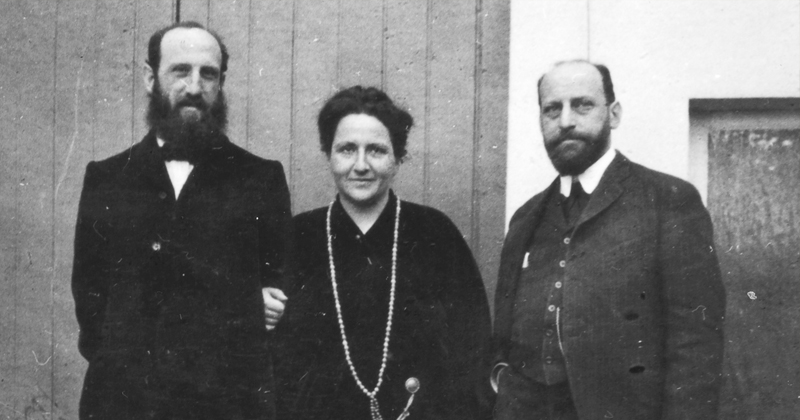
How Leo and Gertrude Stein Revolutionized the Art World

How Leo and Gertrude Stein Revolutionized the Art World

If Picasso and Matisse were rivals from almost the first moment each knew of the other’s existence, the contest was driven as much by those cheering from the sidelines as by their own considerable egos. It was Montmartre versus the Latin Quarter, the bande à Picasso versusthe Fauves, the dark voodoo of the Spaniard versus the Apollonian grace of the Frenchman. For the most part the competition was respectful, but it could occasionally devolve into childish stunts.

Read More
Exploring the Linguistics Behind Regular Expressions

Exploring the Linguistics Behind Regular Expressions

Little did I know that learning about Chomsky would drag me down a rabbit hole back to regular expressions, and then magically cast regular expressions into something that fascinated me. What enchanted me about regular expressions was the homonymous linguistic concept that powered them.

Read More
New study tracks the evolution of stone tools

New study tracks the evolution of stone tools

For at least 2.6 million years, humans and our ancestors have been making stone tools by chipping off flakes of material to produce sharp edges. We think of stone tools as very rudimentary technology, but producing a usable tool without wasting a lot of stone takes skill and knowledge. That’s why archaeologists tend to use the complexity of stone tools as a way to measure the cognitive skills of early humans and the complexity of their cultures and social interactions.

Read More