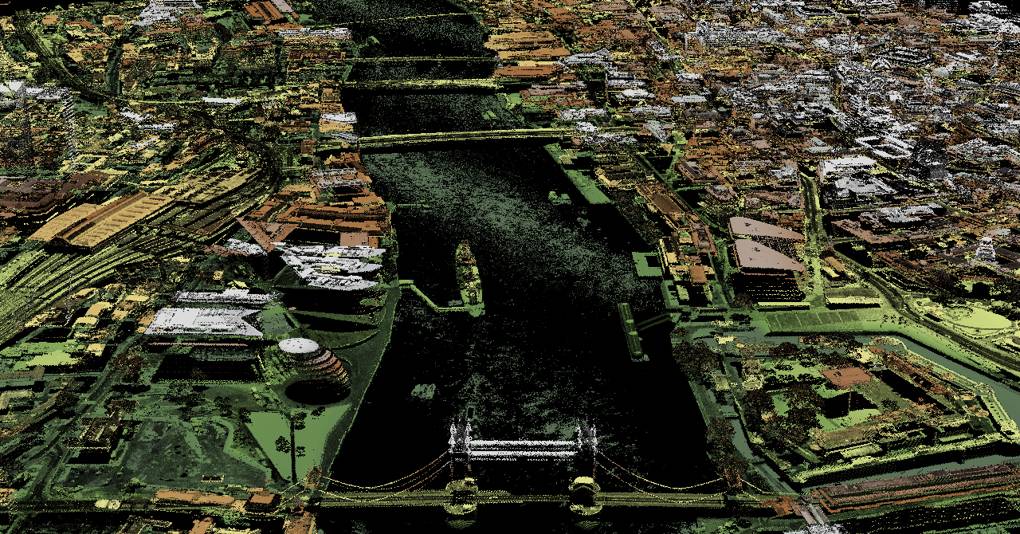
LiDAR scans are finding hidden Roman roads and cutting crime

LiDAR scans are finding hidden Roman roads and cutting crime

  • March 16, 2018
Table of Contents

LiDAR scans are finding hidden Roman roads and cutting crime

Back in 43AD, after the Roman conquest of Britain, the Emperor Vespasian sent governor Quintus Petilius Cerialis to what’s now Lancashire, Yorkshire and Cumbria to wrestle control of the north of England from a Celtic tribe called the Brigantes and put down a rebellion that had erupted after the breakdown of the marriage between Queen Cartimandua and her husband Venetius (she eloped with a ‘common soldier’). These roads were an important part of connecting buildings and settlements to consolidate territory up north.

Source: co.uk

Share :
comments powered by Disqus

Related Posts

Open Location Code: Easier location encoding

Open Location Code: Easier location encoding

Open Location Codes are a way of encoding location into a form that is easier to use than latitude and longitude. They are designed to be used like street addresses, especially in places where buildings aren’t numbered or streets aren’t named.

Read More
How Do Drone Light Shows Work?

How Do Drone Light Shows Work?

MRS is a new initiative of the IEEE RAS Technical Committee on Multi-Robot Systems, and it’s intended to bring together researchers who are in the field of multi-robot systems (MRS) and multi-agent systems (MAS). “Typically MRS/MAS research is spread across large conferences, so the intent of this more focused conference is to bring those researchers together to highlight the best in the field and learn more from each other,” said Dr. Nora Ayanian, Assistant Professor and Director of the ACT Lab at USC and MRS chair.

Read More