Depth-sensing imaging system can peer through fog

Depth-sensing imaging system can peer through fog

  • March 21, 2018
Table of Contents

Depth-sensing imaging system can peer through fog

In a study that holds promise for self-driving cars, MIT researchers have developed a system that can image and gauge the distance of objects shrouded by fog so thick that human vision can’t penetrate it.

Source: mit.edu

Share :
comments powered by Disqus

Related Posts

Self-driving cars will cause sprawl

Self-driving cars will cause sprawl

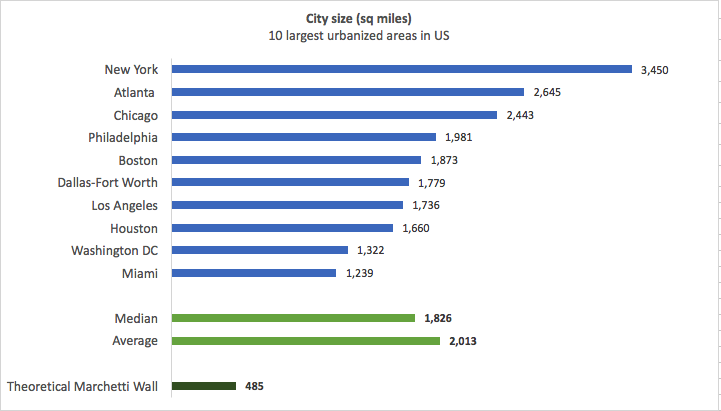
In a 1994 paper called “Anthropological Invariants in Travel Behavior,” he looked at empirical historical data to establish a relationship between the adoption of new transit technology and how much the footprints of cities sprawl.

Read More
Uber self-driving car crashes into another car in Pittsburgh

Uber self-driving car crashes into another car in Pittsburgh

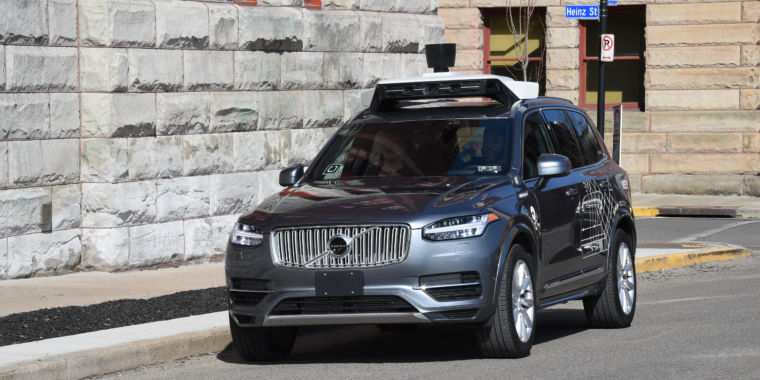
An Uber self-driving car collided with another vehicle in Pittsburgh on February 24 in an incident first reported by Pittsburgh’s channel 11 last week. No one was seriously injured, but the incident caused serious damage to the vehicles. Uber and the driver disagree on exactly what happened in the seconds before the crash.

Read More
What’s it like to ride in a self-driving car?

What’s it like to ride in a self-driving car?

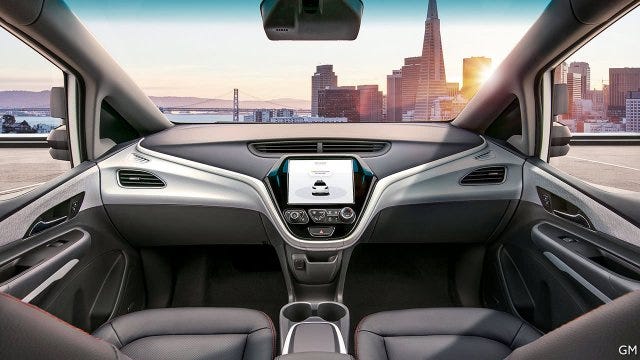
I’ve spent the past few months working on a 10,000-word special report on AVs for The Economist, which was published in this week’s issue. The focus of my report is mostly on the long-term implications of AVs, based on the assumption (a reasonable one, I think) that the technology can be made to work reliably in the next few years. Rather than focusing on the minutiae of things like the ever-changing industry alliances, or who is suing who, I concentrated instead on the impact on urban planning, the transformation of retailing and the broader social and political implications of cars that can drive themselves.

Read More