New lithium-air battery survives hundreds of cycles

New lithium-air battery survives hundreds of cycles

  • March 23, 2018
Table of Contents

New lithium-air battery survives hundreds of cycles

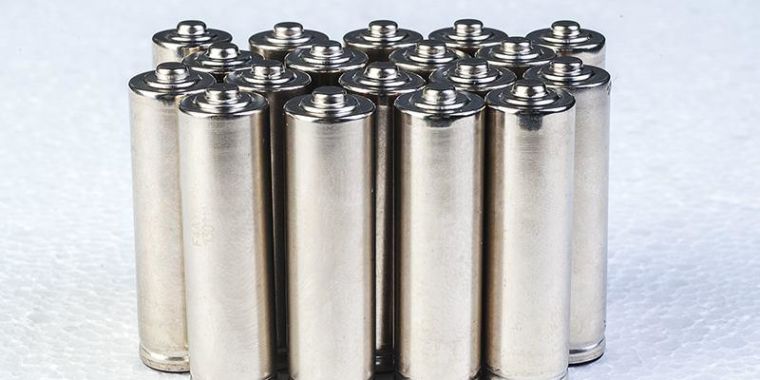
Batteries supply electrons by undergoing reversible chemical reactions. That has meant that all the reactants have to be inside the battery, which adds to its weight and volume. Lithium-air batteries could potentially change that situation.

At one electrode, they have pure lithium metal rather than a lithium-containing chemical. At the other, the lithium reacts with oxygen in the air. When the battery is charged, this reaction is reversed, and the oxygen is returned to our atmosphere.

Source: arstechnica.com
Share :
comments powered by Disqus

Related Posts

A Preview of Bristlecone, Google’s New Quantum Processor

A Preview of Bristlecone, Google’s New Quantum Processor

The goal of the Google Quantum AI lab is to build a quantum computer that can be used to solve real-world problems. Our strategy is to explore near-term applications using systems that are forward compatible to a large-scale universal error-corrected quantum computer. In order for a quantum processor to be able to run algorithms beyond the scope of classical simulations, it requires not only a large number of qubits.

Read More
Is Google Going Underground with Hypersonic Tech?

Is Google Going Underground with Hypersonic Tech?

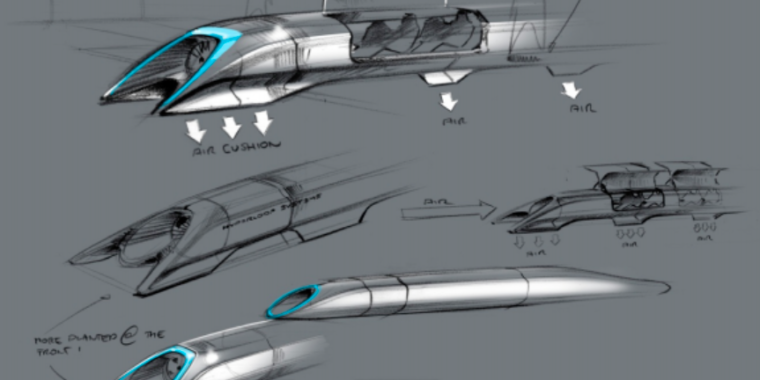
Google is carrying out research on hypersonics, probably for new technologies to slash the cost of geothermal energy and tunneling. It could also be acquiring a Washington-based startup called HyperSciences that has already built prototype devices.

Read More
Surprise graphene discovery could unlock secrets of superconductivity

Surprise graphene discovery could unlock secrets of superconductivity

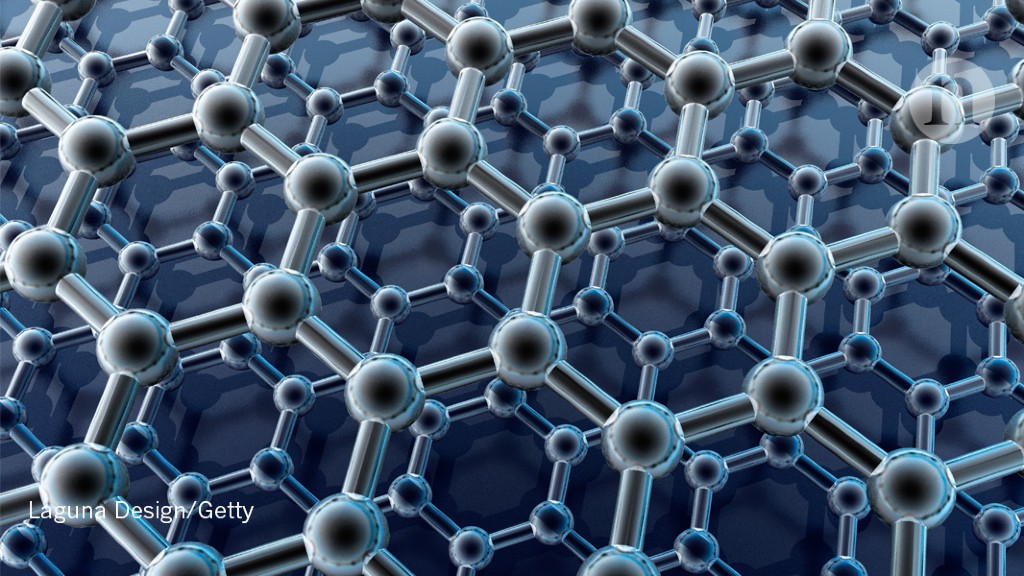
A sandwich of two graphene layers can conduct electrons without resistance if they are twisted at a ‘magic angle’’, physicists have discovered. The finding could prove to be a significant step in the decades-long search for room-temperature superconductors.

Read More