Quantum Computers Strive to Break Out of the Lab

Quantum Computers Strive to Break Out of the Lab

  • March 23, 2018
Table of Contents

Quantum Computers Strive to Break Out of the Lab

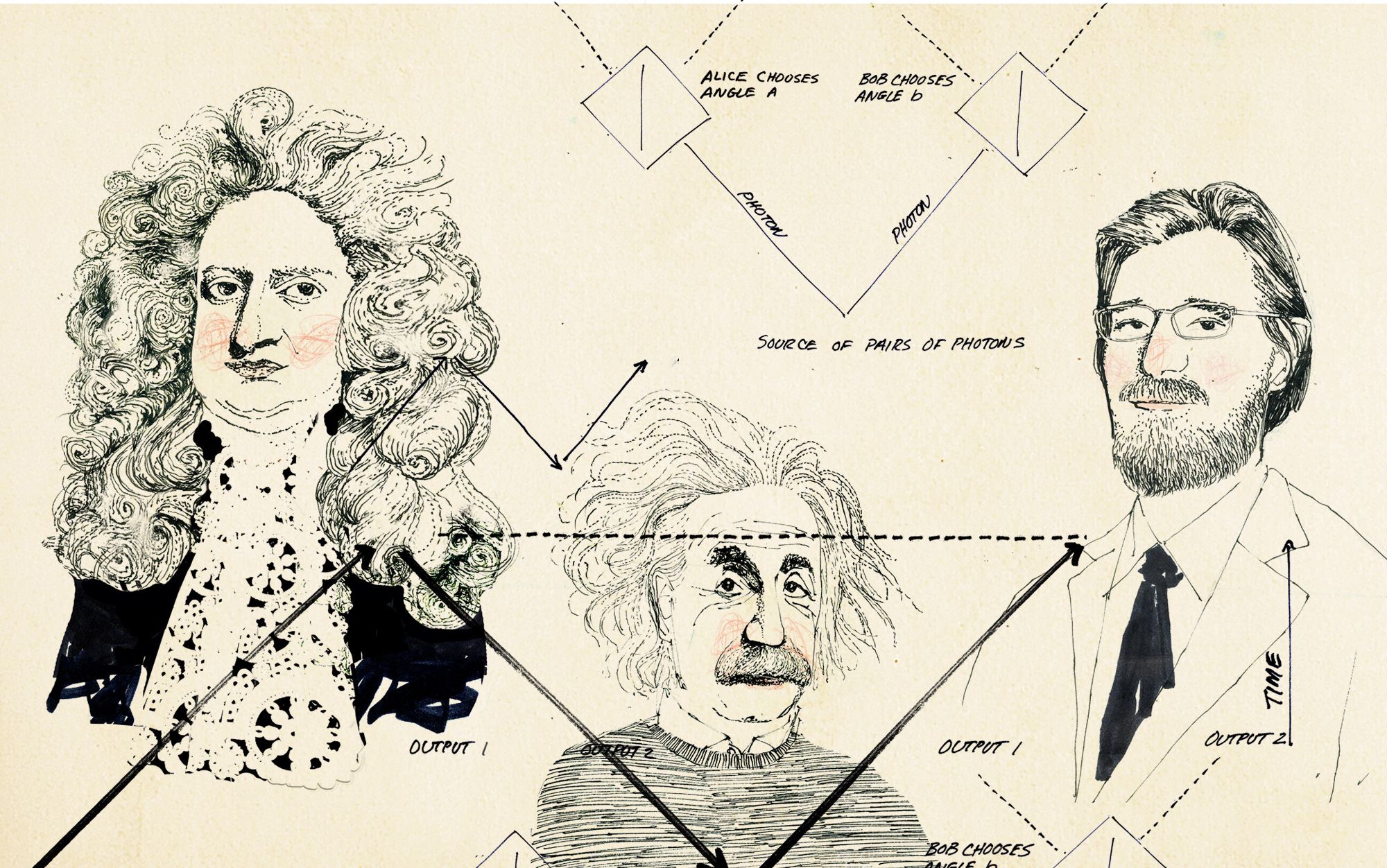
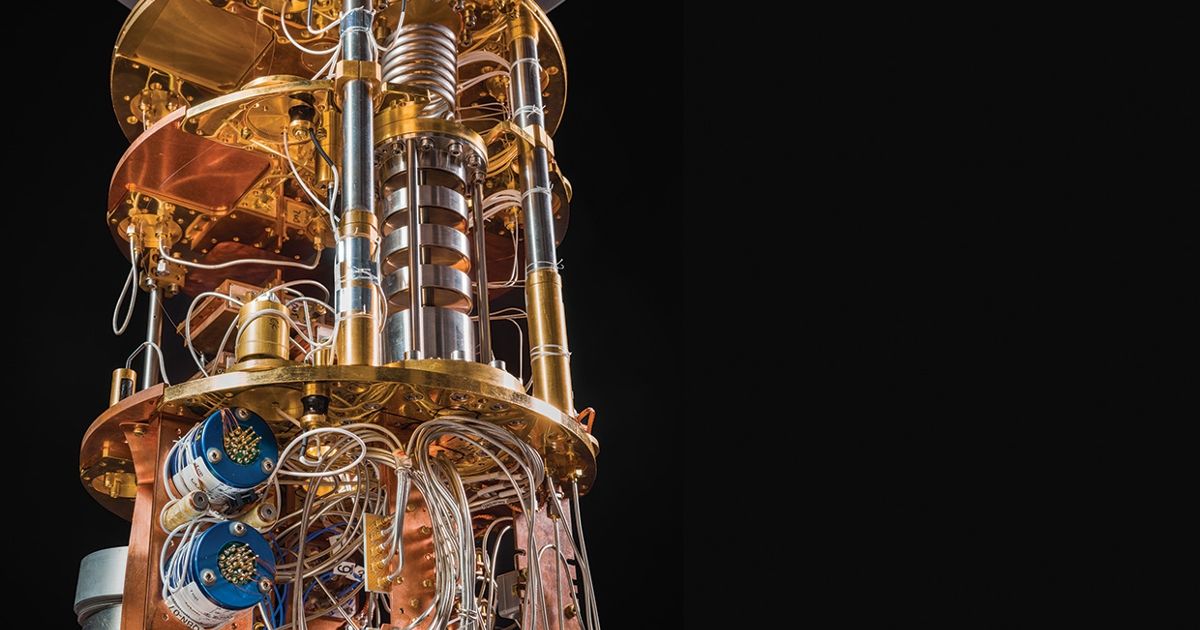
Schrödinger’s famous thought experiment has come to life in a new form because quantum researchers are at the cusp of a long-sought accomplishment: creating a quantum computer that can do something notraditional computer can match. They’ve spent years battling naysayers who insisted that a quantum computer was an unachievable sci-fi fantasy, and nowthese researchers are finally beginning to indulge in some well-deserved self-congratulation.

Source: ieee.org

Tags :
Share :
comments powered by Disqus

Related Posts

Demystifying Quantum Gates — One Qubit At A Time

Demystifying Quantum Gates — One Qubit At A Time

If you want to get into quantum computing, there’s no way around it: you will have to master the cloudy concept of the quantum gate. Like everything in quantum computing, not to mention quantum mechanics, quantum gates are shrouded in an unfamiliar fog of jargon and matrix mathematics that reflects the quantum mystery. My goal in this post is to peel off a few layers of that mystery.

Read More
A Preview of Bristlecone, Google’s New Quantum Processor

A Preview of Bristlecone, Google’s New Quantum Processor

The goal of the Google Quantum AI lab is to build a quantum computer that can be used to solve real-world problems. Our strategy is to explore near-term applications using systems that are forward compatible to a large-scale universal error-corrected quantum computer. In order for a quantum processor to be able to run algorithms beyond the scope of classical simulations, it requires not only a large number of qubits.

Read More
Google Unveils 72-Qubit Quantum Computer With Low Error Rates

Google Unveils 72-Qubit Quantum Computer With Low Error Rates

If a quantum processor can be operated with low enough error, it would be able to outperform a classical supercomputer on a well-defined computer science problem, an achievement known as quantum supremacy. These random circuits must be large in both number of qubits as well as computational length (depth). Although no one has achieved this goal yet, we calculate quantum supremacy can be comfortably demonstrated with 49 qubits, a circuit depth exceeding 40, and a two-qubit error below 0.5%.

Read More