Introducing TensorFlow.js: Machine Learning in JavaScript

Introducing TensorFlow.js: Machine Learning in JavaScript

  • March 31, 2018
Table of Contents

Introducing TensorFlow.js: Machine Learning in JavaScript

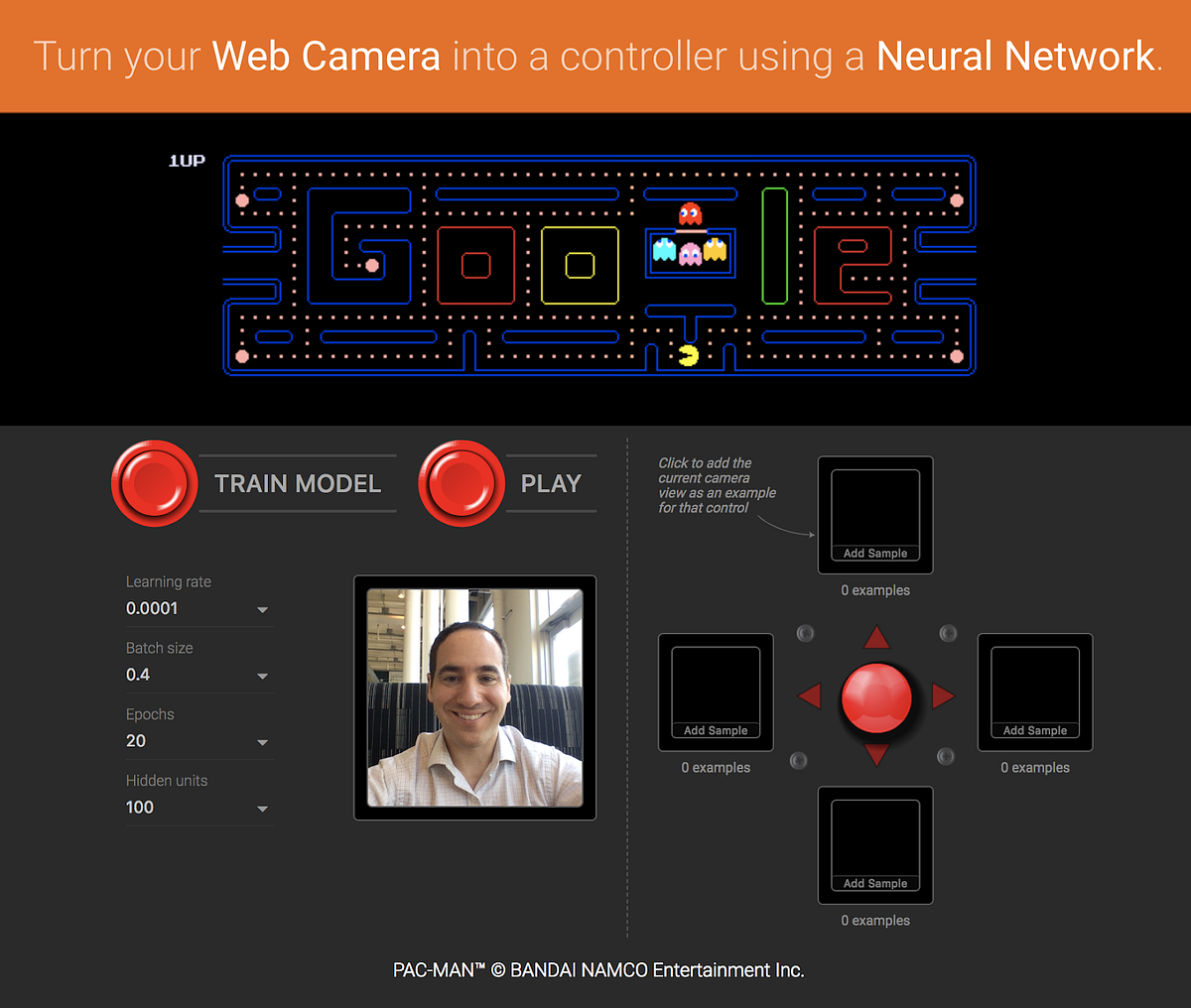
We’re excited to introduce TensorFlow.js, an open-source library you can use to define, train, and run machine learning models entirely in the browser, using Javascript and a high-level layers API. If you’re a Javascript developer who’s new to ML, TensorFlow.js is a great way to begin learning. Or, if you’re a ML developer who’s new to Javascript, read on to learn more about new opportunities for in-browser ML.

In this post, we’ll give you a quick overview of TensorFlow.js, and getting started resources you can use to try it out.

Source: medium.com

Tags :
Share :
comments powered by Disqus

Related Posts

Baidu shows off its instant pocket translator

Baidu shows off its instant pocket translator

The Chinese Internet giant has made significant strides improving machine language translation since 2015, using an advanced form of artificial intelligence known as deep learning, said Hua Wu, the company’s chief scientist focused on natural-language processing. On stage, the Internet-connected device was able to almost instantly translate a short conversation between Wu and senior editor Will Knight. It easily rendered Knight’s questions including ’Where can I buy this device?’

Read More
Expressive Speech Synthesis with Tacotron

Expressive Speech Synthesis with Tacotron

At Google, we’re excited about the recent rapid progress of neural network-based text-to-speech (TTS) research. In particular, end-to-end architectures, such as the Tacotron systems we announced last year, can both simplify voice building pipelines and produce natural-sounding speech. This will help us build better human-computer interfaces, like conversational assistants, audiobook narration, news readers, or voice design software.

Read More
AI Cardiologist Aces Its First Medical Exam

AI Cardiologist Aces Its First Medical Exam

When both the AI and expert cardiologists were asked to classify the images, the AI achieved an accuracy of 92 percent. The humans got only 79 percent correct.

Read More