Metaphors can change our opinions in ways we don’t even realize

Metaphors can change our opinions in ways we don’t even realize

  • April 3, 2018
Table of Contents

Metaphors can change our opinions in ways we don’t even realize

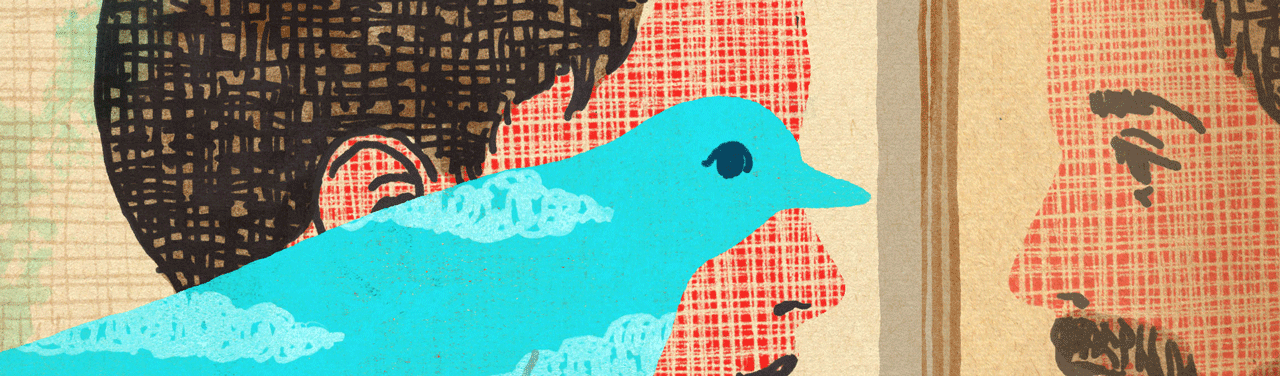
When we think about metaphor, we might think about how we typically learn about metaphor in school: as a poetic device or a rhetorical flourish. But, metaphors are not simply confined to the world of poetry—they are all around us. We describe time as money (“spending time”), arguments as war (“you attacked my argument,” “I defended my argument”), love as a journey (“their relationship hit a dead end”), and emotional states as directions (“he was feeling down,” “cheer up”).

By some estimates, we use metaphors every 25 words, but because metaphors are so embedded in our language, they often go unnoticed.

Source: qz.com
Share :
comments powered by Disqus

Related Posts

Your Speech Is Packed With Misunderstood, Unconscious Messages

Your Speech Is Packed With Misunderstood, Unconscious Messages

Imagine standing up to give a speech in front of a critical audience. As you do your best to wax eloquent, someone in the room uses a clicker to conspicuously count your every stumble, hesitation, um and uh; once you’ve finished, this person loudly announces how many of these blemishes have marred your presentation.

Read More
Social Inequality Leaves a Genetic Mark

Social Inequality Leaves a Genetic Mark

In humans, the profound biological differences that exist between the sexes mean that a single male is physically capable of having far more children than is a single female. Women carry unborn children for nine months and often nurse them for several years prior to having additional children. Men, meanwhile, are able to procreate while investing far less time in the bearing and early rearing of each child.

Read More