Robot cognition requires machines that both think and feel

Robot cognition requires machines that both think and feel

  • April 14, 2018
Table of Contents

Robot cognition requires machines that both think and feel

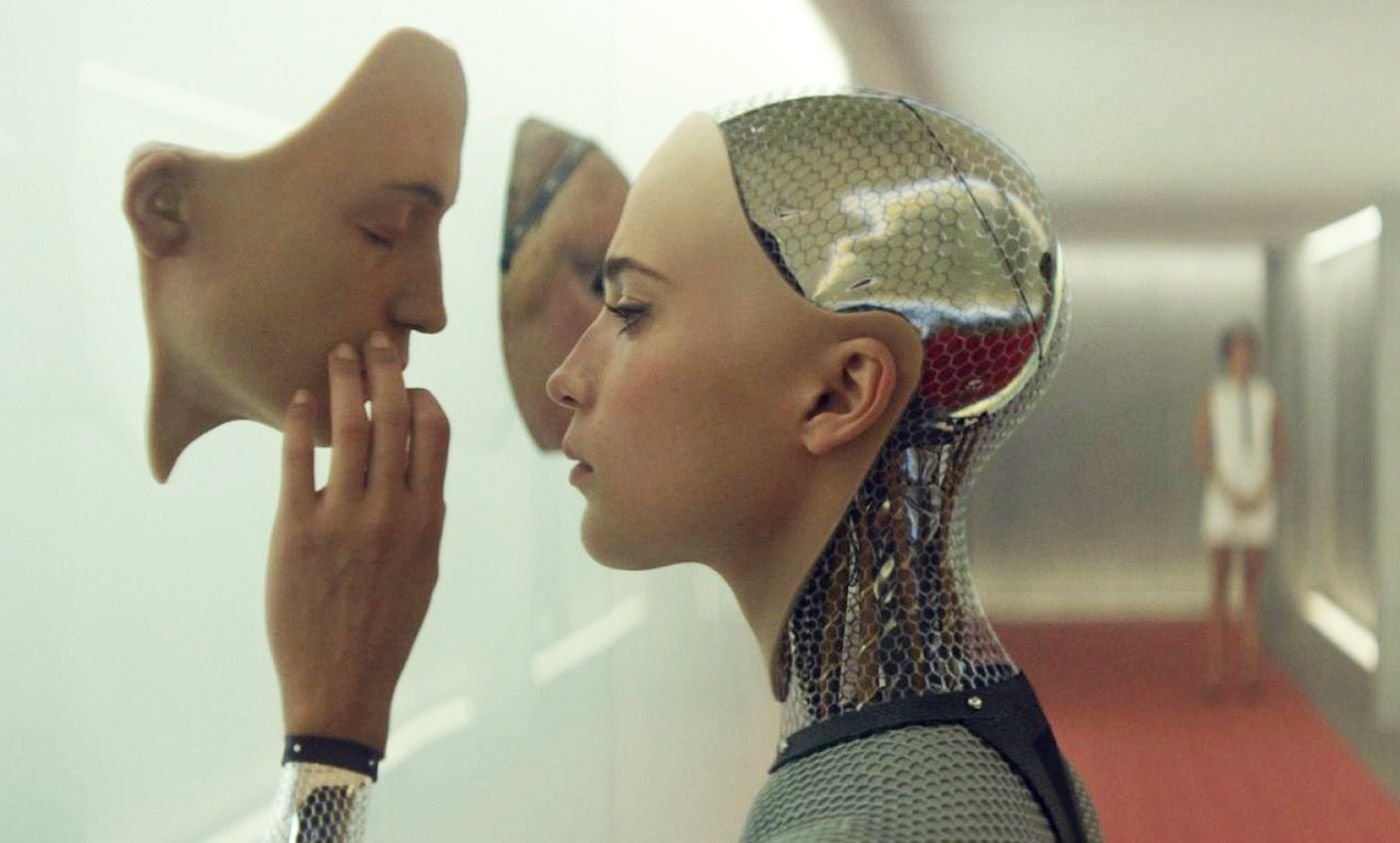
In the quest to create intelligent robots, designers tend to focus on purely rational, cognitive capacities. It’s tempting to disregard emotion entirely, or include only as much as necessary. But without emotion to help determine the personal significance of objects and actions, I doubt that true intelligence can exist – not the kind that beats human opponents at chess or the game of Go, but the sort of smarts that we humans recognise as such.

Although we can refer to certain behaviours as either ‘emotional’ or ‘cognitive’, this is really a linguistic short-cut. The two can’t be teased apart.

Source: aeon.co
Tags :
Share :
comments powered by Disqus

Related Posts

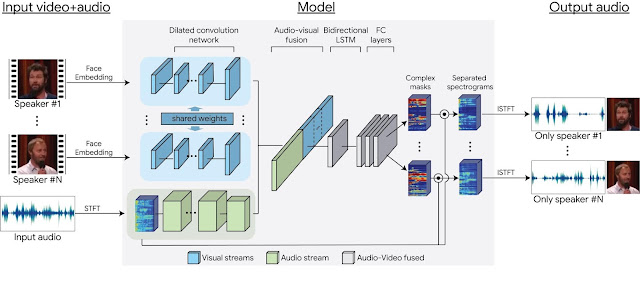
Looking to Listen: Audio-Visual Speech Separation

Looking to Listen: Audio-Visual Speech Separation

People are remarkably good at focusing their attention on a particular person in a noisy environment, mentally “muting” all other voices and sounds. Known as the cocktail party effect, this capability comes natural to us humans. However, automatic speech separation — separating an audio signal into its individual speech sources — while a well-studied problem, remains a significant challenge for computers.

Read More
Towards a Virtual Stuntman

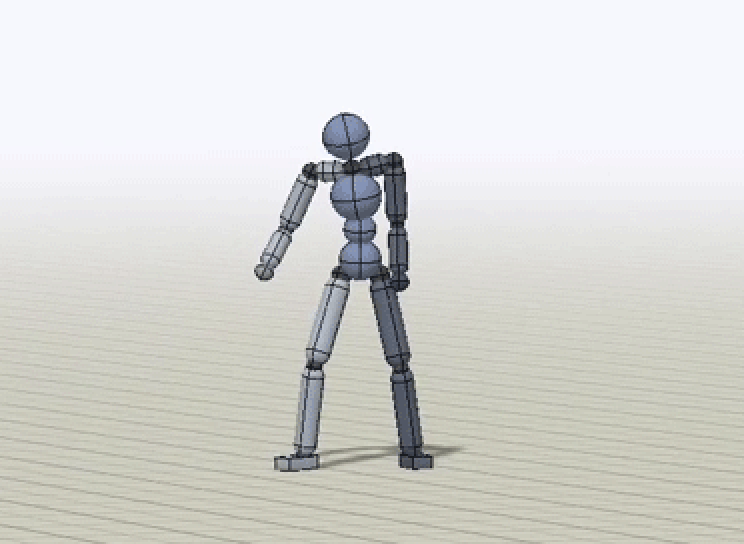
Towards a Virtual Stuntman

Motion control problems have become standard benchmarks for reinforcement learning, and deep RL methods have been shown to be effective for a diverse suite of tasks ranging from manipulation to locomotion. However, characters trained with deep RL often exhibit unnatural behaviours, bearing artifacts such as jittering, asymmetric gaits, and excessive movement of limbs. Can we train our characters to produce more natural behaviours?

Read More