Improved Hubble data provide fresh evidence for new physics

Improved Hubble data provide fresh evidence for new physics

  • April 18, 2018
Table of Contents

Improved Hubble data provide fresh evidence for new physics

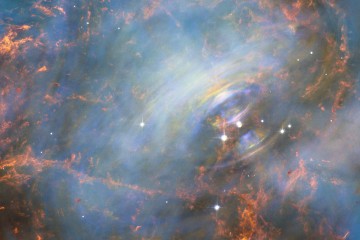
Measurements made by the European Space Agency’s Planck satellite, which maps the cosmic microwave background, predicted that the Hubble constant value should now be 67 kilometers per second per megaparsec (3.3 million light-years), and could be no higher than 69 kilometers per second per megaparsec. This means that for every 3.3 million light-years farther away a galaxy is from us, it is moving 67 kilometers per second faster. But Riess’s team measured a value of 73 kilometers per second per megaparsec, indicating galaxies are moving at a faster rate than implied by observations of the early universe.

Source: jhu.edu
Tags :
Share :
comments powered by Disqus

Related Posts

Rolls-Royce and Boeing invest in UK space engine

Rolls-Royce and Boeing invest in UK space engine

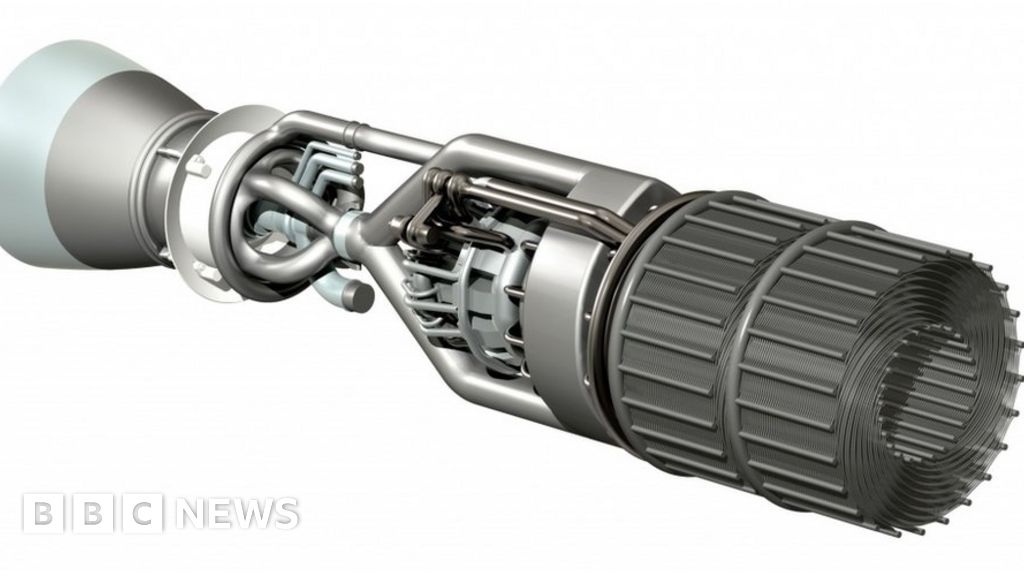
Key technologies include a compact pre-cooler heat-exchanger that can take an incoming airstream of over 1,000C and cool it to -150C in less than 1/100th of a second. This would permit Sabre to use oxygen direct from the atmosphere for combustion instead of carrying it in a tank with the weight penalty that implies.

Read More
Trouble Detected in Infamous Dark Matter Signal

Trouble Detected in Infamous Dark Matter Signal

New results from a decades-old experiment were initially touted as further evidence for dark matter. But independent scientists have cast serious doubt on that claim, leaving most everyone puzzled.

Read More
Watch These Scientists Remotely Operate a Space Garbage Robot

Watch These Scientists Remotely Operate a Space Garbage Robot

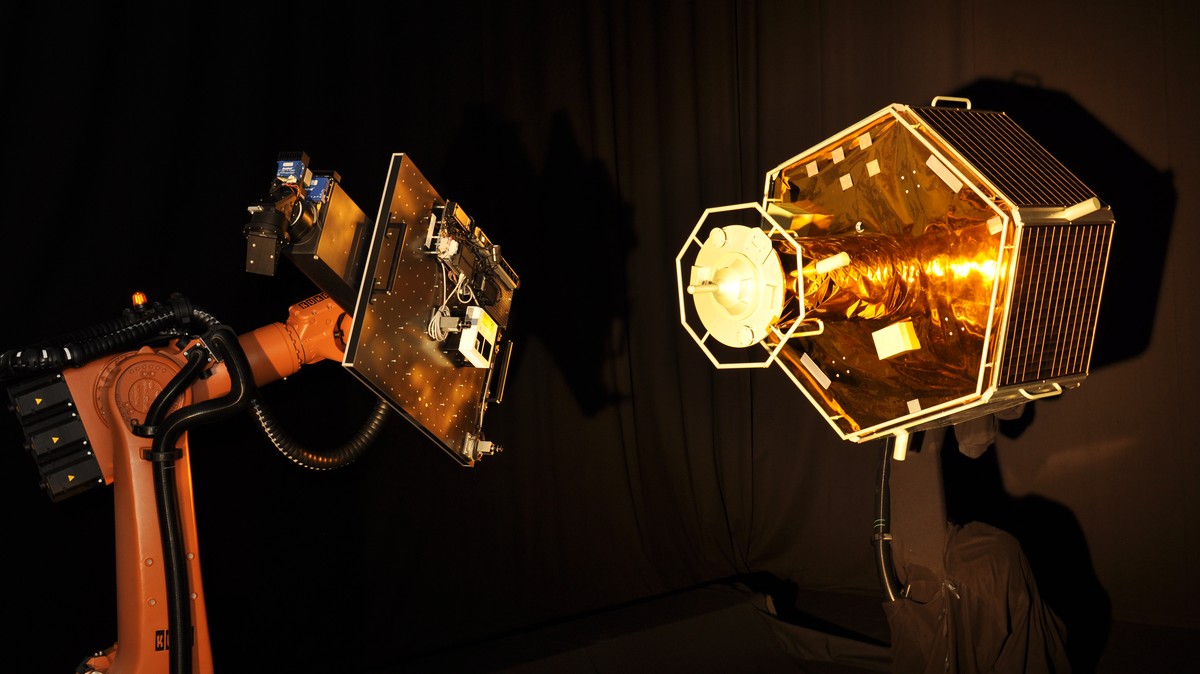
Humans aren’t great at picking up their trash, a fact that is reinforced by the Great Pacific garbage patch and other massive dumps and landfills around the world. As it turns out, we are also taking our talent at producing rubbish into orbit with us. Since the advent of spaceflight in the 1950s, outer space has become congested with about 500,000 bits of spacecraft debris measuring larger than a marble, and 20,000 chunks larger than a softball, according to NASA.

Read More