Blue light like that from smartphones linked to some cancers, study finds

Blue light like that from smartphones linked to some cancers, study finds

  • April 29, 2018
Table of Contents

Blue light like that from smartphones linked to some cancers, study finds

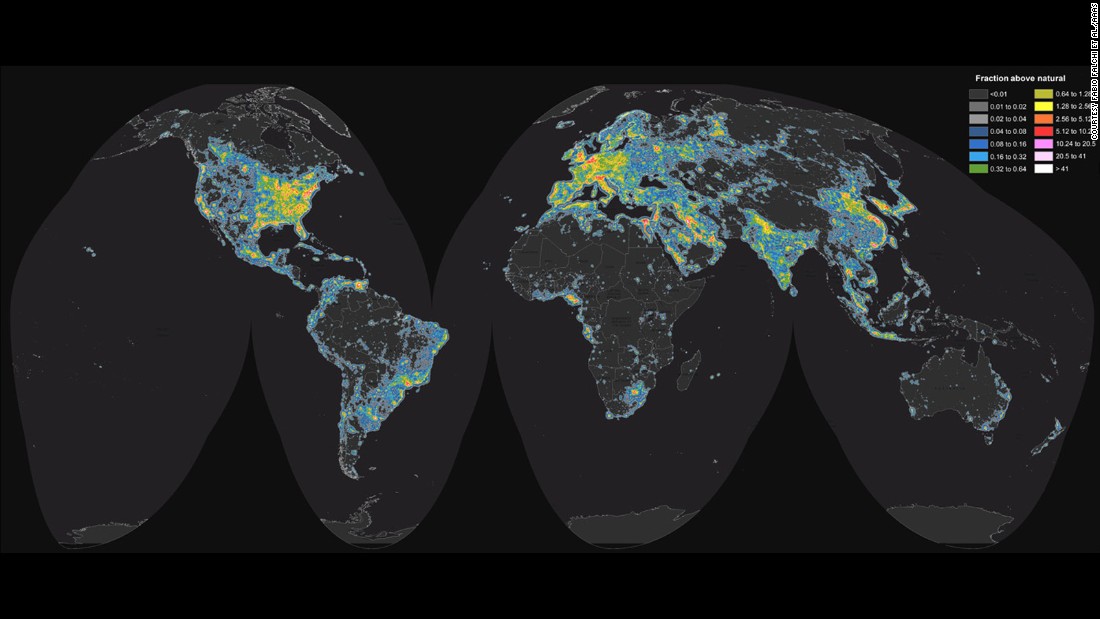
The researchers found that those exposed to high levels of outdoor blue light at night had around a 1.5-fold higher risk of developing breast cancer and a twofold higher risk of developing prostate cancer, compared with those who were less exposed. Men exposed to high levels of indoor artificial light also had 2.8-fold higher risk of developing prostate cancer, according to the study.

Source: cnn.com

Share :
comments powered by Disqus

Related Posts

New form of DNA discovered inside living human cells

New form of DNA discovered inside living human cells

A newDNAstructure inside human cells known asthe “i-motif”, has been identified by scientists. This form resembles a twisted “knot” of DNA, instead of the well-known double helix first described by James Watson and Francis Crick.

Read More
Artificial antimicrobial peptides could help overcome drug-resistant bacteria

Artificial antimicrobial peptides could help overcome drug-resistant bacteria

Researchers at MIT and the Catholic University of Brasilia have now developed a streamlined approach to developing artificial antimicrobial peptides. Their strategy, which relies on a computer algorithm that mimics the natural process of evolution, has yielded one potential drug candidate that successfully killed bacteria in mice.

Read More
An Augmented Reality Microscope for Cancer Detection

An Augmented Reality Microscope for Cancer Detection

Applications of deep learning to medical disciplines including ophthalmology, dermatology, radiology, and pathology have recently shown great promise to increase both the accuracy and availability of high-quality healthcare to patients around the world. At Google, we have also published results showing that a convolutional neural network is able to detect breast cancer metastases in lymph nodes at a level of accuracy comparable to a trained pathologist. However, because direct tissue visualization using a compound light microscope remains the predominant means by which a pathologist diagnoses illness, a critical barrier to the widespread adoption of deep learning in pathology is the dependence on having a digital representation of the microscopic tissue.

Read More