Particle Physics Resurrects Alexander Graham Bell’s Voice

Particle Physics Resurrects Alexander Graham Bell’s Voice

  • May 3, 2018
Table of Contents

Particle Physics Resurrects Alexander Graham Bell’s Voice

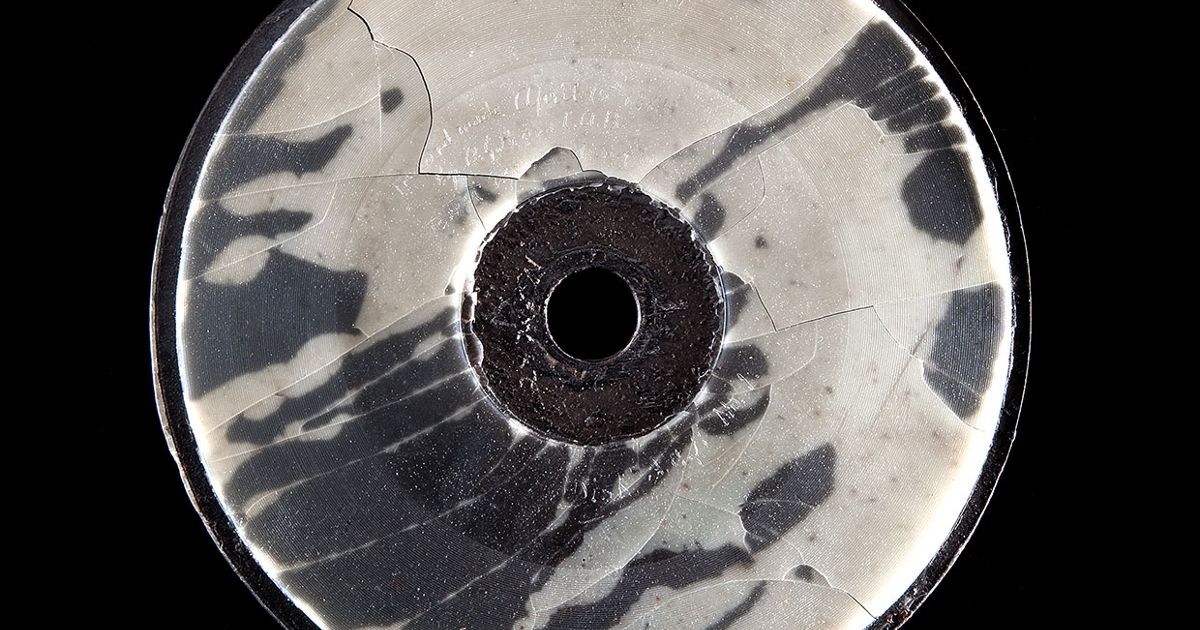
In 1880, Alexander Graham Bell decided to go head-to-head with Thomas Edison. His goal: improving—and commercializing—the phonograph. Bell established the Volta Laboratory in Washington, D.C., using prize money he’d received from the French government for his invention of the telephone.

He hired his cousin, chemist Chichester Bell, and instrument maker Charles Sumner Tainter. Collectively known as the Volta Laboratory Associates, the three men spent the next five years researching the transmission and recording of sound.

Source: ieee.org
Tags :
Share :
comments powered by Disqus

Related Posts

Clouds of atoms, vibrating mirrors show their quantum side

Clouds of atoms, vibrating mirrors show their quantum side

To say the quantum world is unintuitive is a staggering understatement. Particles end up in more than one place at a time, and the instances interact with each other. Decisions made after a photon has traversed an obstacle course determine the path it took through it.

Read More
Another Side of Feynman

Another Side of Feynman

Yesterday I went for a long walk in the spring sunshine with Trudy Eyges and Richard Feynman. Feynman is the young American professor, half genius and half buffoon, who keeps all physicists and their children amused with his effervescent vitality. He has, however, as I have recently learned, a great deal more to him than that, and you may be interested in his story.

Read More