Early thoughts on Uber’s flying car from an aviation engineer

Early thoughts on Uber’s flying car from an aviation engineer

  • May 9, 2018
Table of Contents

Early thoughts on Uber’s flying car from an aviation engineer

Earlier today I was reading about Uber’s newest unveiling of their concept for a flying taxi and I love it. It’s an electrically powered, multi-rotor plane with two rotors for vertical flight and one for horizontal flight. This is reminiscent of the V-22 Osprey tilt-rotor, where the propellers transition from vertical flight to horizontal – the difference being Uber’s rotors are fixed.

This has the potential to reduce some maintenance by reducing moving parts, but you’re also adding a lot of weight which reduces the carrying capacity. Flying cars are an AMAZING idea. But what most people don’t think about, because why would they, is if you want to fly that car you’re going to need your pilot’s license.

If you want to fly that car and get paid for your time? Make that a commercial pilot’s license. “What’s the difference?”

Oh-ho-ho, but it is. A private pilot’s license takes a minimum of 40 hours of flying time, a commercial pilot’s license takes 250 hours, at a minimum. So not only do your UberAir

(can I call it UbAir – pronounced oo-bear; similar to how you may think the French pronounce Uber) pilots need to have time to get certified, but also the money, because flying lessons are expensive. There’s already a shortage of commercial pilots out there, even the U.S. Air Force is facing a shortage.

Source: wordpress.com

Share :
comments powered by Disqus

Related Posts

Rethinking GPS: Engineering Next-Gen Location at Uber

Rethinking GPS: Engineering Next-Gen Location at Uber

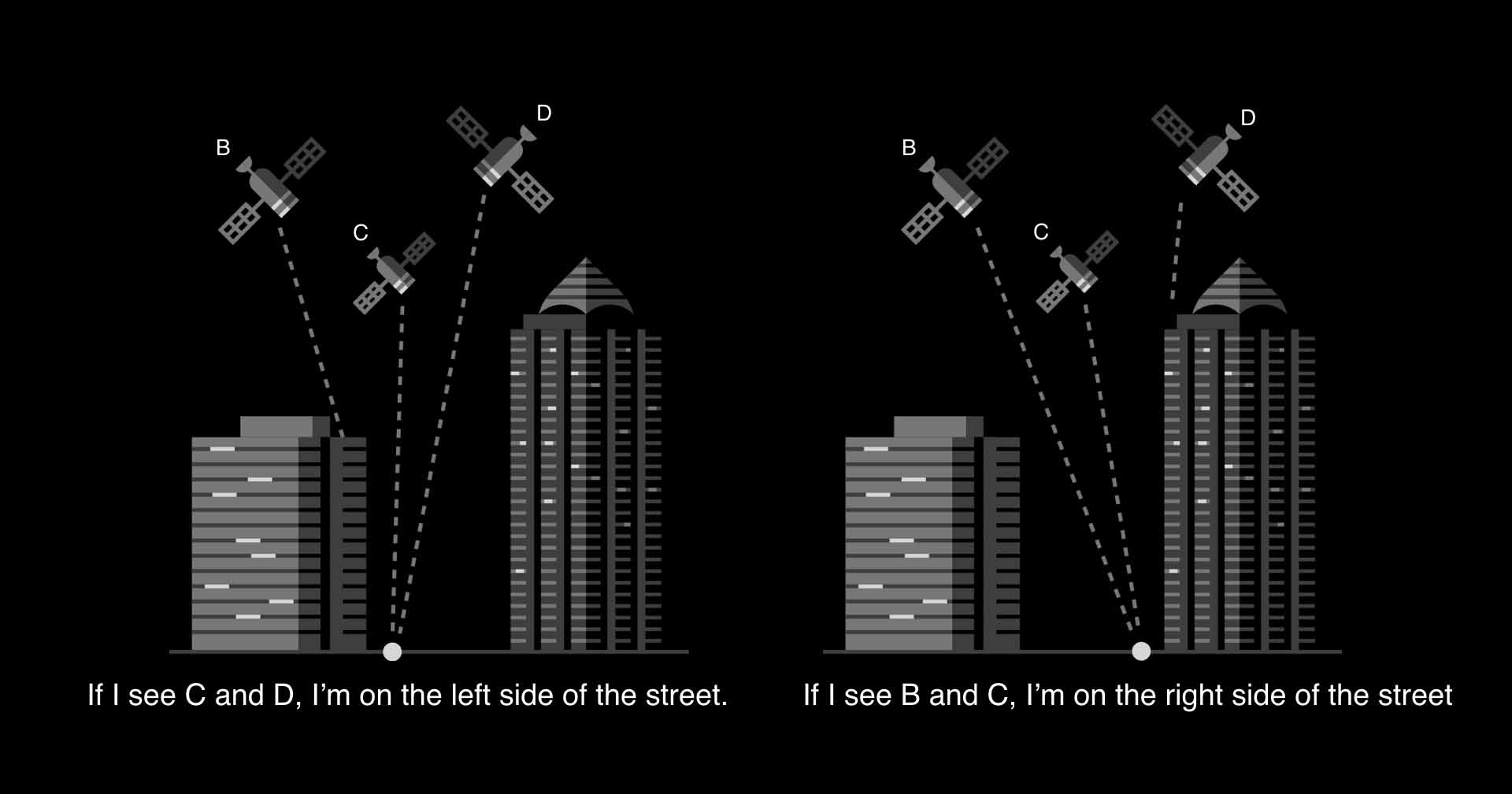
Location and navigation using global positioning systems (GPS) is deeply embedded in our daily lives, and is particularly crucial to Uber’s services. To orchestrate quick, efficient pickups, our GPS technologies need to know the locations of matched riders and drivers, as well as provide navigation guidance from a driver’s current location to where the rider needs to be picked up, and then, to the rider’s chosen destination. For this process to work seamlessly, the location estimates for riders and drivers need to be as precise as possible.

Read More
Europe Takes First Steps in Electrifying World’s Shipping Fleets

Europe Takes First Steps in Electrifying World’s Shipping Fleets

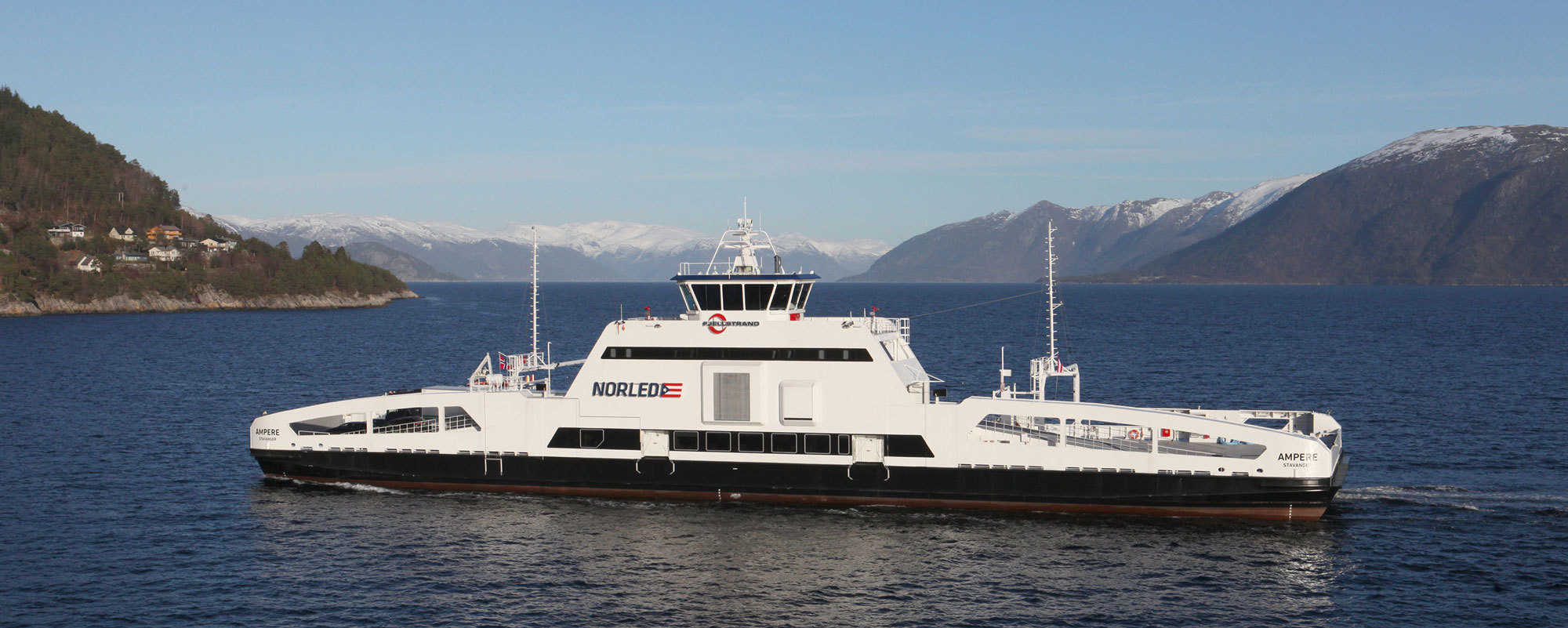
Norway is already a global leader in the adoption of electric vehicles, spurred in large measure by the hydropower that provides 98 percent of the country’ electricity. So moving into the forefront of tackling a major global environmental challenge — decarbonizing the world’s shipping fleet — was a natural step for the country. Other nations — including Finland, the Netherlands, China, Denmark, and Sweden — also are beginning to launch electric ships.

Read More