Scientists Want to Study Exoplanet Atmospheres For Signs of Alien Life

Scientists Want to Study Exoplanet Atmospheres For Signs of Alien Life

  • May 10, 2018
Table of Contents

Scientists Want to Study Exoplanet Atmospheres For Signs of Alien Life

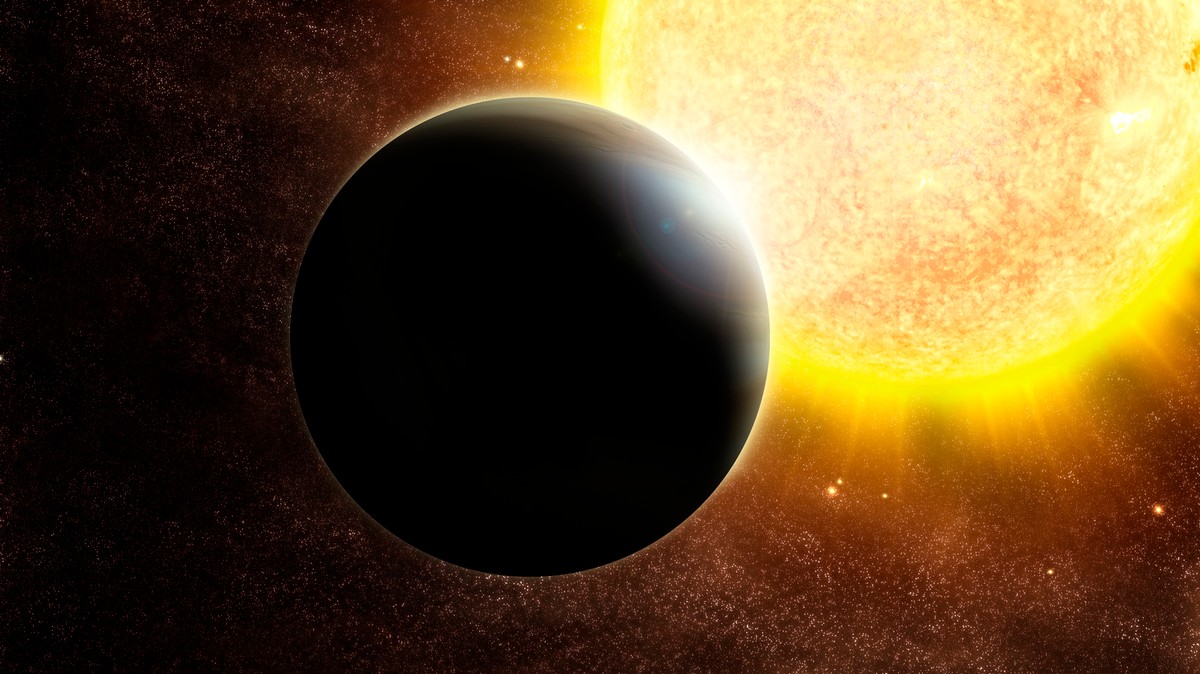
Most exoplanet hunting telescopes are only able to tell basic things about a planet like its mass or distance from its host star, but a new generation of exoplanet telescopes like PLATO promise to reveal their subjects detail, including the composition of their atmospheres. The question, then, is what sorts of atmospheric markers would indicate the presence of extraterrestrial life? In a new paper published Wednesday in Astrophysical Journal Letters, University of California-Riverside planetary scientist Stephanie Olson outlined a dynamic framework for detecting life based on how the composition of exoplanet atmospheres change during the seasons.

The model is based on Earth’s own atmospheric seasons, which change as the Earth rotates on its axis. For example, during the summer the composition of the northern hemisphere’s atmosphere shows a marked rise in oxygen and a corresponding decrease in carbon dioxide because of all the plant growth. Olson argues that similar signatures could reveal the presence of life on other planets.

Source: vice.com

Tags :
Share :
comments powered by Disqus

Related Posts

Mining in Space Could Lead to Conflicts on Earth

Mining in Space Could Lead to Conflicts on Earth

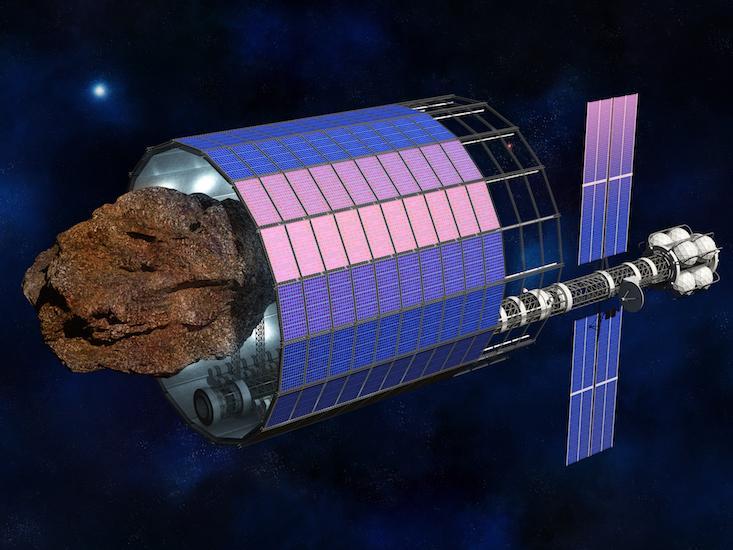
Space mining is no longer science fiction. By the 2020s, Planetary Resources and Deep Space Industries—for-profit space-mining companies cooperating with NASA—will be sending out swarms of tiny satellites to assess the composition of hurtling hunks of cosmic debris, identify the most lucrative ones, and harvest them. They’ve already developed prototype spacecraft to do the job.

Read More
NASA’s Orion spacecraft getting closer to finally flying again

NASA’s Orion spacecraft getting closer to finally flying again

It has been a long three-and-a-half years since the Orion spacecraft first launched into space in December 2014, making a successful shake-out flight. But now, NASA’s program aimed at building a large, deep-space capsule capable of sending astronauts to and from lunar orbit is finally ramping back up toward a series of test flights. In less than a year, a boilerplate model of the Orion spacecraft will be jettisoned from its rocket at 55 seconds after liftoff, to test the vehicle’s launch abort system.

Read More