Watch These Trippy NASA Visualizations of Space Magnetism

Watch These Trippy NASA Visualizations of Space Magnetism

  • May 10, 2018
Table of Contents

Watch These Trippy NASA Visualizations of Space Magnetism

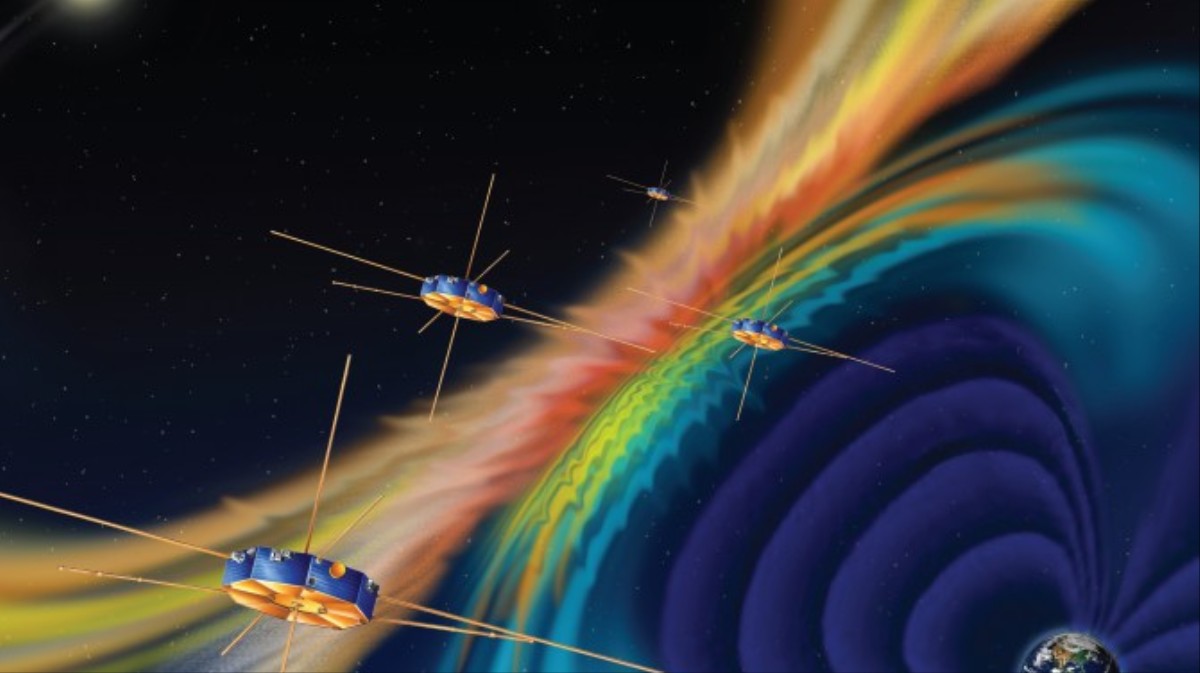
Earth is a giant magnet, and the field that surrounds it, called the magnetosphere, is one of the major reasons life on our planet has been able to flourish. But despite its crucial role in warding off cosmic radiation and atmospheric loss, there’s a lot we don’t know about the magnetosphere. That’s why in March 2015, NASA launched the Magnetospheric Multiscale Mission (MMS), a fleet of four spacecraft, to study its secrets.

The quartet is living up to that mandate, because it has now witnessed a never-before-seen event—magnetic reconnection, which is the energetic “snap” of crossed magnetic field lines, in the magnetosheath, a turbulent environment located tens of thousands of miles from Earth. Described in a paper published on Wednesday in Nature, the discovery may not sound esoteric, but it is an instrumental step to untangling the mysteries of magnetism on our home world.

Source: vice.com

Share :
comments powered by Disqus

Related Posts

Yale physicists find signs of a time crystal

Yale physicists find signs of a time crystal

Time crystals, first identified in 2016, are different. Their atoms spin periodically, first in one direction and then in another, as a pulsating force is used to flip them. That’s the “ticking.”

Read More
NASA’s Launching a Lander That Will Dig on Mars

NASA’s Launching a Lander That Will Dig on Mars

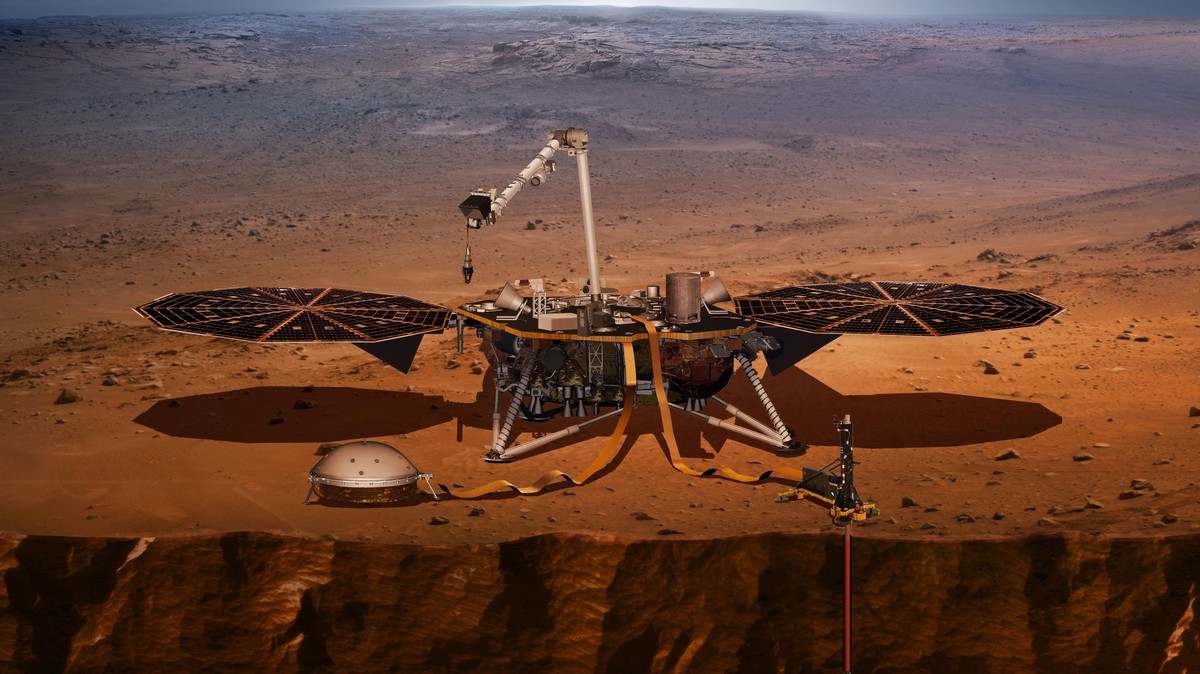
InSight will accomplish this feat with its Heat Flow and Physical Properties Package (HP3), nicknamed “the mole” because it can burrow through regolith (the loose rocky surface layer on Mars and many other terrestrial planets). The instrument consists of a tube with a spring-loaded mechanism that will hammer out a hole in half-meter increments. Every 50 centimeters, it will stop for several hours or days to take thermal measurements and cool down from the frictional and operational heat generated by the dig process.

Read More