Self-repairing organs could save your life in a heartbeat

Self-repairing organs could save your life in a heartbeat

  • May 13, 2018
Table of Contents

Self-repairing organs could save your life in a heartbeat

WHAT becomes of the broken-hearted? In cardiac medicine, the answer is usually brutally straightforward: they die. Heart disease is the leading cause of death worldwide and there is often precious little we can do about it.

Pacemakers bring some relief and transplants work, but there are nowhere near enough donated hearts to go around. And unlike skin and liver cells, heart muscle cells can’t remake themselves. Once they get damaged or die, they are gone forever.

Lab-grown stem cells, once the great hope for mending hearts, have disappointed. But over the past few years, cell biologists have been quietly exploring an alternative approach. Rather than growing cells in a dish and transplanting them, they want to switch their identities inside the body, so that we can heal ourselves from within.

That might sound rather fanciful. But cells are proving more malleable than we ever imagined, and now plans are being drawn up for the first human clinical trials to see if we can repair damaged hearts this way. If we can perfect the tricks needed to safely switch cell identity in situ – and it is a big if – we should be able to repair tissues ravaged by all sorts of conditions, from diabetes to dementia.

Source: newscientist.com
Share :
comments powered by Disqus

Related Posts

Treadmills Were Meant to Be Atonement Machines

Treadmills Were Meant to Be Atonement Machines

If you are one of the 51.8 million people in the U.S. who use a treadmill for exercise, you know there’s much pain for your muscle-and-fitness gain. On your next 30-minute jog, as you count down the final seconds, ponder whether the hard work made you a better person. Consider whether the workout would feel different if you had powered something, even a fan to cool yourself off.

Read More
‘Double Trojan Horse’ Drug Tricks Bacteria into Committing Suicide

‘Double Trojan Horse’ Drug Tricks Bacteria into Committing Suicide

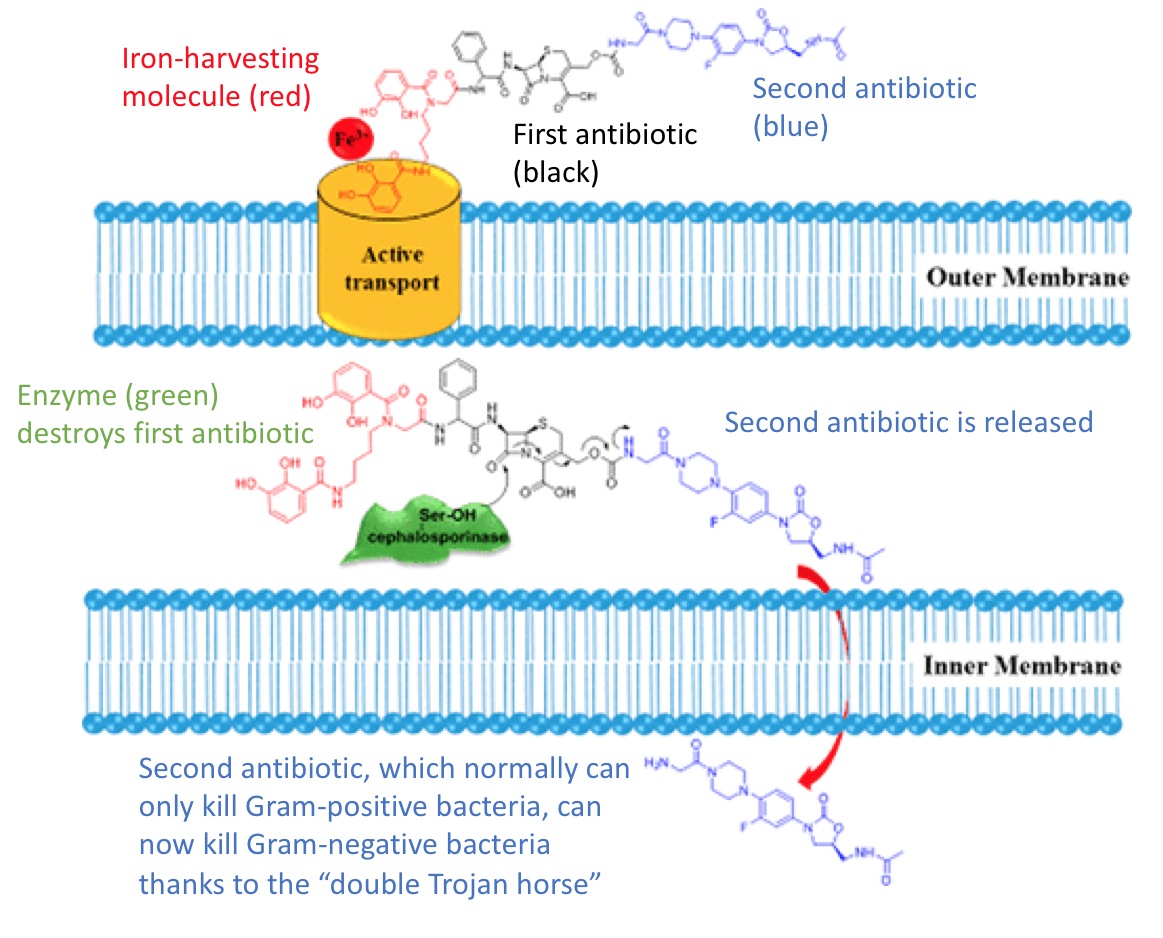
Bacteria come in two very broad categories based on the structure of their cell walls, the outer region that gives the cells shape and integrity. The cell walls of Gram-positive bacteria consist of a membrane surrounded by a thick layer of sugar and protein, while the cell walls of Gram-negative bacteria consist of a membrane surrounded by a second membrane. This fundamental anatomical difference has a profound medical implication: The types of antibiotics that can kill Gram-positive bacteria are likely ineffective against Gram-negative bacteria and vice versa.

Read More