Tensor Compilers: Comparing PlaidML, Tensor Comprehensions, and TVM

Tensor Compilers: Comparing PlaidML, Tensor Comprehensions, and TVM

  • May 21, 2018
Table of Contents

Tensor Compilers: Comparing PlaidML, Tensor Comprehensions, and TVM

One of the most complex and performance critical parts of any machine learning framework is its support for device specific acceleration. Indeed, without efficient GPU acceleration, much of modern ML research and deployment would not be possible. This acceleration support is also a critical bottleneck, both in terms of adding support for a wider range of hardware targets (including mobile) as well as for writing new research kernels.

Much of NVIDIA’s dominance in machine learning can be attributed to its greater level of software support, largely in the form of the cuDNN acceleration library. We wrote PlaidML to overcome this bottleneck.

PlaidML is capable of automatically generating efficient GPU acceleration kernels for a wide range of hardware for both existing machine learning operations and new research kernels. Because writing a kernel is a complex process, GPU kernels have typically been written by hand.

Along with PlaidML, two additional projects, Tensor Comprehensions and TVM, are attempting to change this paradigm. Tensor Comprehensions makes the point about the importance of these technologies in their very well written announcement.

Source: vertex.ai
Tags :
Share :
comments powered by Disqus

Related Posts

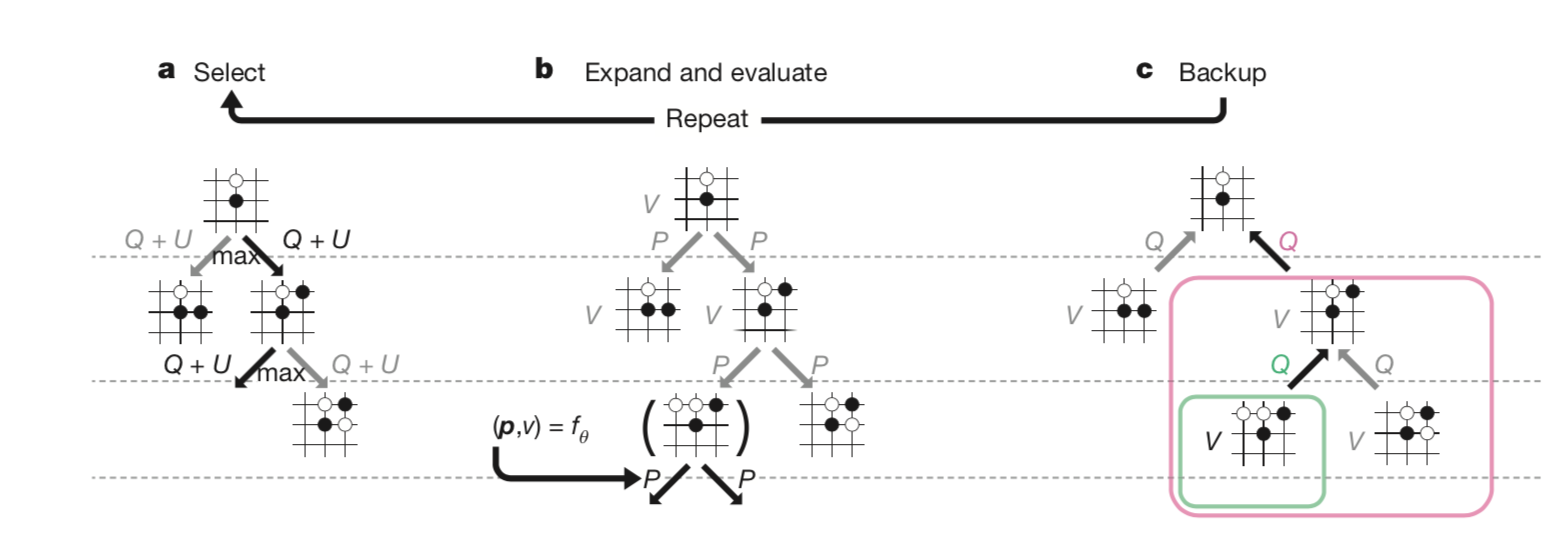
A Deep Dive into Monte Carlo Tree Search

A Deep Dive into Monte Carlo Tree Search

The very first Go AIs used multiple modules to handle each aspect of playing Go – life and death, capturing races, opening theory, endgame theory, and so on. The idea was that by having experts program each module using heuristics, the AI would become an expert in all areas of the game. All that came to a grinding halt with the introduction of Monte Carlo Tree Search (MCTS) around 2008.

Read More
AI and Compute

AI and Compute

We’re releasing an analysis showing that since 2012, the amount of compute used in the largest AI training runs has been increasing exponentially with a 3.5 month-doubling time (by comparison, Moore’s Law had an 18-month doubling period). Since 2012, this metric has grown by more than 300,000x (an 18-month doubling period would yield only a 12x increase). Improvements in compute have been a key component of AI progress, so as long as this trend continues, it’s worth preparing for the implications of systems far outside today’s capabilities.

Read More