Growing the Data Visualization Community with deck.gl v5

Growing the Data Visualization Community with deck.gl v5

  • May 26, 2018
Table of Contents

Growing the Data Visualization Community with deck.gl v5

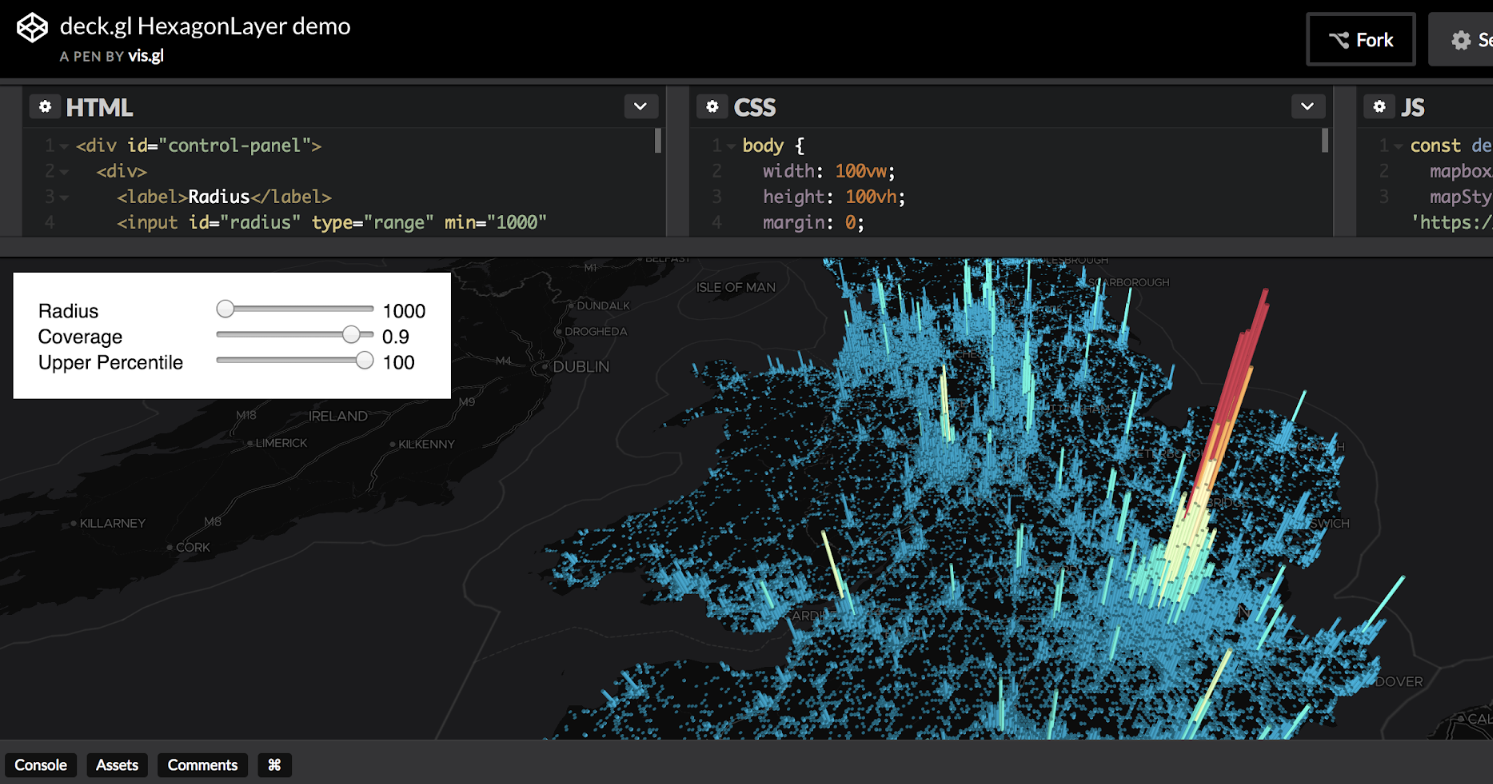
Today, the Uber Visualization team open sourced deck.gl 5.3, the final deck.gl v5 release of our data visualization software. The v5 releases represent a major effort devoted to making deck.gl easier to use than ever before, and we hope that by sharing the story behind these improvements, we can get users excited to try out deck.gl v5’s new simplified APIs and features. While a lot of code required modification, the most important part of making deck.gl independent from React was deciding how the new non-React-based API should look.

We wanted the React, Javascript, and scripting APIs to be as similar as possible, so we settled on a “One API” philosophy, meaning that, with some few differences in how the API is initialized, almost all classes and properties have the same name and semantics across versions.

Source: uber.com
Tags :
Share :
comments powered by Disqus

Related Posts

Open-sourcing gVisor, a sandboxed container runtime

Open-sourcing gVisor, a sandboxed container runtime

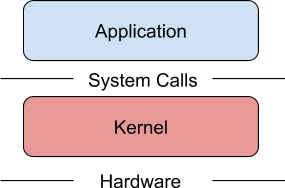
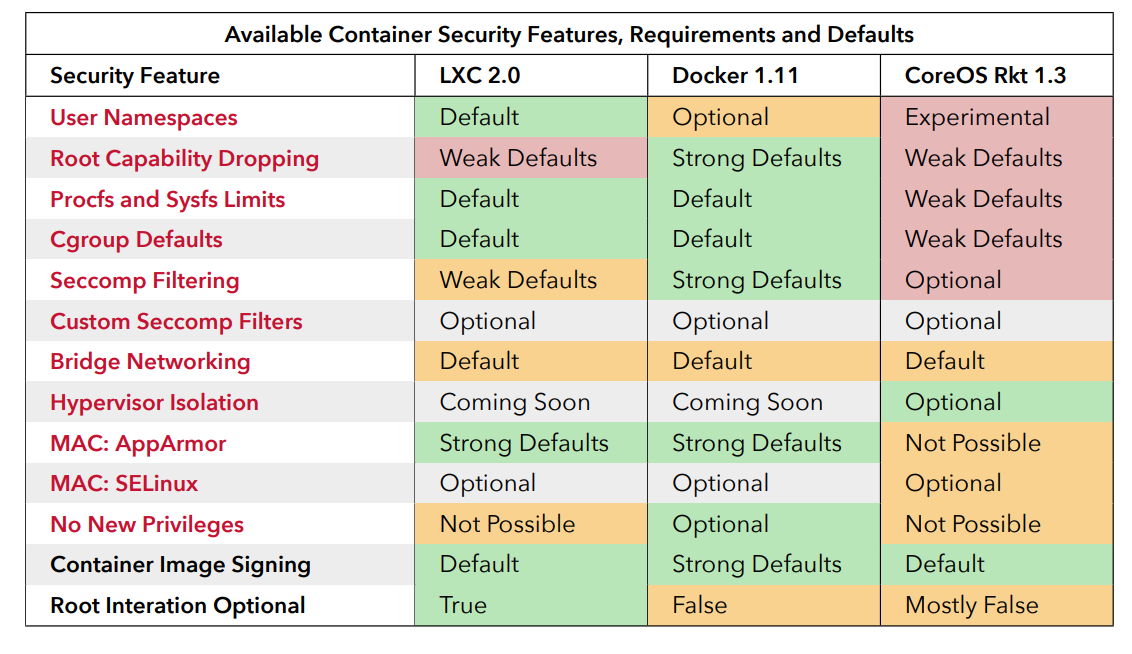
Containers have revolutionized how we develop, package, and deploy applications. However, the system surface exposed to containers is broad enough that many security experts don’t recommend them for running untrusted or potentially malicious applications. A growing desire to run more heterogenous and less trusted workloads has created a new interest in sandboxed containers—containers that help provide a secure isolation boundary between the host OS and the application running inside the container.

Read More
Introducing Git protocol version 2

Introducing Git protocol version 2

Today we announce Git protocol version 2, a major update of Git’s wire protocol (how clones, fetches and pushes are communicated between clients and servers). This update removes one of the most inefficient parts of the Git protocol and fixes an extensibility bottleneck, unblocking the path to more wire protocol improvements in the future. The main motivation for the new protocol was to enable server side filtering of references (branches and tags).

Read More