Growing the Data Visualization Community with deck.gl v5

Growing the Data Visualization Community with deck.gl v5

  • May 26, 2018
Table of Contents

Growing the Data Visualization Community with deck.gl v5

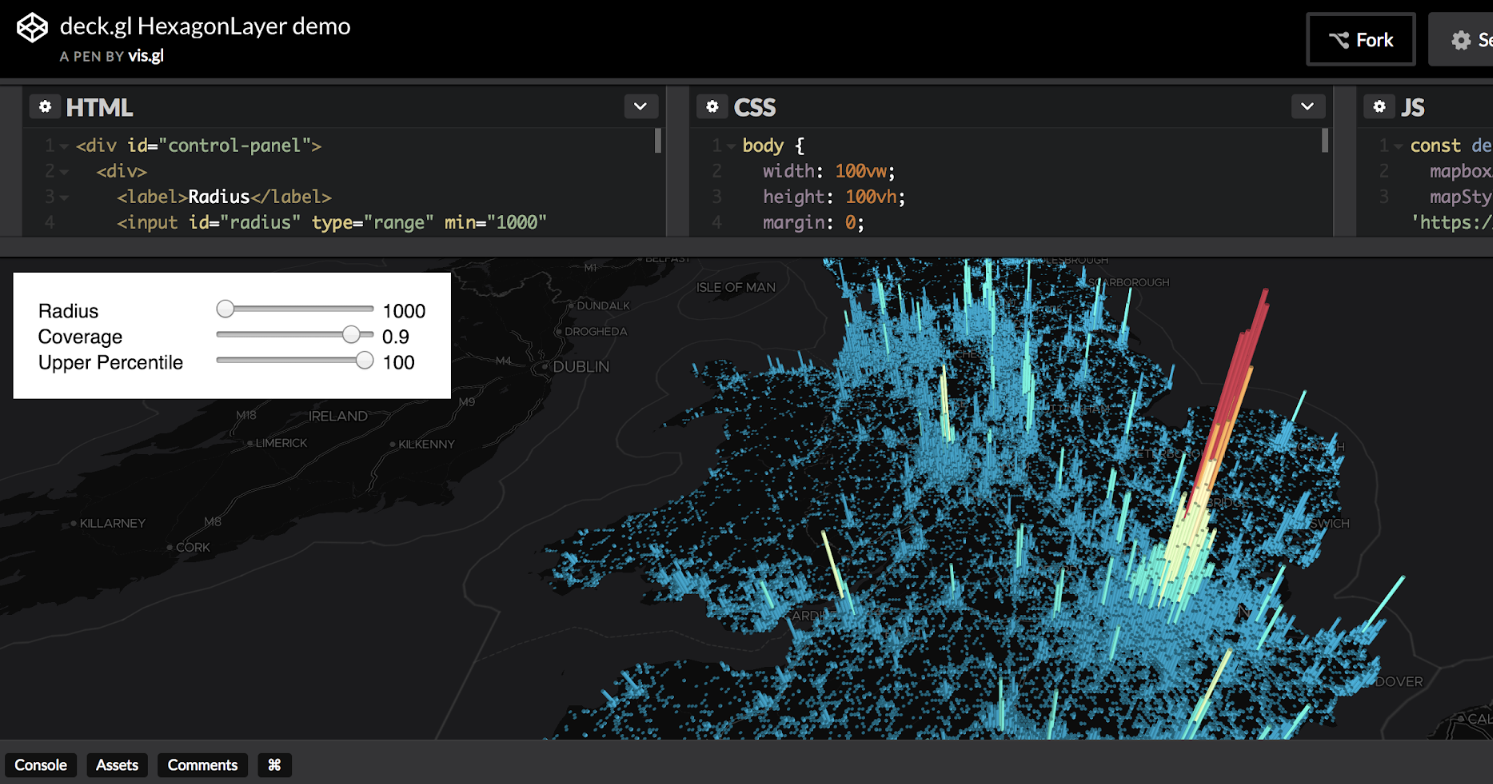
Today, the Uber Visualization team open sourced deck.gl 5.3, the final deck.gl v5 release of our data visualization software. The v5 releases represent a major effort devoted to making deck.gl easier to use than ever before, and we hope that by sharing the story behind these improvements, we can get users excited to try out deck.gl v5’s new simplified APIs and features. While a lot of code required modification, the most important part of making deck.gl independent from React was deciding how the new non-React-based API should look.

We wanted the React, Javascript, and scripting APIs to be as similar as possible, so we settled on a “One API” philosophy, meaning that, with some few differences in how the API is initialized, almost all classes and properties have the same name and semantics across versions.

Source: uber.com
Tags :
Share :
comments powered by Disqus

Related Posts

Containers, Security and Echo chambers

Containers, Security and Echo chambers

There seems to be some confusion around sandboxing containers as of late, mostly because of the recent launch of gvisor. Before I get into the body of this post I would like to make one thing clear. I have no problem with gvisor itself.

Read More
Introducing Thanos: Prometheus at Scale

Introducing Thanos: Prometheus at Scale

Prometheus’s simple and reliable operational model is one of its major selling points. However, past a certain scale, we’ve identified a few shortcomings. To resolve those, we’re today officially announcing Thanos, an open source project by Improbable to seamlessly transform existing Prometheus deployments in clusters around the world into a unified monitoring system with unbounded historical data storage.

Read More
Gardener: Manage Kubernetes clusters across multiple cloud providers

Gardener: Manage Kubernetes clusters across multiple cloud providers

Many Open Source tools exist which help in creating and updating single Kubernetes clusters. However, the more clusters you need the harder it becomes to operate, monitor, manage and keep all of them alive and up-to-date. And that is exactly what project Gardener focuses on.

Read More