Introducing kepler.gl, Uber’s Open Source Geospatial Toolbox

Introducing kepler.gl, Uber’s Open Source Geospatial Toolbox

  • June 2, 2018
Table of Contents

Introducing kepler.gl, Uber’s Open Source Geospatial Toolbox

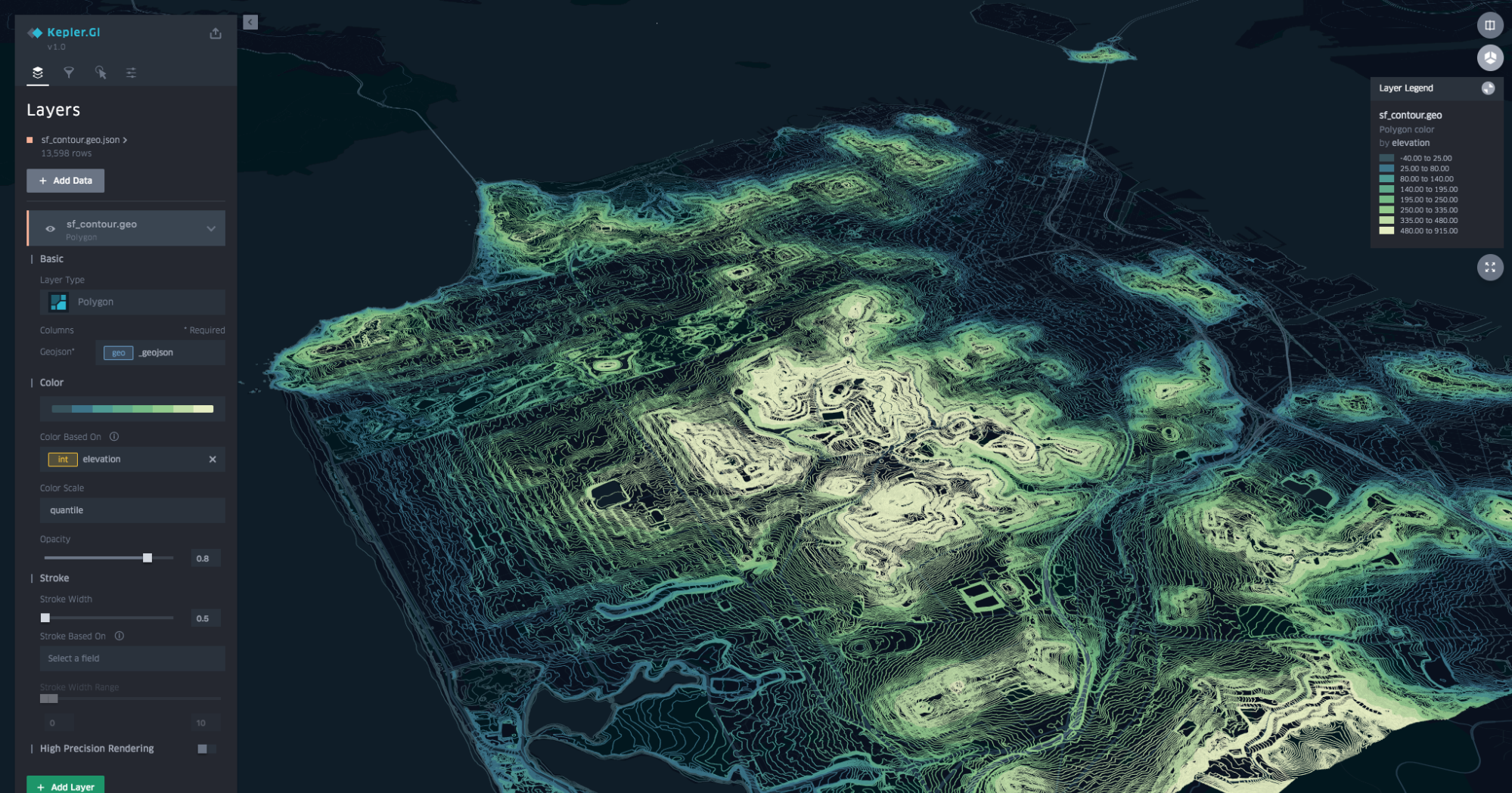
Created by Uber’s Visualization team, kepler.gl is an open source data agnostic, high-performance web-based application for large-scale geospatial visualizations. At Uber, we leverage data visualization to better understand how our cities move. Our solutions enable us to embed maps with rich location data, render millions of GPS points in the blink of an eye, and, most importantly, derive insights from them.

No matter the frameworks or tools used, creating interactive visualizations follows a similar process: data collection, data processing, visualization exploration via web-based tools such as QGIS, Carto, and Mapbox Studio, and then porting the visualizations into Javascript with React, D3.js, and Three.js to build prototypes. Not only is the process tedious, but it may or may not reap useful visualizations. In many cases, there are more visualization ideas than there is time and people to make them.

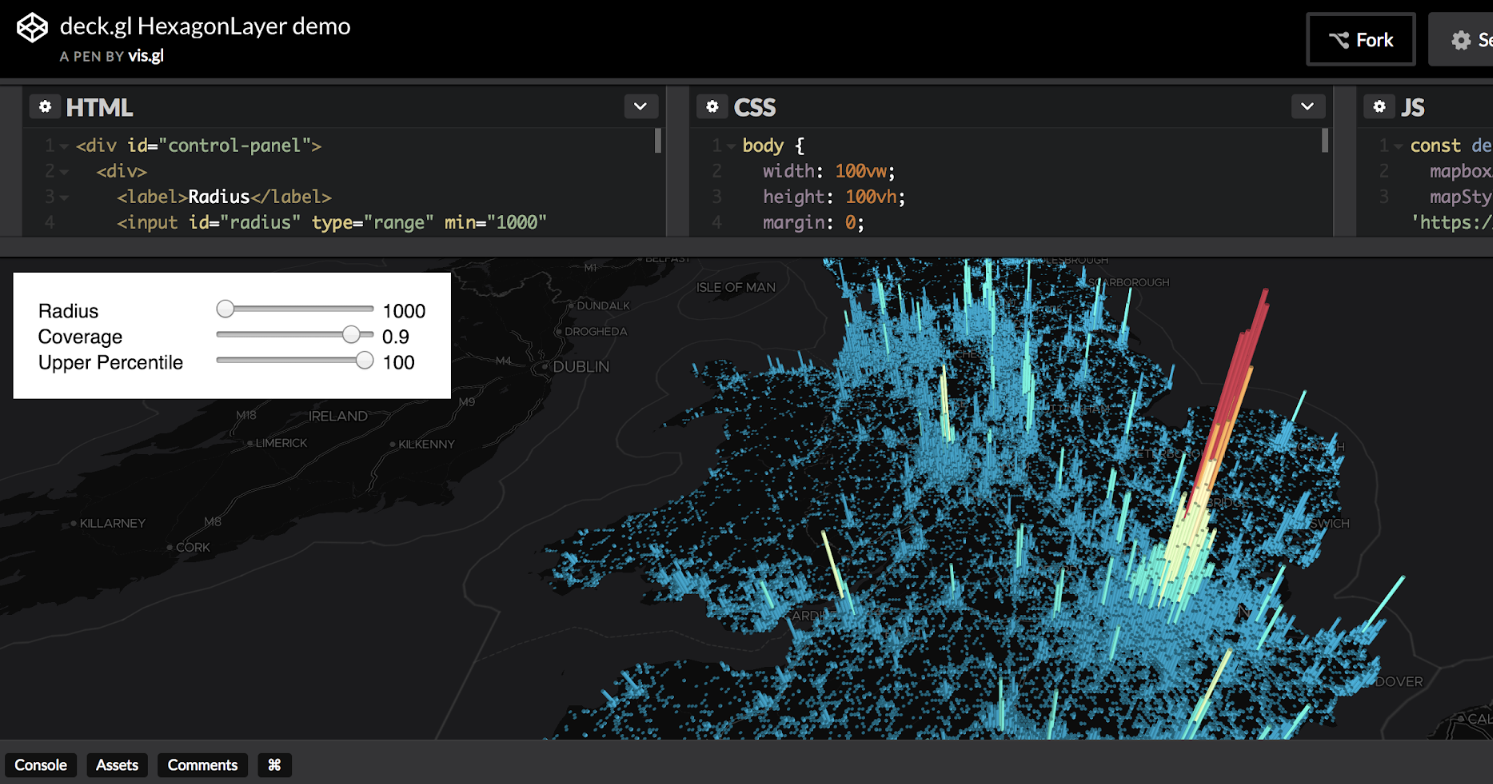
To make it easier for users with a variety of experience and skill levels to create meaningful data visualizations, we are proud to announce the launch of kepler.gl, our open source geoanalytics tool. Built on top of the deck.gl WebGL data visualization framework, kepler.gl scales the map creation process by quickly gaining insights and validating visualization ideas from geospatial data. WebGL data visualization framework, kepler.gl scales the map creation process by quickly gaining insights and validating visualization ideas from geospatial data.

Source: uber.com
Tags :
Share :
comments powered by Disqus

Related Posts

Introducing Thanos: Prometheus at Scale

Introducing Thanos: Prometheus at Scale

Prometheus’s simple and reliable operational model is one of its major selling points. However, past a certain scale, we’ve identified a few shortcomings. To resolve those, we’re today officially announcing Thanos, an open source project by Improbable to seamlessly transform existing Prometheus deployments in clusters around the world into a unified monitoring system with unbounded historical data storage.

Read More
Gardener: Manage Kubernetes clusters across multiple cloud providers

Gardener: Manage Kubernetes clusters across multiple cloud providers

Many Open Source tools exist which help in creating and updating single Kubernetes clusters. However, the more clusters you need the harder it becomes to operate, monitor, manage and keep all of them alive and up-to-date. And that is exactly what project Gardener focuses on.

Read More
Growing the Data Visualization Community with deck.gl v5

Growing the Data Visualization Community with deck.gl v5

Today, the Uber Visualization team open sourced deck.gl 5.3, the final deck.gl v5 release of our data visualization software. The v5 releases represent a major effort devoted to making deck.gl easier to use than ever before, and we hope that by sharing the story behind these improvements, we can get users excited to try out deck.gl v5’s new simplified APIs and features. While a lot of code required modification, the most important part of making deck.gl independent from React was deciding how the new non-React-based API should look.

Read More