Finally, scientists have found intriguing organic molecules on Mars

Finally, scientists have found intriguing organic molecules on Mars

  • June 8, 2018
Table of Contents

Finally, scientists have found intriguing organic molecules on Mars

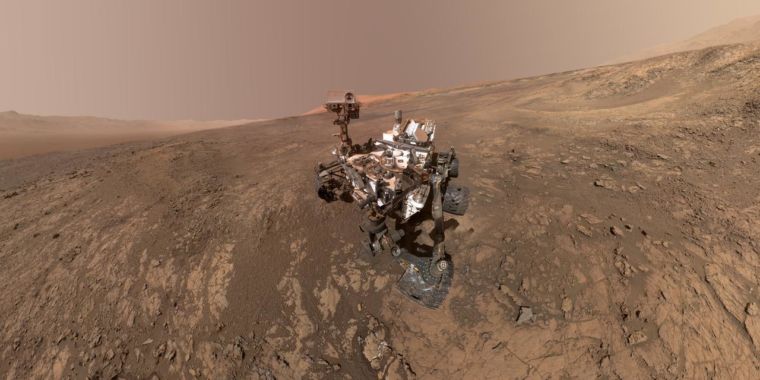
After more than four decades of searching for organic molecules on the surface of Mars, scientists have conclusively found them in mudstones on the lower slopes of Mount Sharp. A variety of organic compounds were discovered by NASA’s Curiosity rover, which heated the Martian rocks to 500° Celsius to release the chemicals. The finding is significant—for life to have ever existed on Mars there would almost certainly need to be organic molecules to get it started; they’re the basic building blocks of life as we know it.

And if life did get started, it would have left organic molecules behind. However the confirmation of organics on Mars raises more questions than it answers. Based upon the information scientists have gleaned so far, they cannot determine whether these organics were produced by life, delivered to the surface of Mars by meteorites, or are the byproduct of geological processes on Mars.

Scientists still aren’t entirely sure why they found no organics on Mars at the time, but it’s probably because the Viking spacecraft touched down in a place where the surface materials they scooped up were essentially little bits and pieces of volcanic rock that had been blowing around on the surface for who knows how long. Although scientists expected to at least find bits of organics delivered to the surface by meteors, the harsh radiation on the Martian surface would have destroyed anything but the most recent arrivals.

Source: arstechnica.com

Share :
comments powered by Disqus

Related Posts

NASA’s Launching a Lander That Will Dig on Mars

NASA’s Launching a Lander That Will Dig on Mars

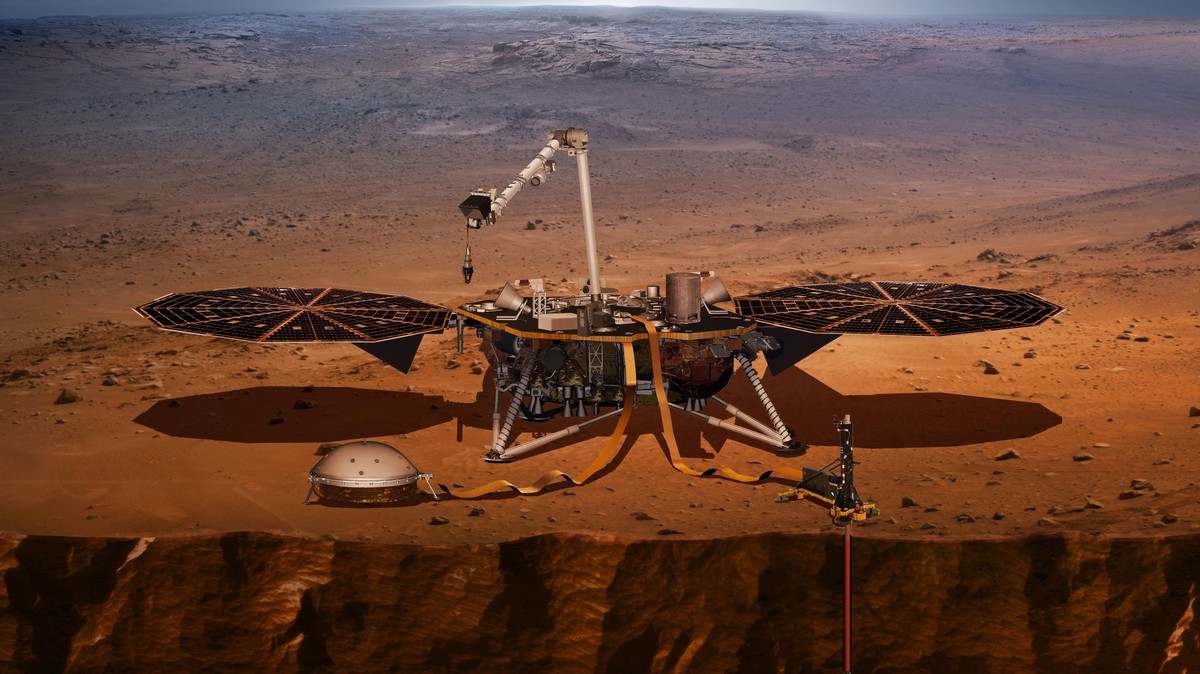
InSight will accomplish this feat with its Heat Flow and Physical Properties Package (HP3), nicknamed “the mole” because it can burrow through regolith (the loose rocky surface layer on Mars and many other terrestrial planets). The instrument consists of a tube with a spring-loaded mechanism that will hammer out a hole in half-meter increments. Every 50 centimeters, it will stop for several hours or days to take thermal measurements and cool down from the frictional and operational heat generated by the dig process.

Read More
China just invited the world to its space station

China just invited the world to its space station

At a time when NASA and its partners are trying to decide how long to maintain the International Space Station, China has taken the significant step of inviting the world to its planned orbital station. The China Space Station, or CSS, could become operational as soon as 2022. Such an announcement represents potentially the greatest soft power threat of the last six decades to US and Russian dominance of spaceflight.

Read More
Tracking CubeSats for $25

Tracking CubeSats for $25

CubeSats are tiny satellites which tag along as secondary payloads during launches. They have to weigh in at under 1.33 kg, and are often built at low cost. There’s even open source designs for these little spacecrafts.

Read More