Learn Reinforcement Learning from scratch

Learn Reinforcement Learning from scratch

  • June 8, 2018
Table of Contents

Learn Reinforcement Learning from scratch

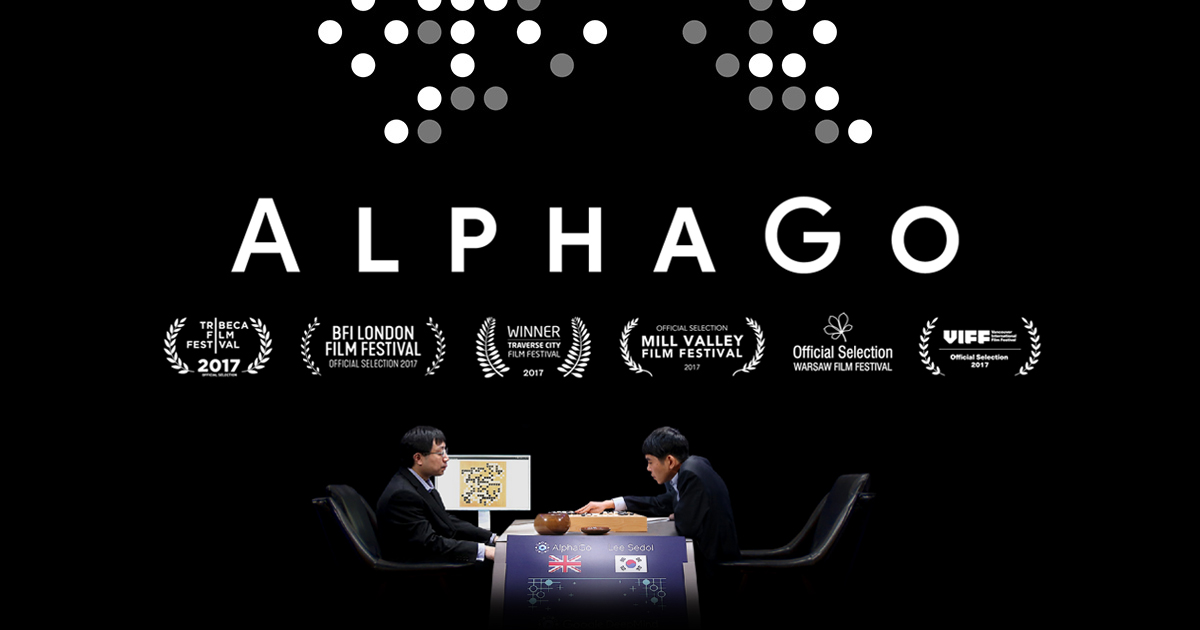
Deep RL is a field that has seen vast amounts of research interest, including learning to play Atari games, beating pro players at Dota 2, and defeating Go champions. Contrary to many classical Deep Learning problems that often focus on perception (does this image contain a stop sign?) , Deep RL adds the dimension of actions that influence the environment (what is the goal, and how do I get there?).

In dialog systems for example, classical Deep Learning aims to learn the right response for a given query. On the other hand, Deep Reinforcement Learning focuses on the right sequences of sentences that will lead to a positive outcome, for example a happy customer. This makes Deep RL particularly attractive for tasks that require planning and adaptation, such as manufacturing or self-driving.

However, industry applications have trailed behind the rapidly advancing results coming out of the research community. A major reason is that Deep RL often requires an agent to experiment millions of times before learning anything useful. The best way to do this rapidly is by using a simulation environment.

This tutorial will be using Unity to create environments to train agents in. Deep RL can be used to best the top human players at Go, but to understand how that’s done, you first need to understand a few simple concepts, starting with much easier problems.

Source: insightdatascience.com

Tags :
Share :
comments powered by Disqus

Related Posts

Americans Less Trusting of Self-Driving Safety Following High-Profile Accidents

Americans Less Trusting of Self-Driving Safety Following High-Profile Accidents

Americans are less trusting of self-driving cars following two deadly accidents involving autonomous or semi-autonomous vehicles, with half of U.S. adults considering those automobiles less safe than human drivers, according to a new poll. A Morning Consult survey conducted March 29-April 1 among a national sample of 2,202 adults found that 27 percent of respondents said self-driving cars are safer than human drivers, while 50 percent said autonomous vehicles are less safe. Eight percent said the automobiles are on par with human drivers when it comes to safety.

Read More
Horovod: Distributed Training Framework for TensorFlow, Keras, and PyTorch

Horovod: Distributed Training Framework for TensorFlow, Keras, and PyTorch

Horovod is a distributed training framework for TensorFlow, Keras, and PyTorch. The goal of Horovod is to make distributed Deep Learning fast and easy to use.

Read More
Intel AI Lab open-sources library for deep learning-driven NLP

Intel AI Lab open-sources library for deep learning-driven NLP

The Intel AI Lab has open-sourced a library for natural language processing to help researchers and developers give conversational agents like chatbots and virtual assistants the smarts necessary to function, such as name entity recognition, intent extraction, and semantic parsing to identify the action a person wants to take from their words. The first-ever conference by Intel for AI developers is being held Wednesday and Thursday, May 23 and 24, at the Palace of Fine Arts in San Francisco. The Intel AI Lab now employs about 40 data scientists and researchers and works with divisions of the company developing products like the nGraph framework and hardware like Nervana Neural Network chips, Liu said.

Read More