Orange Skin, Thick Bones, and All the Other Ways the Human Body Could Change on Mars
Table of Contents
Going to Mars will change us—and not just in a touchy-feely, metaphysical way. Over time, we should expect a fair bit of evolutionary divergence between Mars settlers and the human population on Earth, according to Rice University biologist Scott Solomon, who examined this possibility in his 2016 book Future Humans: Inside the Science of Our Continuing Evolution. That divergence will start unspooling at the outset, thanks to something called “the founder effect.”
No matter how or when it happens, the Red Planet will be settled by a relatively small group of people who are not perfectly representative of the entire human population. For example, it’s a pretty safe bet that Mars pioneers will be atypically adventurous and risk-tolerant. That means, Muskton—the odds are decent that the first Red Planet burg will be named after SpaceX’s CEO—will likely feature more rock-climbing gyms and bordellos per capita than cities here on Earth.
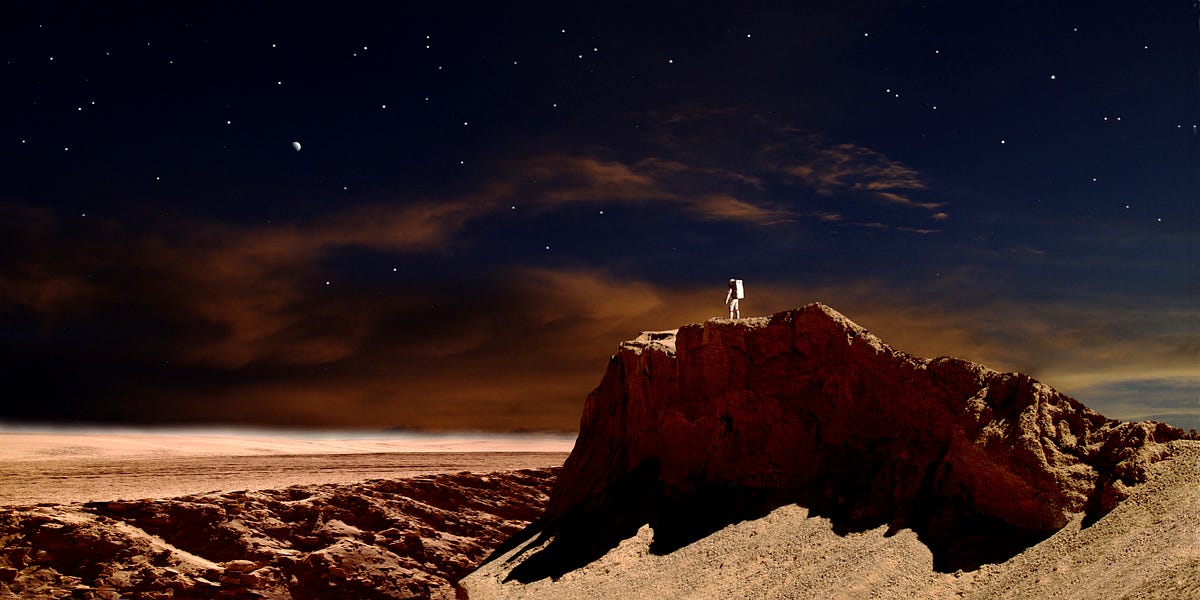
And those initial differences will snowball, because Mars and Earth are very different worlds. The Red Planet is much smaller; the force of gravity on its surface is just 38 percent of the pull we feel here on Earth. Mars also lacks a global magnetic field, a thick atmosphere (though we could remedy that with terraforming), and a protective ozone layer.
Mars gets hammered a lot harder than we do by space radiation—UV light and charged particles from the sun, as well as super-energetic cosmic rays zooming in from outside the solar system.
Source: medium.com