DeepMind Achieves Holy Grail: An AI That Can Master Games Like Chess and Go Without Human Help

DeepMind Achieves Holy Grail: An AI That Can Master Games Like Chess and Go Without Human Help

  • December 9, 2018
Table of Contents

DeepMind Achieves Holy Grail: An AI That Can Master Games Like Chess and Go Without Human Help

DeepMind, the London-based subsidiary of Alphabet, has createda system that can quickly master anygame in the classthat includes chess, Go, and Shogi, and do sowithouthuman guidance. The system, called AlphaZero, began its lifelast yearby beating a DeepMind system that had been specialized just for Go. That earlier system haditself made history by beating one of the world’s best Go players, but it needed human help to get through a months-long course of improvement.

AlphaZero trained itself—injust3days. AlphaZero, playing White against Stockfish, began byidentifying four candidate moves. After 1,000simulations, it rejected the moves marked in red;after another 100,000 simulations, it chose the move marked in green over the one marked in orange.

AlphaZerowent on to win, thanks in large part to having opened the diagonal forits bishop. The research,published today in the journal Science, was performed by a team ledby DeepMind’sDavid Silver. The paper was accompanied by a commentary by Murray Campbell,an AI researcher at the IBMThomas J. Watson Research Center in Yorktown Heights,

N.Y. AlphaZero can crack any game that provides all the information that’s relevant to decision-making; the new generation of games to which Campbell alludes do not. Poker furnishes a good example of such games of “imperfect” information: Players can holdtheir cards close totheir chests. Other examples include many multiplayer games, such as StarCraft II, Dota, andMinecraft.

Butthey may not pose a worthy challenge for long.

Source: ieee.org
Share :
comments powered by Disqus

Related Posts

Predictive Scaling for EC2, Powered by Machine Learning

Predictive Scaling for EC2, Powered by Machine Learning

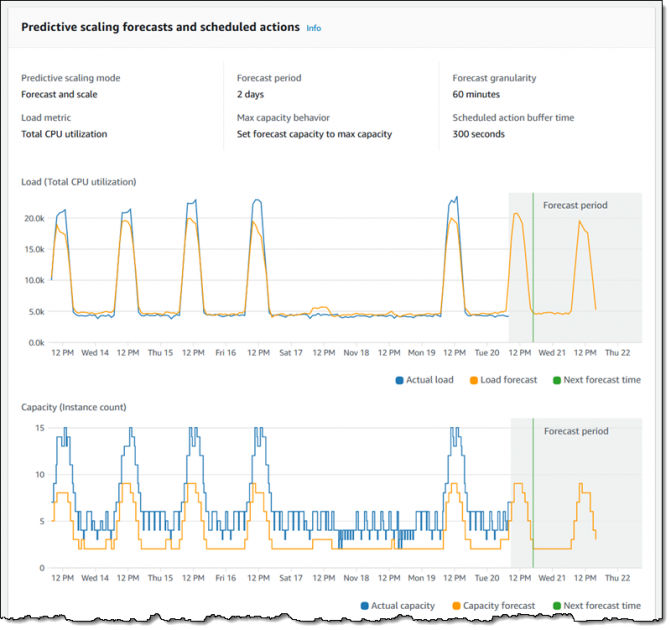
When I look back on the history of AWS and think about the launches that truly signify the fundamentally dynamic, on-demand nature of the cloud, two stand out in my memory: the launch of Amazon EC2 in 2006 and the concurrent launch of CloudWatch Metrics, Auto Scaling, and Elastic Load Balancing in 2009. The first launch provided access to compute power; the second made it possible to use that access to rapidly respond to changes in demand. We have added a multitude of features to all of these services since then, but as far as I am concerned they are still central and fundamental!

Read More
FastMRI open source tools from Facebook and NYU

FastMRI open source tools from Facebook and NYU

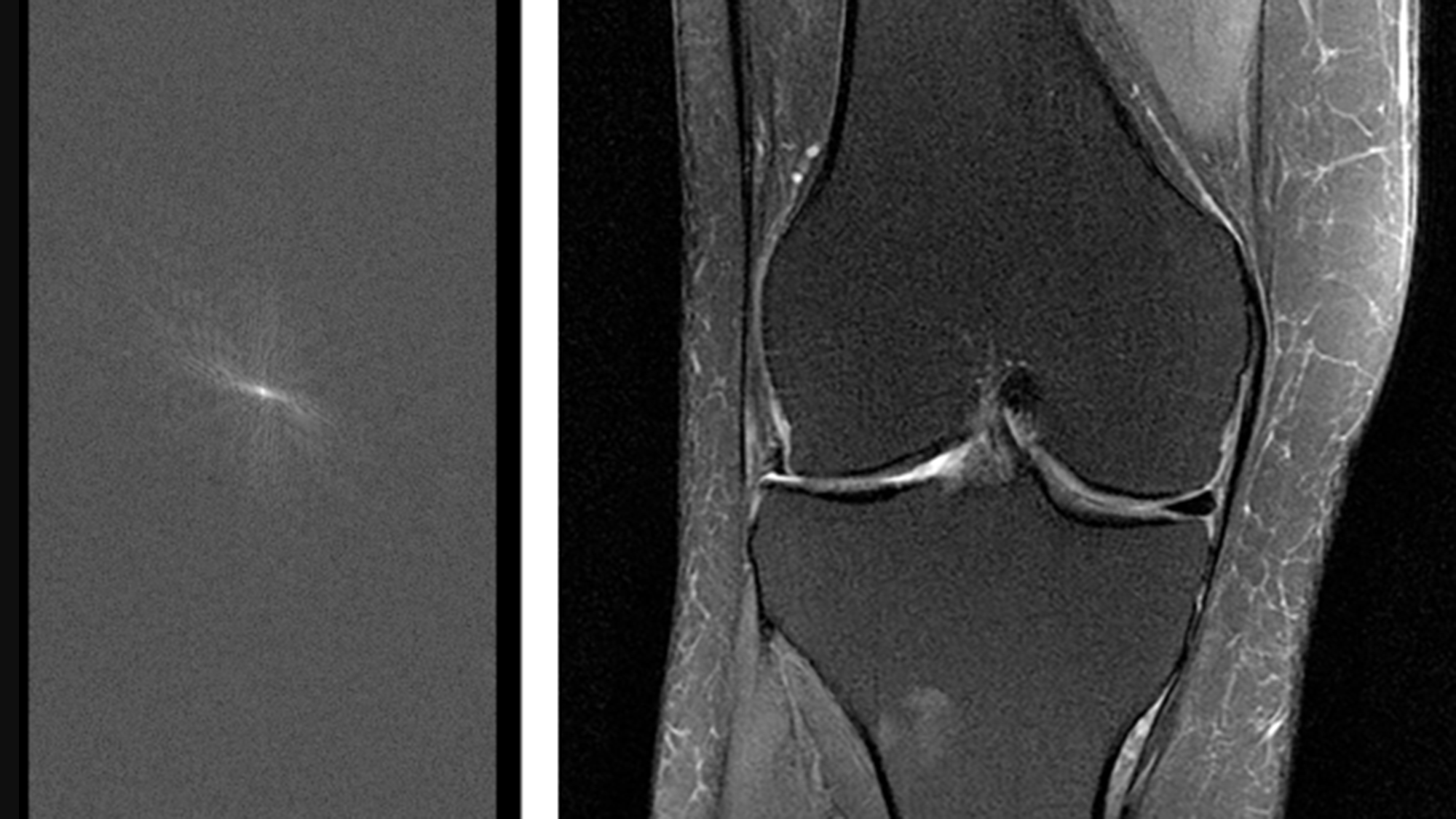
Facebook AI Research (FAIR) and NYU School of Medicine’s Center for Advanced Imaging Innovation and Research (CAI²R) are sharing new open source tools and data as part of fastMRI, a joint research project to spur development of AI systems to speed MRI scans by up to 10x. Today’s releases include new AI models and baselines for this task(as described in our paper here). It also includes the first large-scale MRI data set of its kind, which can serve as a benchmark for future research.

Read More
Radiology and Deep Learning

Radiology and Deep Learning

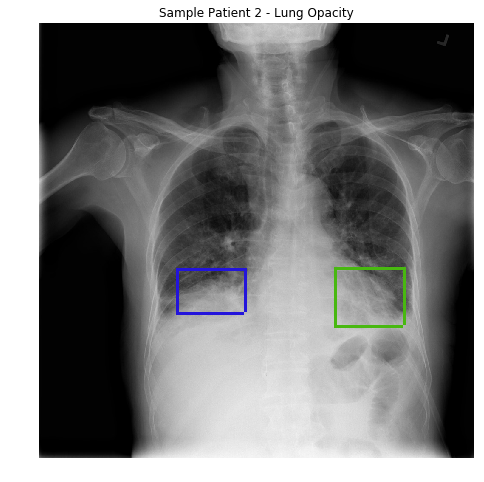
Radiology and DeepLearningDetecting pneumonia opacities from chest X-Ray images using deep learning. One day back in August, I was catching up with my best friend from high school who is now a radiology resident. One thing led to another, and we started talking about our interests in artificial intelligence and machine learning and its possible applications in radiology.

Read More