How Airbnb is Moving 10x Faster at Scale with GraphQL and Apollo
Table of Contents
How Airbnb is Moving 10x Faster at Scale with GraphQL andApolloDemystifying My GraphQL SummitTalkAdam NearyBlockedUnblockFollowFollowingDec 4I had the opportunity to kick off GraphQL Summit last month with a talk that involved quite a bit of live coding (the Keynote intro ends at minute 6:00 if you’re in a hurry!). Check it out: From the feedback I gathered over the following days of the conference, the good news is people were clearly excited to see product being built so fast.
People walked away inspired about the future (mission accomplished!). The bad news is that I didn’t have time to explain how it all worked, and many people walked away thinking Airbnb had invested years of engineer hours building impeccable infrastructure to support GraphQL. The reality couldn’t be farther from the truth!
In fact, 90% of the heavy lifting in the demo was managed by Apollo’s CLI tooling. In fact, I hope in including here some of the code we use to achieve this kind of development experience, you will see that between the open source Apollo tooling and just a little effort on your end, wiring this all up is really a manageable set of tasks. It is also worth noting up front that we are early in our GraphQL journey.
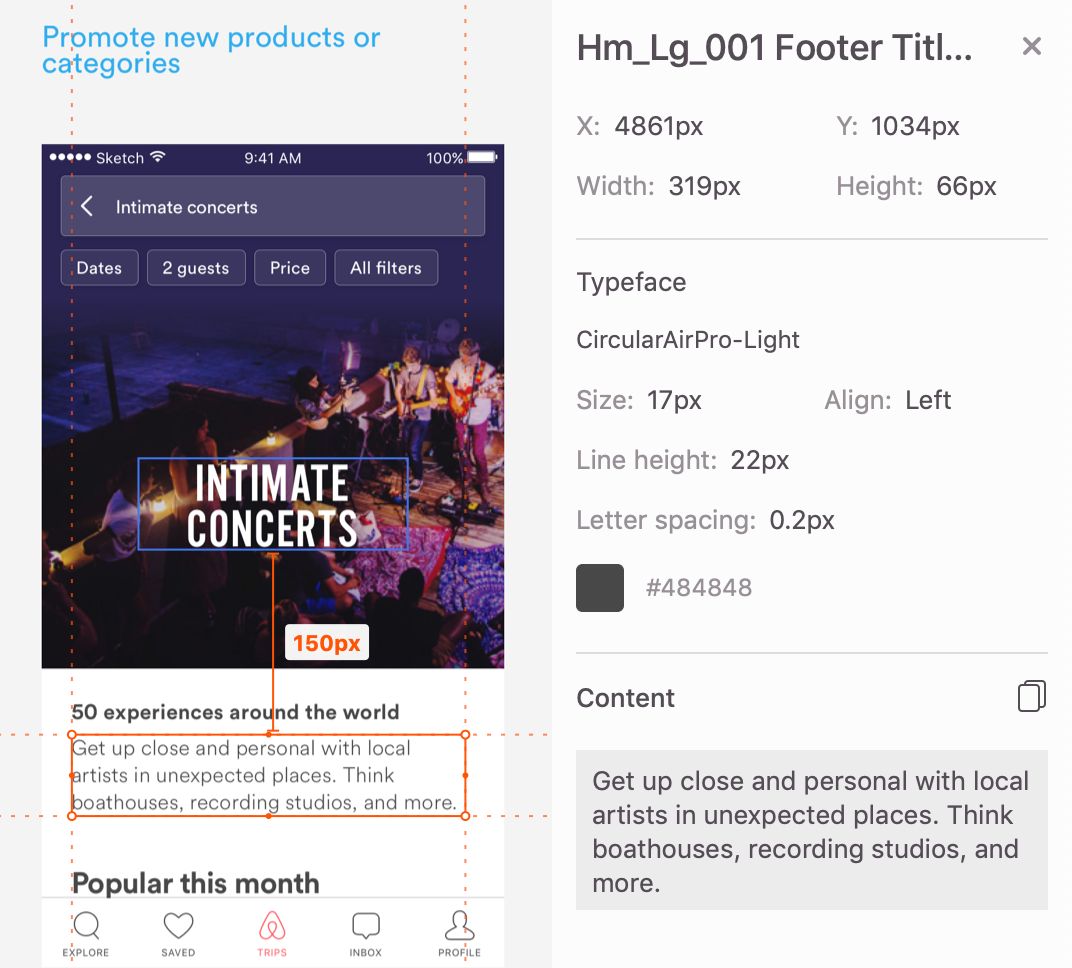
Lots still to learn, and some of the things we are talking about managing via CI—for example— are still in development. As we learn more, I will continue to update this post so our best knowledge is reflected. The existing state for the product at the beginning of the talk presupposes we have built a system where a very dynamic page is constructed based on a query that will return an array of some set of possible “sections.”
These sections are responsive and define the UI completely.
Source: medium.com