
Bye bye Mongo, Hello Postgres

Bye bye Mongo, Hello Postgres

  • December 20, 2018
Table of Contents

Bye bye Mongo, Hello Postgres

In April the Guardian switched off the Mongo DB cluster used to store our content after completing a migration to PostgreSQL on Amazon RDS. This post covers why and how At the Guardian, the majority of content – including articles, live blogs, galleries and video content – is produced in our in-house CMS tool, Composer. This, until recently, was backed by a Mongo DB database running on AWS.

This database is essentially the “source of truth” for all Guardian content that has been published online – approximately 2.3m content items. We’ve just completed our migration away from Mongo to Postgres SQL. After this, the Guardian’s migration to AWS became that bit more urgent.

We decided to purchase OpsManager – Mongo’s database management software – along with a Mongo support contract – to help with the cloud migration. We used OpsManager to manage backups, handle orchestration and provide monitoring for our database cluster.

Source: theguardian.com
Share :
comments powered by Disqus

Related Posts

Implementing the Netflix Media Database

Implementing the Netflix Media Database

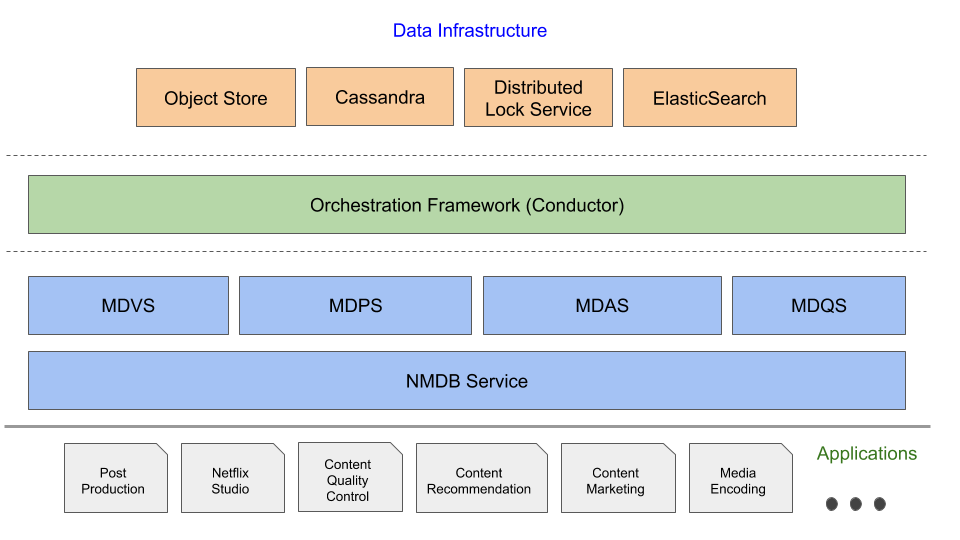
In the previous blog posts in this series, we introduced the Netflix Media DataBase (NMDB) and its salient “Media Document” data model. In this post we will provide details of the NMDB system architecture beginning with the system requirements—these will serve as the necessary motivation for the architectural choices we made. A fundamental requirement for any lasting data system is that it should scale along with the growth of the business applications it wishes to serve.

Read More
Scaling Cash Payments in Uber Eats

Scaling Cash Payments in Uber Eats

This article is the fourth in a series covering how Uber’s mobile engineering team developed the newest version of our driver app, codenamed Carbon, a core component of our ridesharing business. Among other new features, the app lets our population of over three million driver-partners find fares, get directions, and track their earnings. We began designing the new app in conjunction with feedback from our driver-partners in 2017 and began rolling it out for production in September 2018.

Read More