CVE-2018-18264 Privilege escalation through Kubernetes dashboard

CVE-2018-18264 Privilege escalation through Kubernetes dashboard

  • January 21, 2019
Table of Contents

CVE-2018-18264 Privilege escalation through Kubernetes dashboard

A recently disclosed vulnerability in Kubernetes dashboard (CVE-2018-18264) exposes secrets to unauthenticated users. In this blog post we’ll explore some key takeaways regarding monitoring privilege escalation on Kubernetes. The Kubernetes dashboard is a web based user interface that allows users to manage applications and resources within the cluster.

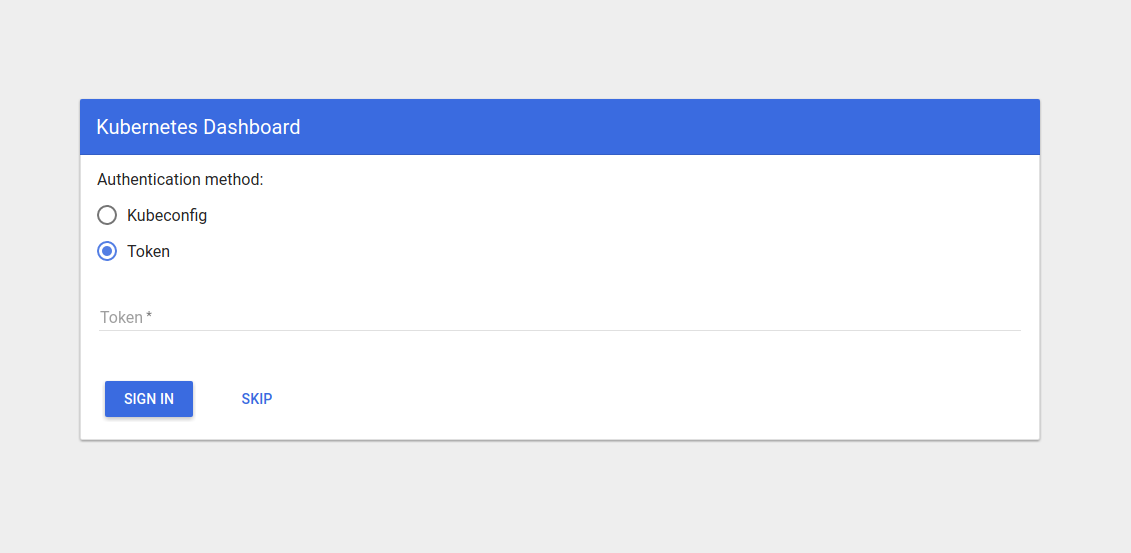
This service has a login functionality starting from Kubernetes 1.7.0. Since then, users are able to authenticate with a kubeconfig file or an access token. But it is also possible to skip the authentication altogether with a skip button.

The recently disclosed vulnerability in Kubernetes dashboard: CVE-2018-18264 allows users to escalate privileges within the Kubernetes cluster using the dashboard to potentially access information they are not actually granted access to: a user could skip the authentication and query resources that the dashboard service account has access to, like the kubernetes-dashboard-certs secret, that stores TLS certificate and private key for the service. This is particularly critical because with those TLS credentials, the attacker could impersonate the dashboard service, spawning a fake service to steal other user’s credentials.

Source: sysdig.com
Share :
comments powered by Disqus

Related Posts

Moving from Kube2Iam to Kiam

Moving from Kube2Iam to Kiam

At Ibotta, we chose kube2iam to assign AWS IAM Roles to containers running in our Kubernetes cluster. Lately, we’ve run into some issues with it—specifically when running a job that scores all of our service repos. This spins up a number of pods in parallel and has often failed to correctly access roles.

Read More
Deployment strategies for the Jaeger Agent

Deployment strategies for the Jaeger Agent

If you’ve been following the evolution of the Kubernetes templates for Jaeger, you might have noticed an important change recently: the Jaeger Agent is not being deployed as a DaemonSet anymore. Instead, instructions are now being provided on how to deploy it as a “Sidecar”. The Agent component was developed to act as a “buffer” between the tracer and the collector.

Read More
A Crash Course For Running Istio

A Crash Course For Running Istio

At Namely we’ve been running with Istio for a year now. Yes, that’s pretty much when it first came out. We had a major performance regression with a Kubernetes cluster, we wanted distributed tracing, and used Istio to bootstrap Jaeger to investigate.

Read More