NLP with a fashion twist: Zalando’s natural language processing framework

NLP with a fashion twist: Zalando’s natural language processing framework

  • January 21, 2019
Table of Contents

NLP with a fashion twist: Zalando’s natural language processing framework

Zalando research brings the latest flair to the scene. (Yes, that Zalando. The German-based fashion and beauty online shop operates in fifteen different European countries.)

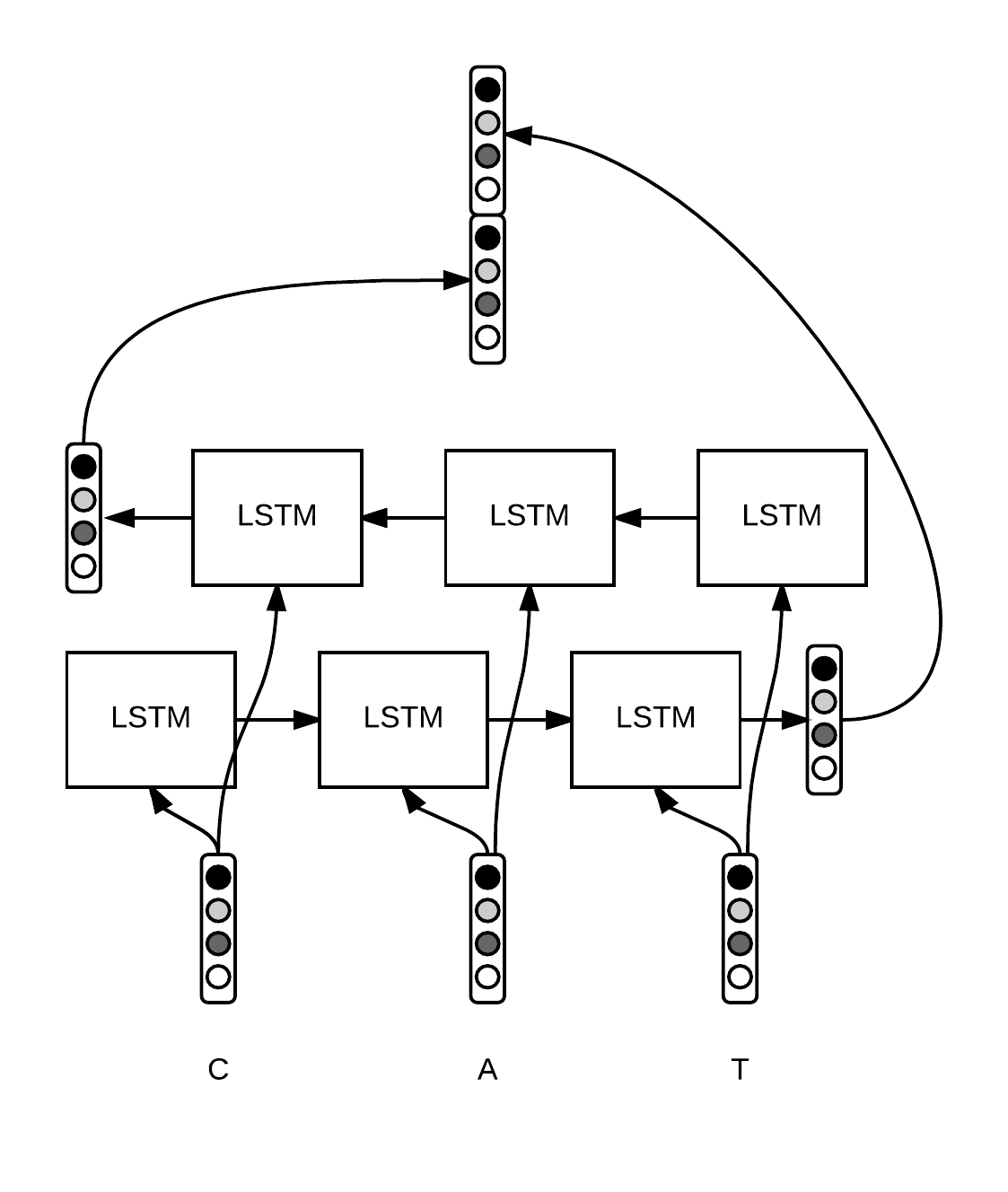
Flair is a simple framework for state-of-the-art natural language processing. It builds on top of Pytorch – a popular deep learning platform, which makes it easy to use. A powerful NLP library.

Flair allows you to apply our state-of-the-art natural language processing (NLP) models to your text, such as named entity recognition (NER), part-of-speech tagging (PoS), sense disambiguation and classification. Multilingual. Thanks to the Flair community, we support a rapidly growing number of languages.

We also now include ‘one model, many languages’ taggers, i.e. single models that predict PoS or NER tags for input text in various languages. A text embedding library. Flair has simple interfaces that allow you to use and combine different word and document embeddings, including our proposed Flair embeddings, BERT embeddings and ELMo embeddings.

Source: jaxenter.com

Tags :
Share :
comments powered by Disqus

Related Posts

Baidu shows off its instant pocket translator

Baidu shows off its instant pocket translator

The Chinese Internet giant has made significant strides improving machine language translation since 2015, using an advanced form of artificial intelligence known as deep learning, said Hua Wu, the company’s chief scientist focused on natural-language processing. On stage, the Internet-connected device was able to almost instantly translate a short conversation between Wu and senior editor Will Knight. It easily rendered Knight’s questions including ’Where can I buy this device?’

Read More
Intel AI Lab open-sources library for deep learning-driven NLP

Intel AI Lab open-sources library for deep learning-driven NLP

The Intel AI Lab has open-sourced a library for natural language processing to help researchers and developers give conversational agents like chatbots and virtual assistants the smarts necessary to function, such as name entity recognition, intent extraction, and semantic parsing to identify the action a person wants to take from their words. The first-ever conference by Intel for AI developers is being held Wednesday and Thursday, May 23 and 24, at the Palace of Fine Arts in San Francisco. The Intel AI Lab now employs about 40 data scientists and researchers and works with divisions of the company developing products like the nGraph framework and hardware like Nervana Neural Network chips, Liu said.

Read More