Docker and Kubernetes in high security environments

Docker and Kubernetes in high security environments

  • January 29, 2019
Table of Contents

Docker and Kubernetes in high security environments

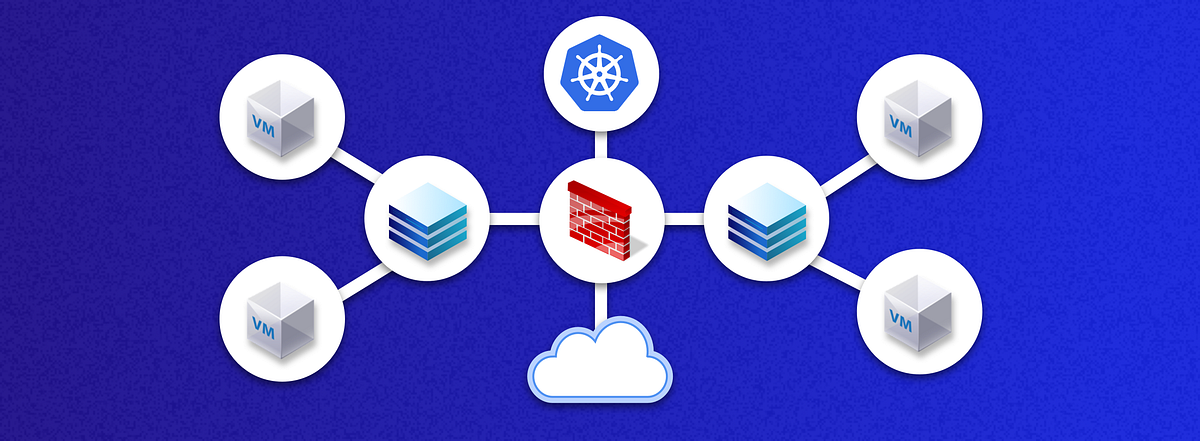
This is brief summary of parts of my master’s thesis and the conclusions to draw from it. This medium-story focuses on containerized application isolation. The thesis also covers segmentation of cluster networks in Kubernetes which is not discussed in this story.

You can read my full thesis here; it’s available through open access:Container Orchestration in Security Demanding Environments at the Swedish Police Authority.

Source: medium.com

Share :
comments powered by Disqus

Related Posts

Running Kubernetes in the Federal Government

Running Kubernetes in the Federal Government

Tackling security compliance is a long and challenging process for agencies, systems integrators, and vendors trying to launch new information systems in the federal government. Each new information system must go through the Risk Management Framework (RMF) created by the National Institute of Standards and Technology (NIST) in order to obtain authority to operate (ATO). This process is often long and tedious and can last for over a year.

Read More
Moving from Kube2Iam to Kiam

Moving from Kube2Iam to Kiam

At Ibotta, we chose kube2iam to assign AWS IAM Roles to containers running in our Kubernetes cluster. Lately, we’ve run into some issues with it—specifically when running a job that scores all of our service repos. This spins up a number of pods in parallel and has often failed to correctly access roles.

Read More
Kubernetes’ first major security hole discovered

Kubernetes’ first major security hole discovered

Kubernetes has become the most popular cloud container orchestration system by far, so it was only a matter of time until its first major security hole was discovered. And the bug, CVE-2018-1002105, aka the Kubernetes privilege escalation flaw, is a doozy. It’s a CVSS 9.8 critical security hole.

Read More