Kubernetes Ingress Past, Present, and Future
Table of Contents
This post was inspired by listening to the February 19, 2019, Kubernetes Podcast, “Ingress, with Tim Hockin.” The Kubernetes Podcast is turning out to be a very well done podcast overall, and well worth the listen. In the Ingress episode, the podcasters interview Tim Hockin who’s one of the original Kubernetes co-founders, a team lead on the Kubernetes predecessor Borg/Omega, and is still very active within the Kubernetes community such as chairing the Kubernetes Network Special Interest Group that currently own the Ingress resource specification.
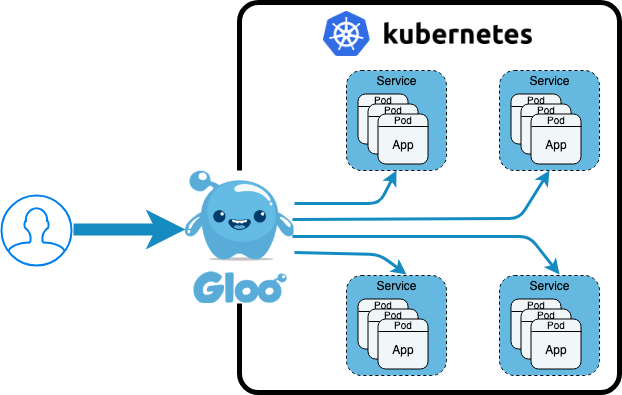
Tim talks in the podcast about the history of the Kubernetes Ingress, current developments around Ingress, and proposed futures. This talk inspired me to reflect on both Ingress Controllers (realizes the implementation of Ingress manifest) and Ingress the concept (allow client outside the Kubernetes cluster to access services running in the Kubernetes cluster). To paraphrase from the Kubernetes Ingress documentation, Ingress is an L7 network service that exposes HTTP(S) routes from outside to inside a Kubernetes cluster.
A Kubernetes cluster may have one or more Ingress Controllers running, and each controller manages service reachability, load balancing, TLS/SSL termination, and other services for that controller’s associated routes.
Source: cranton.com