Demystifying Containers – Part I: Kernel Space

Demystifying Containers – Part I: Kernel Space

  • June 28, 2019
Table of Contents

Demystifying Containers – Part I: Kernel Space

This series of blog posts and corresponding talks aims to provide you with a pragmatic view on containers from a historic perspective. Together we will discover modern cloud architectures layer by layer, which means we will start at the Linux Kernel level and end up at writing our own secure cloud native applications. Simple examples paired with the historic background will guide you from the beginning with a minimal Linux environment up to crafting secure containers, which fit perfectly into todays’ and futures’ orchestration world.

In the end it should be much easier to understand how features within the Linux kernel, container tools, runtimes, software defined networks and orchestration software like Kubernetes are designed and how they work under the hood. This first blog post (and talk) is scoped to Linux kernel related topics, which will provide you with the necessary foundation to build up a deep understanding about containers. We will gain an insight about the history of UNIX, Linux and talk about solutions like chroot, namespaces and cgroups combined with hacking our own examples.

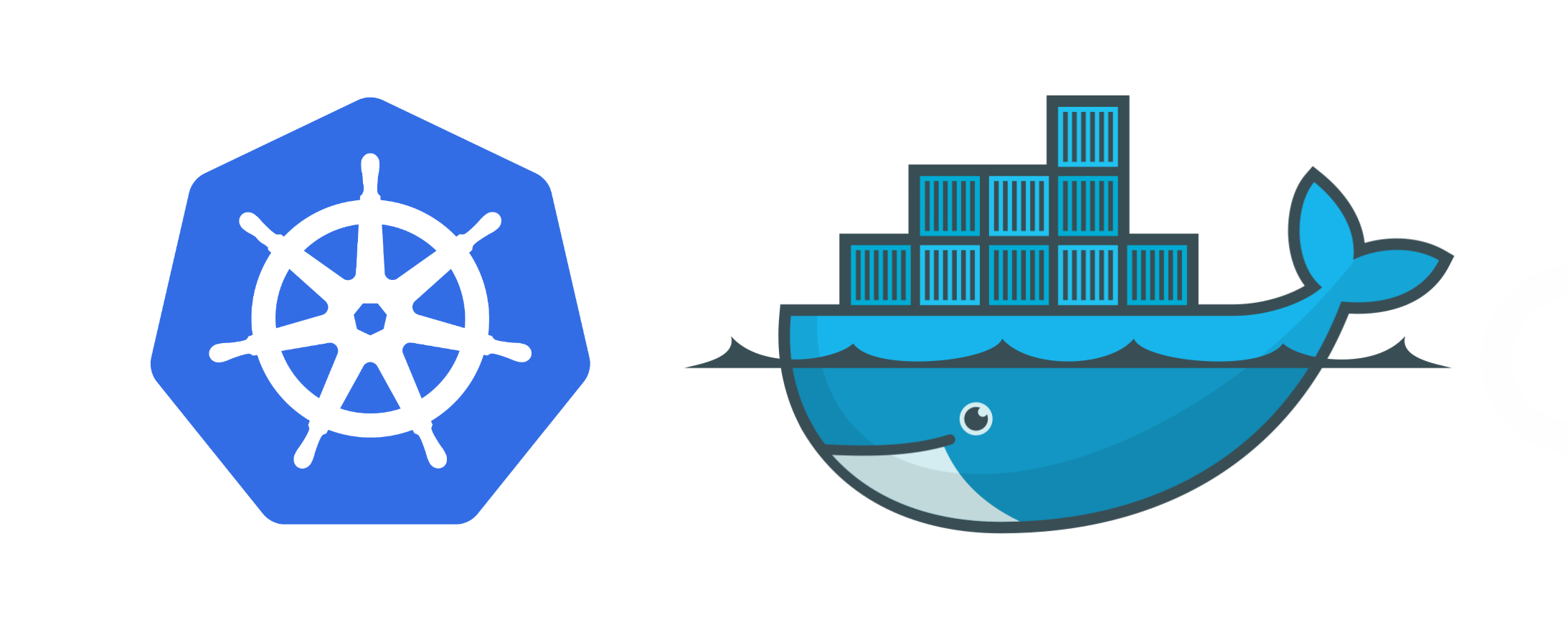
Besides this we will peel some containers to get a feeling about future topics we will talk about. If we are talking about containers nowadays, most people tend to think of the big blue whale or the white steering wheel on the blue background.

Source: cncf.io
Share :
comments powered by Disqus

Related Posts

8 emerging trends in container orchestration

8 emerging trends in container orchestration

Containerization is now officially mainstream. A quarter of Datadog’s total customer base has adopted Docker and other container technologies, and half of the companies with more than 1,000 hosts have done so. As containers take a more prominent place in the infrastructure landscape, we see our customers adding automation and orchestration to help manage their fleets of ephemeral containers.

Read More
Open-sourcing gVisor, a sandboxed container runtime

Open-sourcing gVisor, a sandboxed container runtime

Containers have revolutionized how we develop, package, and deploy applications. However, the system surface exposed to containers is broad enough that many security experts don’t recommend them for running untrusted or potentially malicious applications. A growing desire to run more heterogenous and less trusted workloads has created a new interest in sandboxed containers—containers that help provide a secure isolation boundary between the host OS and the application running inside the container.

Read More
Docker and Kubernetes in high security environments

Docker and Kubernetes in high security environments

This is brief summary of parts of my master’s thesis and the conclusions to draw from it. This medium-story focuses on containerized application isolation. The thesis also covers segmentation of cluster networks in Kubernetes which is not discussed in this story.

Read More