Demystifying Containers – Part I: Kernel Space

Demystifying Containers – Part I: Kernel Space

  • June 28, 2019
Table of Contents

Demystifying Containers – Part I: Kernel Space

This series of blog posts and corresponding talks aims to provide you with a pragmatic view on containers from a historic perspective. Together we will discover modern cloud architectures layer by layer, which means we will start at the Linux Kernel level and end up at writing our own secure cloud native applications. Simple examples paired with the historic background will guide you from the beginning with a minimal Linux environment up to crafting secure containers, which fit perfectly into todays’ and futures’ orchestration world.

In the end it should be much easier to understand how features within the Linux kernel, container tools, runtimes, software defined networks and orchestration software like Kubernetes are designed and how they work under the hood. This first blog post (and talk) is scoped to Linux kernel related topics, which will provide you with the necessary foundation to build up a deep understanding about containers. We will gain an insight about the history of UNIX, Linux and talk about solutions like chroot, namespaces and cgroups combined with hacking our own examples.

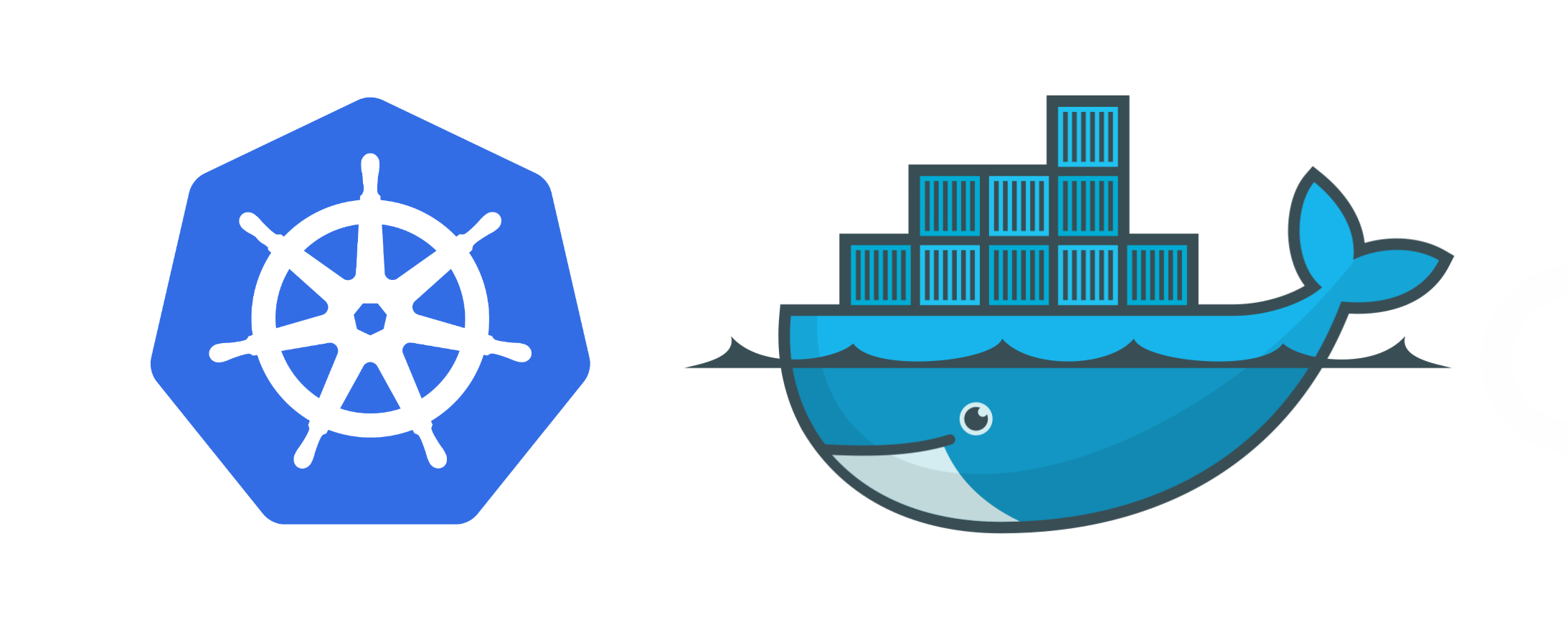
Besides this we will peel some containers to get a feeling about future topics we will talk about. If we are talking about containers nowadays, most people tend to think of the big blue whale or the white steering wheel on the blue background.

Source: cncf.io
Share :
comments powered by Disqus

Related Posts

Predictive CPU isolation of containers at Netflix

Predictive CPU isolation of containers at Netflix

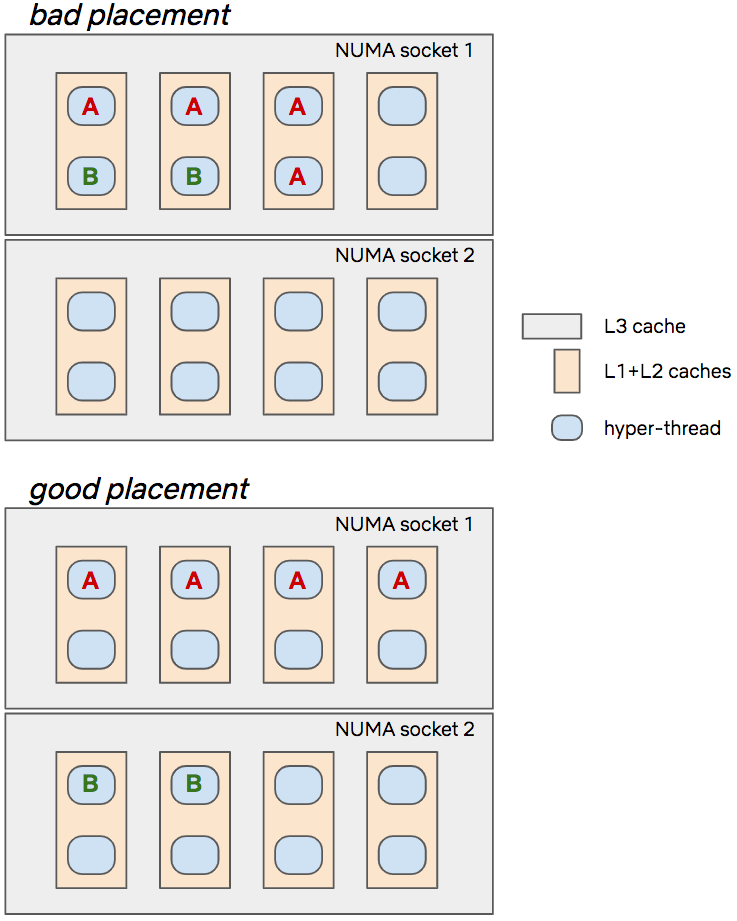
Because microprocessors are so fast, computer architecture design has evolved towards adding various levels of caching between compute units and the main memory, in order to hide the latency of bringing the bits to the brains. However, the key insight here is that these caches are partially shared among the CPUs, which means that perfect performance isolation of co-hosted containers is not possible. If the container running on the core next to your container suddenly decides to fetch a lot of data from the RAM, it will inevitably result in more cache misses for you (and hence a potential performance degradation).

Read More
Docker and Kubernetes in high security environments

Docker and Kubernetes in high security environments

This is brief summary of parts of my master’s thesis and the conclusions to draw from it. This medium-story focuses on containerized application isolation. The thesis also covers segmentation of cluster networks in Kubernetes which is not discussed in this story.

Read More
Anatomy of CVE-2019-5736: A runc container escape!

Anatomy of CVE-2019-5736: A runc container escape!

On Monday, February 11, CVE-2019-5736 was disclosed. This vulnerability is a flaw in runc, which can be exploited to escape Linux containers launched with Docker, containerd, CRI-O, or any other user of runc. But how does it work?

Read More