Kubernetes pod autoscaler using custom metrics

Kubernetes pod autoscaler using custom metrics

  • August 4, 2019
Table of Contents

Kubernetes pod autoscaler using custom metrics

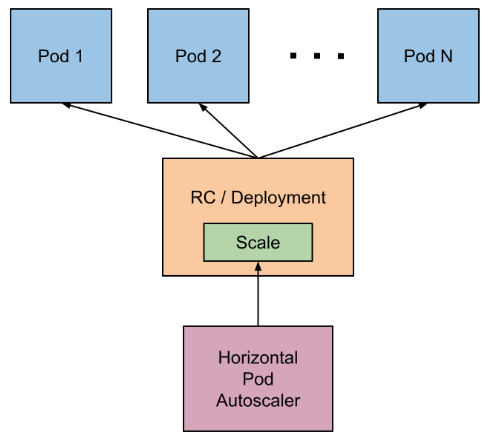
In this post we are going to demonstrate how to deploy a Kubernetes autoscaler using a third party metrics provider. You will learn how to expose any custom metric directly through the Kubernetes API implementing an extension service. Dynamic scaling is not a new concept by any means, but implementing your own scaler is a rather complex and delicate task.

That’s why the Kubernetes Horizontal Pod Autoscaler (HPA) is a really powerful Kubernetes mechanism: it can help you to dynamically adapt your service in a way that is reliable, predictable and easy to configure.

Source: sysdig.com

Share :
comments powered by Disqus

Related Posts

YuniKorn: a universal resource scheduler

YuniKorn: a universal resource scheduler

We are super excited today to announce the open-sourcing of one of the exciting new projects we’ve been working behind the scenes at the intersection of big-data and computation platforms – YuniKorn! Yunikorn is a new standalone universal resource-scheduler responsible for allocating/managing resources for big-data workloads including batch jobs and long-running services. YuniKorn is a light-weight, universal resource scheduler for container orchestrator systems.

Read More
Introducing Volume Cloning Alpha for Kubernetes

Introducing Volume Cloning Alpha for Kubernetes

Kubernetes v1.15 introduces alpha support for volume cloning. This feature allows you to create new volumes using the contents of existing volumes in the user’s namespace using the Kubernetes API. Many storage systems provide the ability to create a “clone” of a volume.

Read More