Building a document understanding pipeline with Google Cloud

Building a document understanding pipeline with Google Cloud

  • October 5, 2019
Table of Contents

Building a document understanding pipeline with Google Cloud

Document understanding is the practice of using AI and machine learning to extract data and insights from text and paper sources such as emails, PDFs, scanned documents, and more. In the past, capturing this unstructured or “dark data” has been an expensive, time-consuming, and error-prone process requiring manual data entry. Today, AI and machine learning have made great advances towards automating this process, enabling businesses to derive insights from and take advantage of this data that had been previously untapped.

Source: google.com
Tags :
Share :
comments powered by Disqus

Related Posts

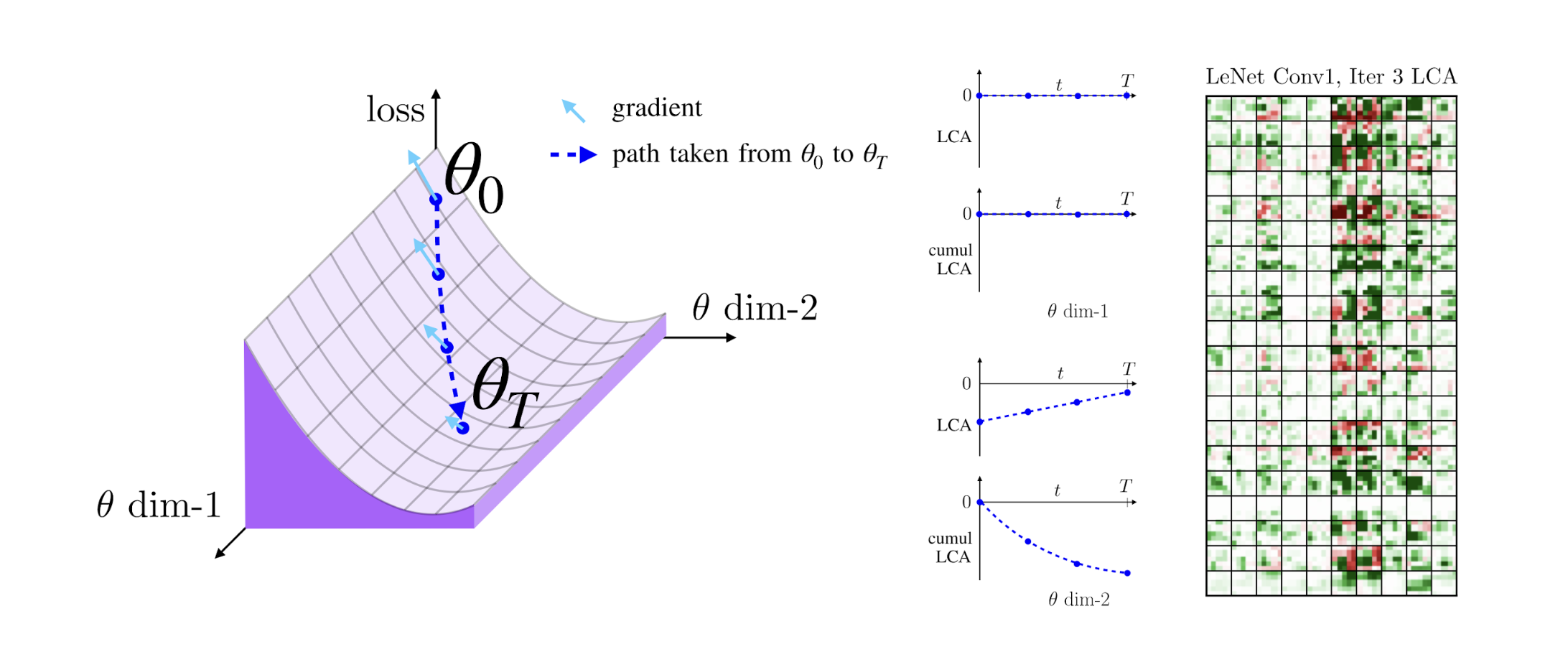
Introducing LCA: Loss Change Allocation for Neural Network Training

Introducing LCA: Loss Change Allocation for Neural Network Training

Neural networks (NNs) have become prolific over the last decade and now power machine learning across the industry. At Uber, we use NNs for a variety of purposes, including detecting and predicting object motion for self-driving vehicles, responding more quickly to customers, and building better maps. While many NNs perform quite well at their tasks, networks are fundamentally complex systems, and their training and operation is still poorly understood.

Read More
Replay in biological and artificial neural networks

Replay in biological and artificial neural networks

Our waking and sleeping lives are punctuated by fragments of recalled memories: a sudden connection in the shower between seemingly disparate thoughts, or an ill-fated choice decades ago that haunts us as we struggle to fall asleep. By measuring memory retrieval directly in the brain, neuroscientists have noticed something remarkable: spontaneous recollections, measured directly in the brain, often occur as very fast sequences of multiple memories. These so-called ‘replay’ sequences play out in a fraction of a second–so fast that we’re not necessarily aware of the sequence.

Read More