Building a Service Mesh with Envoy

Building a Service Mesh with Envoy

  • October 5, 2019
Table of Contents

Building a Service Mesh with Envoy

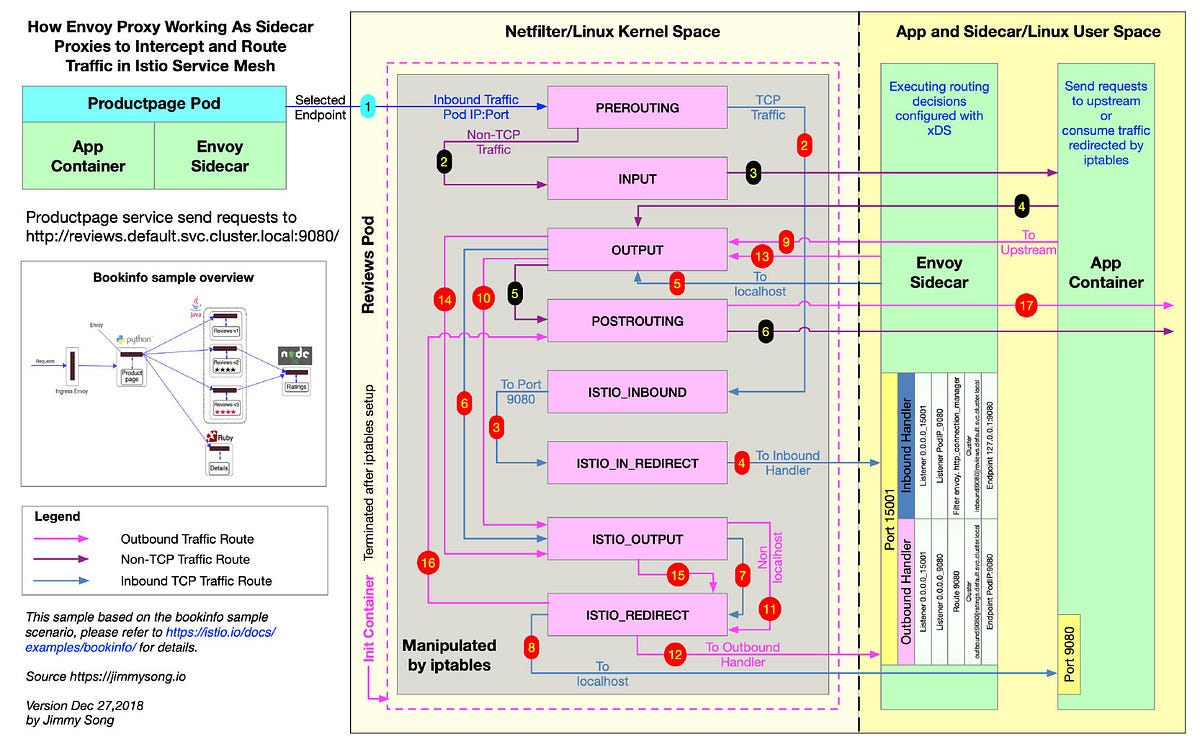
Service Mesh is the communication layer in a microservice setup. All requests, to and from each of the services go through the mesh. Also known as an infrastructure layer in a microservices setup, the service mesh makes communication between services reliable and secure.

Each service has its own proxy service (sidecars) and all the proxy services together form the service mesh. The side cars handle communication between services, which means all the traffic goes through the mesh and this transparent layer can now control how services interact.

Source: thoughtworks.com

Tags :
Share :
comments powered by Disqus

Related Posts

How to Write Envoy Filters Like a Ninja!—Part 1

How to Write Envoy Filters Like a Ninja!—Part 1

Envoy is a programmable L3/L4 and L7 proxy that powers today’s service mesh solutions including Istio, AWS App Mesh, Consul Connect, etc. At Envoy’s core lie several filters that provide a rich set of features for observing, securing, and routing network traffic to microservices. In these set of posts, we’ll have a look at the basics of Envoy filters and learn how to extend Envoy by implementing custom filters to create useful features!

Read More
Announcing Envoy Mobile

Announcing Envoy Mobile

Today we are thrilled to announce the initial OSS preview release of Envoy Mobile, an iOS and Android client network library that brings the power of Envoy Proxy to mobile platforms. This is the beginning of a journey that we hope mobile developers around the industry will join us on. When Lyft originally announced Envoy in 2016, the project goal was simply stated as: The network should be transparent to applications.

Read More