Google’s medical AI was super accurate in a lab. Real life was a different story.

Google’s medical AI was super accurate in a lab. Real life was a different story.

  • April 28, 2020
Table of Contents

Google’s medical AI was super accurate in a lab. Real life was a different story.

If AI is really going to make a difference to patients we need to know how it works when real humans get their hands on it, in real situations. The covid-19 pandemic is stretching hospital resources to the breaking point in many countries in the world. It is no surprise that many people hope AI could speed up patient screening and ease the strain on clinical staff.

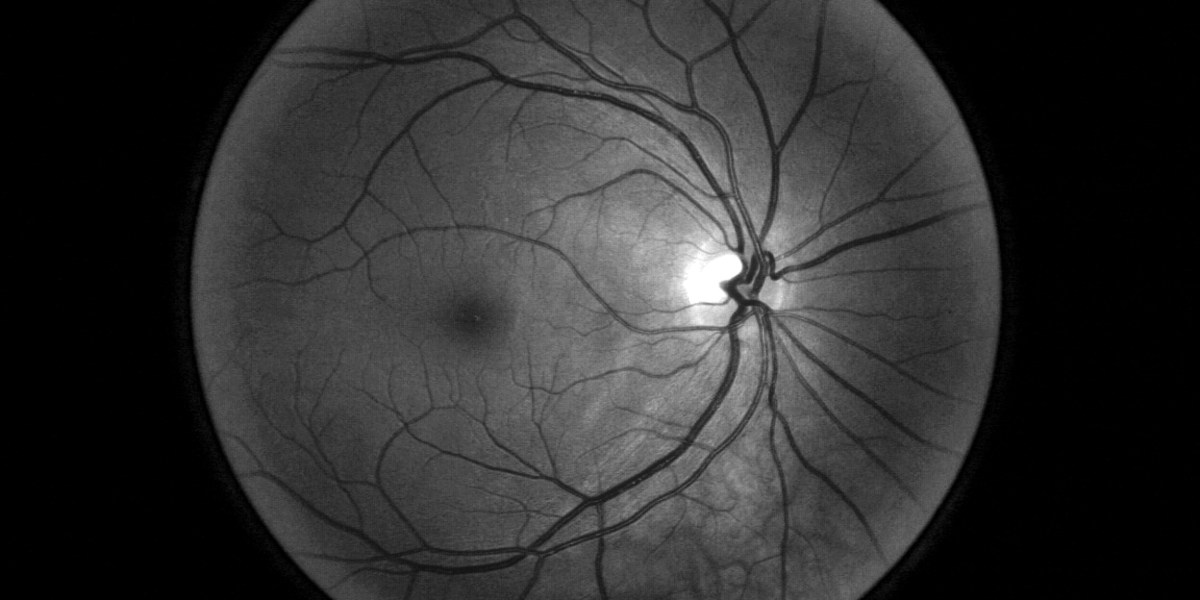
But a study from Google Health—the first to look at the impact of a deep-learning tool in real clinical settings—reveals that even the most accurate AIs can actually make things worse if not tailored to the clinical environments in which they will work. Google’s first opportunity to test the tool in a real setting came from Thailand. The country’s ministry of health has set an annual goal to screen 60% of people with diabetes for diabetic retinopathy, which can cause blindness if not caught early.

But with around 4.5 million patients to only 200 retinal specialists—roughly double the ratio in the US—clinics are struggling to meet the target. Google has CE mark clearance, which covers Thailand, but it is still waiting for FDA approval. So to see if AI could help, Beede and her colleagues outfitted 11 clinics across the country with a deep-learning system trained to spot signs of eye disease in patients with diabetes.

Source: technologyreview.com

Tags :
Share :
comments powered by Disqus

Related Posts

How we built the good first issues feature

How we built the good first issues feature

We’ve recently launched good first issues recommendations to help new contributors find easy gateways into open source projects. Read about the machine learning engine behind these recommendations. GitHub is leveraging machine learning (ML) to help more people contribute to open source.

Read More
When machine learning packs an economic punch

When machine learning packs an economic punch

A new study co-authored by an MIT economist shows that improved translation software can significantly boost international trade online — a notable case of machine learning having a clear impact on economic activity. The research finds that after eBay improved its automatic translation program in 2014, commerce shot up by 10.9 percent among pairs of countries where people could use the new system. To put the results in perspective, he adds, consider that physical distance is, by itself, also a significant barrier to global commerce.

Read More
Deep Learning for Anomaly Detection

Deep Learning for Anomaly Detection

Anomalies, often referred to as outliers, are data points or patterns in data that do not conform to a notion of normal behavior. Anomaly detection, then, is the task of finding those patterns in data that do not adhere to expected norms. The capability to recognize or detect anomalous behavior can provide highly useful insights across industries.

Read More