Evernote’s CEO on the company’s long, tricky journey to fix itself

Evernote’s CEO on the company’s long, tricky journey to fix itself

  • September 25, 2020
Table of Contents

Evernote’s CEO on the company’s long, tricky journey to fix itself

When Small joined Evernote in late 2018, the problem had eclipsed the room at the once-highly-regarded and still-hugely-popular company. (Even after years of problems, it still has more than 250 million users.) Evernote had five different apps run by five different teams for five different platforms, and each had its own set of features, design touches and technical issues.

Internally, Evernote employees called the app’s codebase ‘the monolith,’ and that monolith had grown so big and complex, it was preventing the company from shipping cross-platform features or doing much of anything in a short time. While other apps were becoming faster, more useful and more powerful, Evernote was slowly becoming a crufty, complex relic of a once-great app.

Source: protocol.com

Share :
comments powered by Disqus

Related Posts

A Deep Dive into PostGIS Nearest Neighbor Search

A Deep Dive into PostGIS Nearest Neighbor Search

In this post, we’re going to take a deeper dive into the Postgres and PostGIS internals to find out how this actually works. By the time we surface you will have a better understanding of the advanced technical capabilities and unparalleled extensibility of Postgres. You’ll also appreciate how the open philosophy of Postgres has fostered a development community whose collaboration over many years has provided powerful features that benefit numerous users.

Read More
Millions of tiny databases

Millions of tiny databases

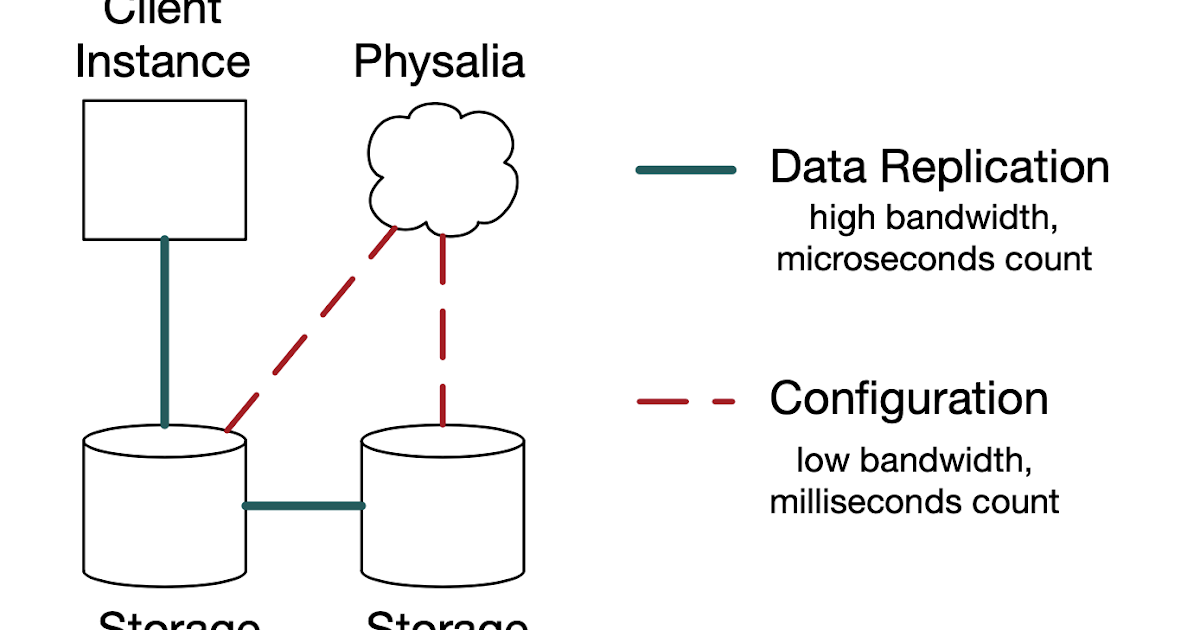
The Physalia configuration store for chain replication of EBS is implemented as key-value stores maintained over a large number of these cells. They built a test harness, called SimWorld, which abstracts networking, performance, and other systems concepts. The goal of this approach is to allow developers to write distributed systems tests, including tests that simulate packet loss, server failures, corruption, and other failure cases, as unit tests in the same language as the system itself.

Read More