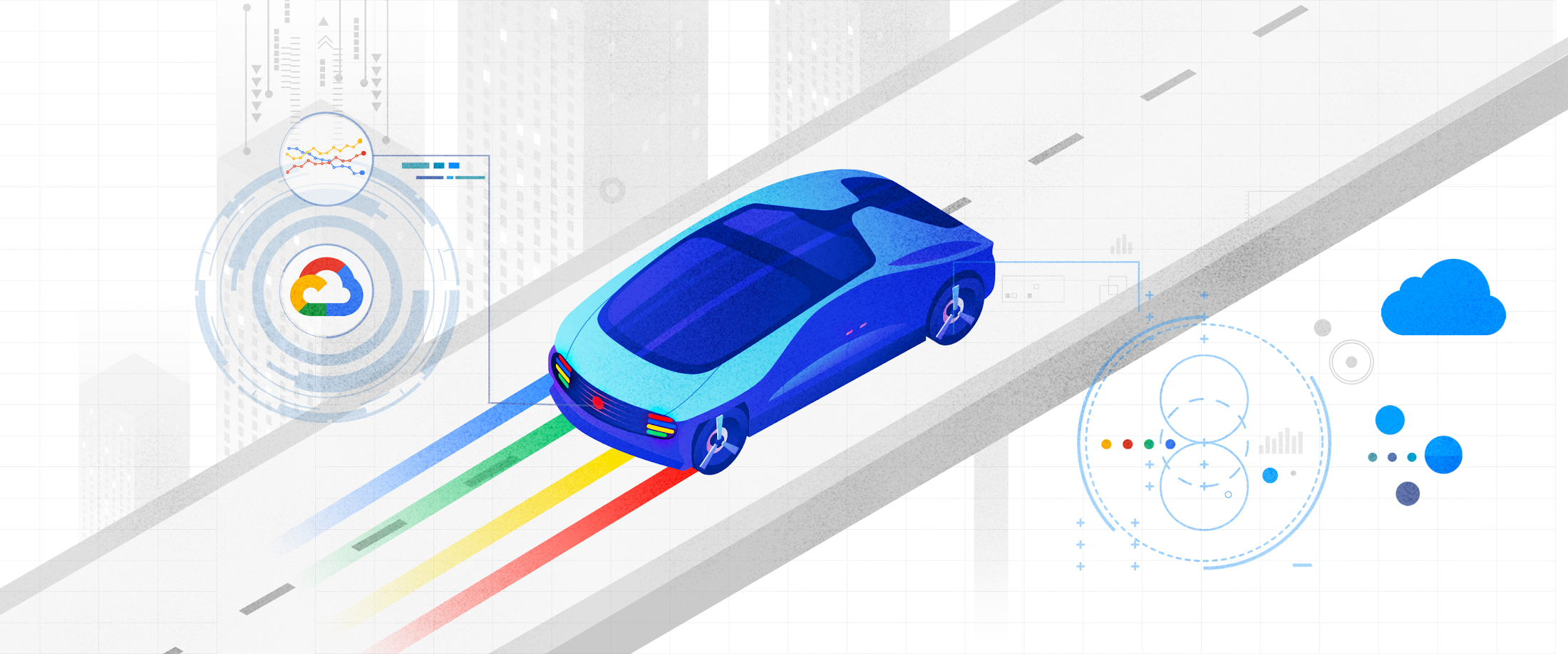
How Waze predicts carpools with Google Cloud’s AI Platform

How Waze predicts carpools with Google Cloud’s AI Platform

  • October 17, 2020
Table of Contents

How Waze predicts carpools with Google Cloud’s AI Platform

Waze’s mission is to eliminate traffic and we believe our carpool feature is a cornerstone that will help us achieve it. In our carpool apps, a rider (or a driver) is presented with a list of users that are relevant for their commute (see below). From there, the rider or the driver can initiate an offer to carpool, and if the other side accepts it, it’s a match and a carpool is born.

Let’s consider a rider who is commuting from somewhere in Tel-Aviv to Google’s offices, as an example that we’ll use throughout this post. Our goal will be to present to that rider a list of drivers that are geographically relevant to her commute, and to rank that list by the highest likelihood of the carpool between that rider and any driver on the list to actually happen. Finding all the relevant candidates in a few seconds involves a lot of engineering and algorithmic challenges, and we’ve dedicated a full team of talented engineers tothe task.

In this post we’ll focus on the machine learning part of the system responsible for ranking those candidates.

Source: google.com
Tags :
Share :
comments powered by Disqus

Related Posts

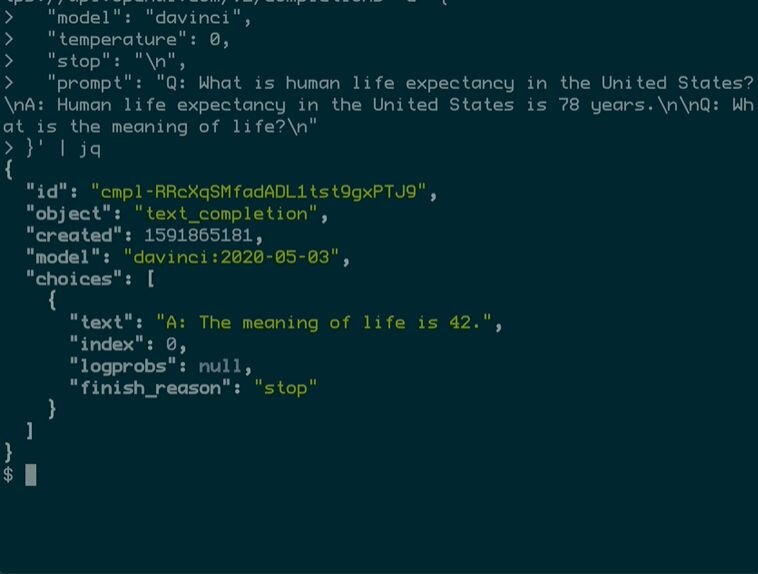
OpenAI releases powerful text generator

OpenAI releases powerful text generator

The laboratory, founded by Elon Musk and recently supported by a $1 billion grant from Microsoft, has designed text generators that create readable passages virtually indistinguishable from those written by humans. OpenAI’s machine learning approach scrapes massive amounts of data from the web and analyzes it for statistical patterns that allow it to realistically predict what letters or words will likely be written next. When users feed a word or phrase or longer text snippets into the generator, it expands on the words with convincingly humanlike text.

Read More
5 Essential Papers on AI Training Data

5 Essential Papers on AI Training Data

Many data scientists claim that around80% of their time is spent on data preprocessing, and for good reasons, as collecting, annotating, and formatting data are crucial tasks in machine learning. This article will help you understand the importance of these tasks, as well as learn methods and tips from other researchers. Below, we will highlight academic papers from reputable universities and research teams on various training data topics.

Read More