The road to the agentic browser: A Kitesurf update

The road to the agentic browser: A Kitesurf update

  • September 29, 2026
Table of Contents
The road to the agentic browser: A Kitesurf update

In August, we introduced Kitesurf, a browser for the agentic age that runs entirely on Cloudflare Workers.  We built it around what agents need from the web, rather than carrying all the features and bloat of a browser designed for humans. If this is the first you’re hearing about it, we highly recommend you read the blog post where we introduced Kitesurf, for all the juicy technical details of how we did it.

Source: blog.cloudflare.com

Share :
comments powered by Disqus

Related Posts

How LLMs Actually Work

How LLMs Actually Work

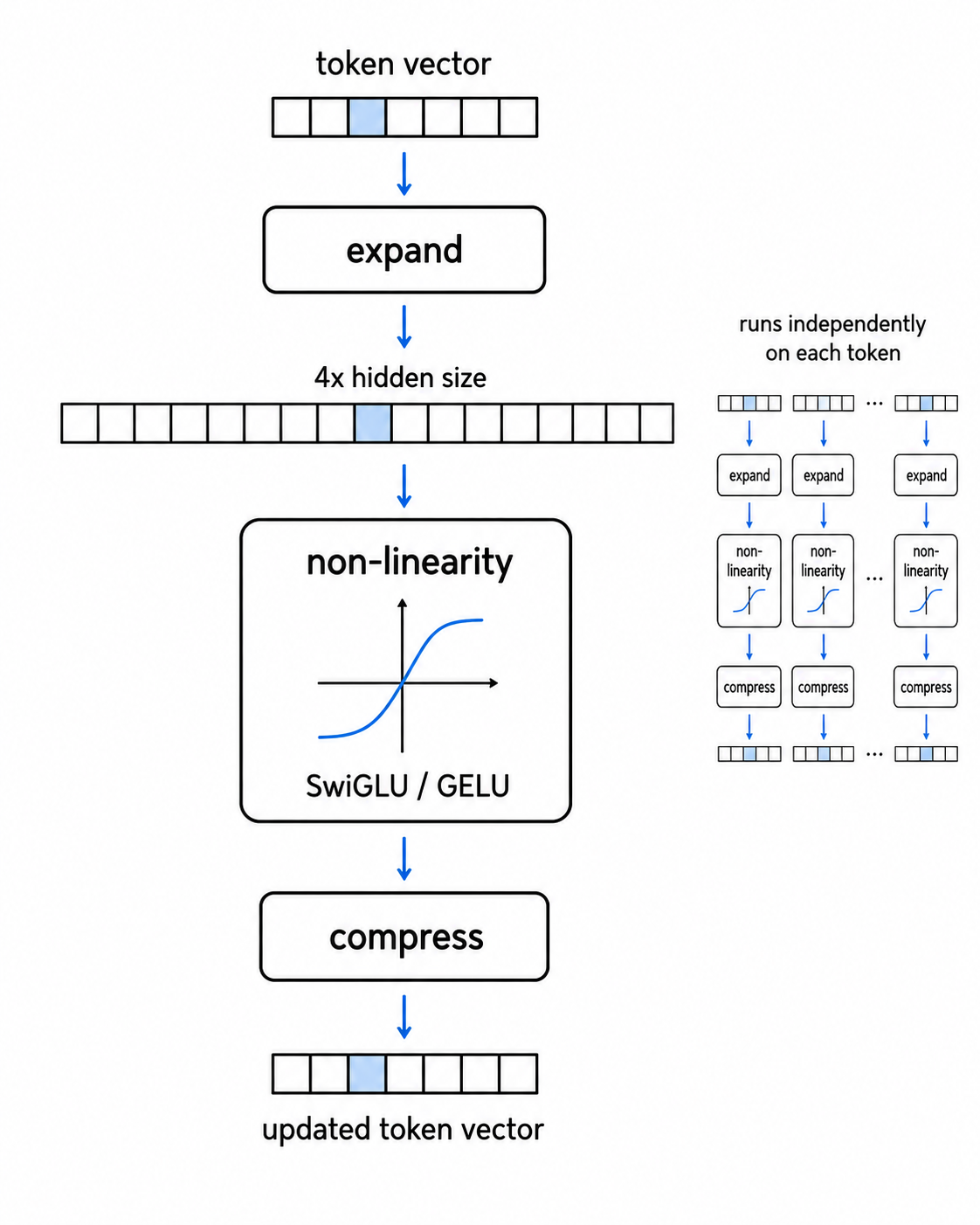
This post is a walkthrough of how LLMs work. Modern LLMs are mostly built by stacking transformer blocks over and over, so understanding the transformer machinery gets you most of the way there.I’ll cover the core mechanisms inside modern transformer-based LLMs, without all that sticky math stuff. Don’t get me wrong, you should learn the math, but this can serve as an introduction.Most modern LLMs share the same transformer-family skeleton. The differences come from what each one was trained on, the scale and configuration choices, and the post-training done on top. By the end, you should be able to read many modern LLM papers or model cards and know which piece of the architecture each section is talking about.

Read More
How Claude is uplifting biomolecular modeling

How Claude is uplifting biomolecular modeling

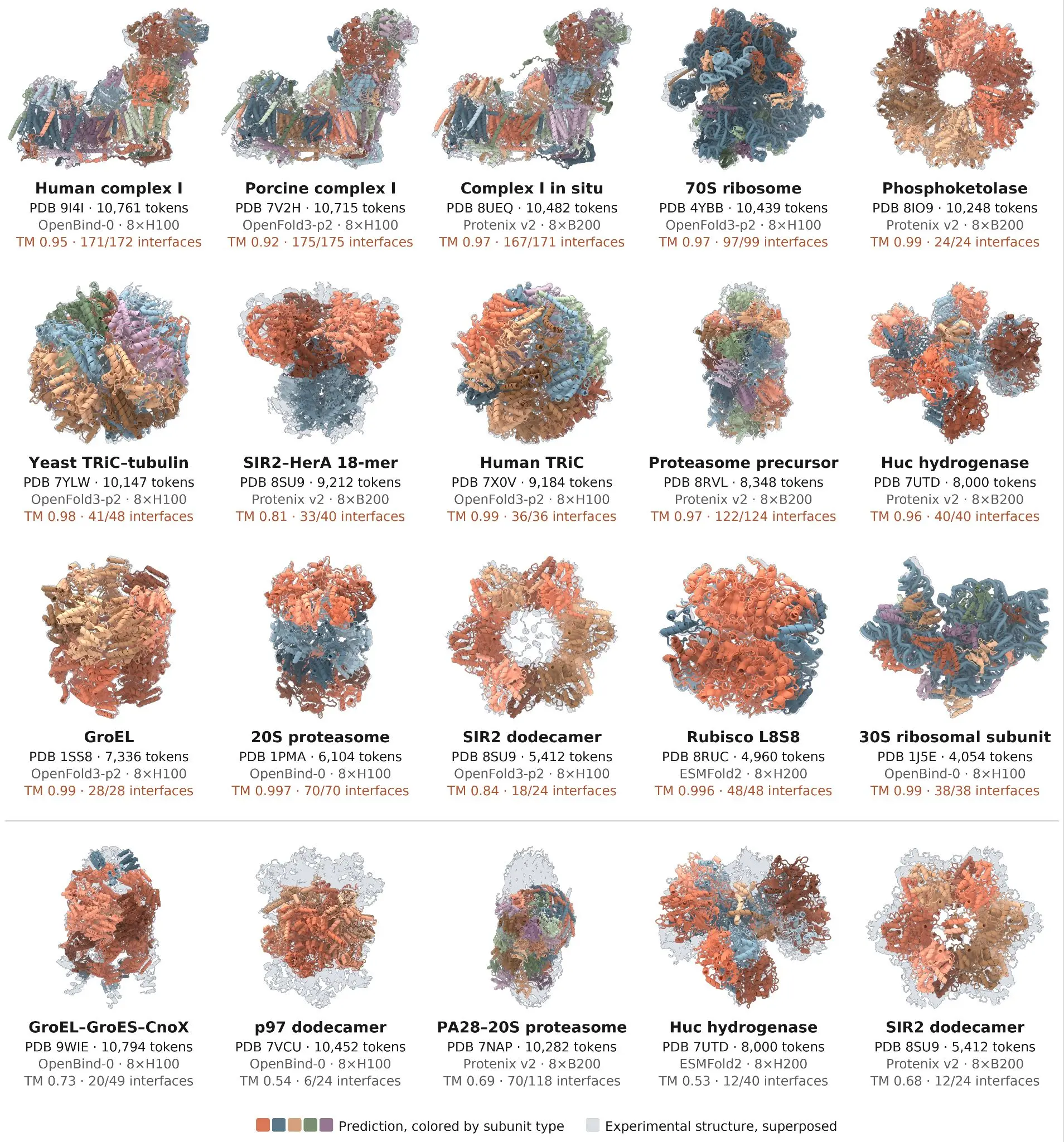
In this post, we share how Claude made the open-source models that scientists use to predict and design biomolecules faster and more memory-efficient. Claude, working within Claude Science, optimized more than 30 of these models in just under four weeks, speeding them up roughly 4x on average. It also created a low-memory mode that enables the accurate prediction of biomolecular systems larger than 10,000 tokens (amino acids, nucleotides, and atoms from small molecules and ions) on a single NVIDIA GPU node. We are open-sourcing all of the optimized code and announcing a protein design competition co-sponsored with Adaptyv Bio, backed by up to $1 million in Claude credits and wet lab validation for over 5,000 designs.

Read More