Digitising books as objects: The invisible made visible

Digitising books as objects: The invisible made visible

  • March 14, 2018
Table of Contents

Digitising books as objects: The invisible made visible

Technology has improved immensely since then and a lot of ‘ink’ has been spread across physical and virtual pages about the remit, the limitations and the advantages of what is offered to the public through the surrogates uploaded onto countless web portals. This piece is just another little drop into this ocean of ink to share some considerations built upon experience and from the perspective of a book conservator who sees, because of his professional background, the limitations of this, but also the exciting challenges to overcome them.

Source: bl.uk
Share :
comments powered by Disqus

Related Posts

Building Windows: 4 million commits, 10 million work items

Building Windows: 4 million commits, 10 million work items

Microsoft’s switch to using Git as the version control system for Windows’ development has resulted in many challenges. Git wasn’t really built for a 300GB repository with 3.5 million files, and the engineering effort to make Git scale in this way continues.

Read More
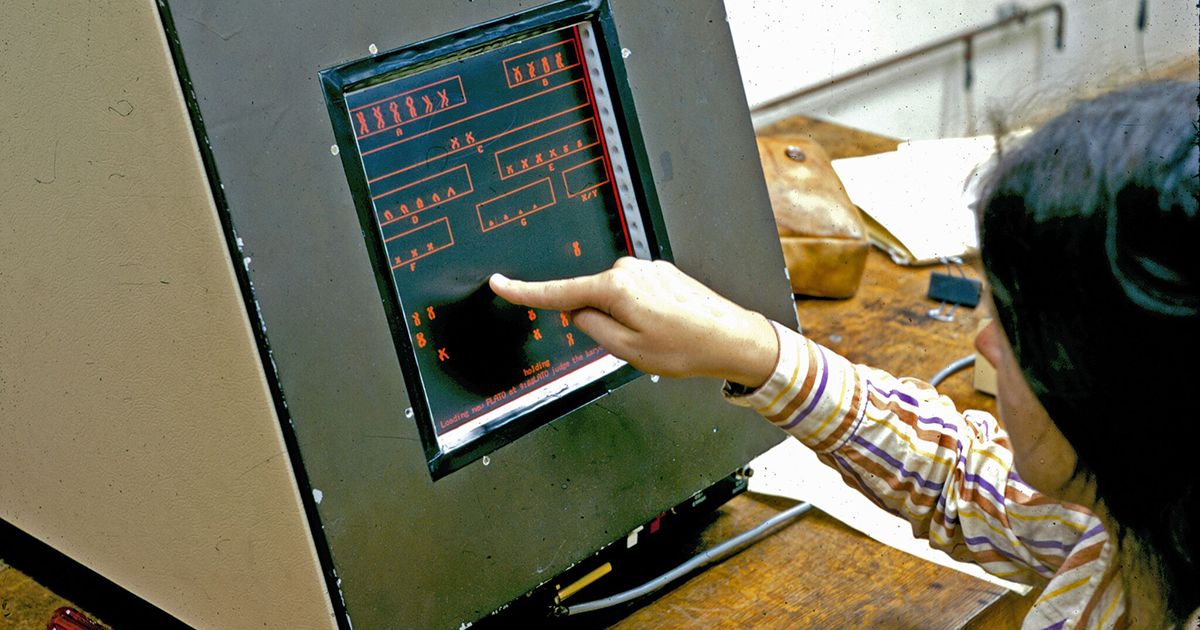
A Look Back at the 1960s PLATO Computing System

A Look Back at the 1960s PLATO Computing System

In the 1960s, researchers at the University of Illinois Urbana—Champaign developed a computer system that they hoped would expand access to education. They envisioned instructors usingthe system to build lessons, and students stationing themselves at machines—whose touchscreen plasma displays had a distinct orange glow—to complete coursework.

Read More
Did plants cause one of Earth’s great extinctions?

Did plants cause one of Earth’s great extinctions?

Clues are hard to come by when you’re trying to look back to a time when the continents clumped together like a closed fist. But geologists have found evidence that plants, the most gentle of organisms, may have helped kill most of the life in the oceans 374 million years ago.

Read More