Ten Machine Learning Algorithms You Should Know to Become a Data Scientist

Ten Machine Learning Algorithms You Should Know to Become a Data Scientist

  • March 15, 2018
Table of Contents

Ten Machine Learning Algorithms You Should Know to Become a Data Scientist

Machine Learning Practitioners have different personalities. While some of them are “I am an expert in X and X can train on any type of data”, where X = some algorithm, some others are “Right tool for the right job people”. A lot of them also subscribe to “Jack of all trades.

Master of one” strategy, where they have one area of deep expertise and know slightly about different fields of Machine Learning. That said, no one can deny the fact that as practicing Data Scientists, we will have to know basics of some common machine learning algorithms, which would help us engage with a new-domain problem we come across. This is a whirlwind tour of common machine learning algorithms and quick resources about them which can help you get started on them.

Source: towardsdatascience.com

Tags :
Share :
comments powered by Disqus

Related Posts

Behind the Motion Photos Technology in Pixel 2

Behind the Motion Photos Technology in Pixel 2

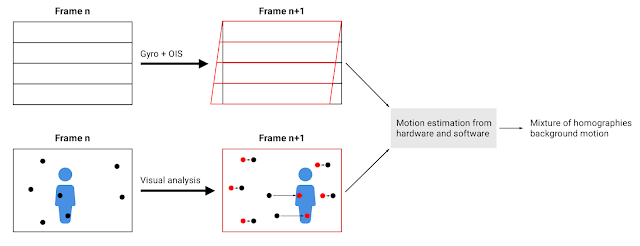
Background motion estimation in motion photos. By using the motion metadata from Gyro and OIS we are able to accurately classify features from the visual analysis into foreground and background.

Read More
Using Google Cloud AutoML to Classify Poisonous Australian Spiders

Using Google Cloud AutoML to Classify Poisonous Australian Spiders

Google’s new Cloud AutoML Vision is a new machine learning service from Google Cloud that aims to make state of the art machine learning techniques accessible to non-machine learning experts. In this post I will show you how I was able, in just a few hours, to create a custom image classifier that is able to distinguish between different types of poisonous Australian spiders. I didn’t have any data when I started and it only required a very basic understanding of machine learning related concepts.

Read More