AI Detects Papaya Ripeness

AI Detects Papaya Ripeness

  • March 16, 2018
Table of Contents

AI Detects Papaya Ripeness

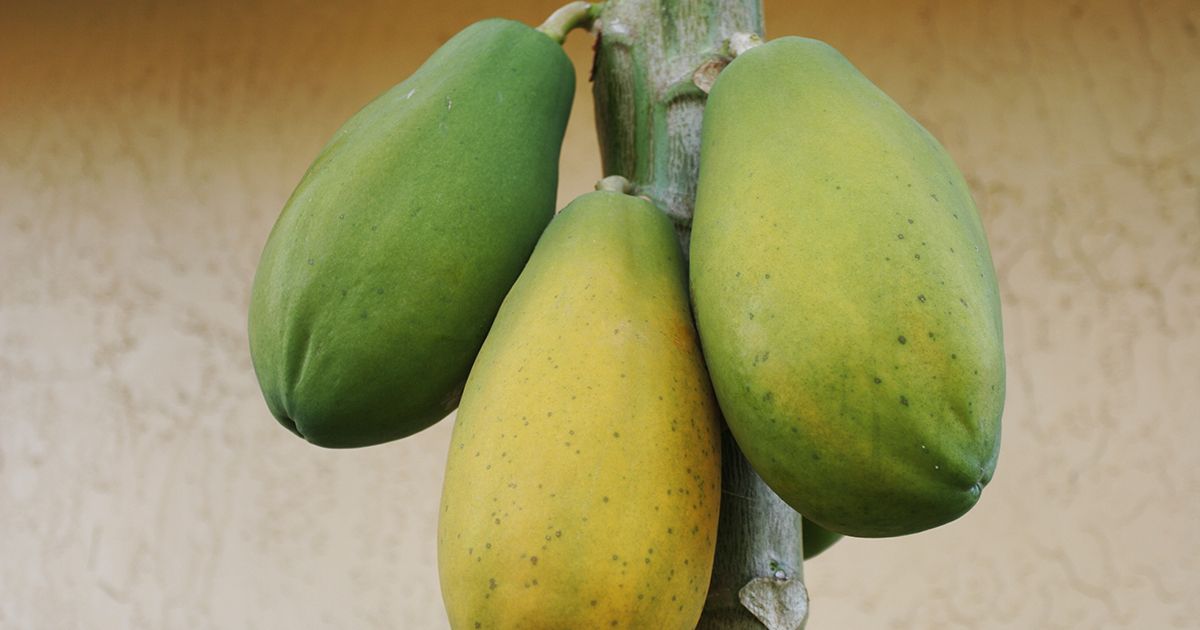
Last year, the United States alone imported more than US $107 million worth of fresh papayas as the world’s largest papaya import market. The computer vision software could enable papaya growers to maximize the value of their fruit by sending the ripestpapayas to local markets and saving less ripe papayas for export, says Douglas Fernandes Barbin, a researcher in the department of food engineering at the University of Campinas in São Paulo, Brazil. But he and his colleagues also want to help individual shoppers get their money’s worth in grocery aisles.

Source: ieee.org

Tags :
Share :
comments powered by Disqus

Related Posts

The Nexus Linking IBM, California Wine, and Climate Modeling

The Nexus Linking IBM, California Wine, and Climate Modeling

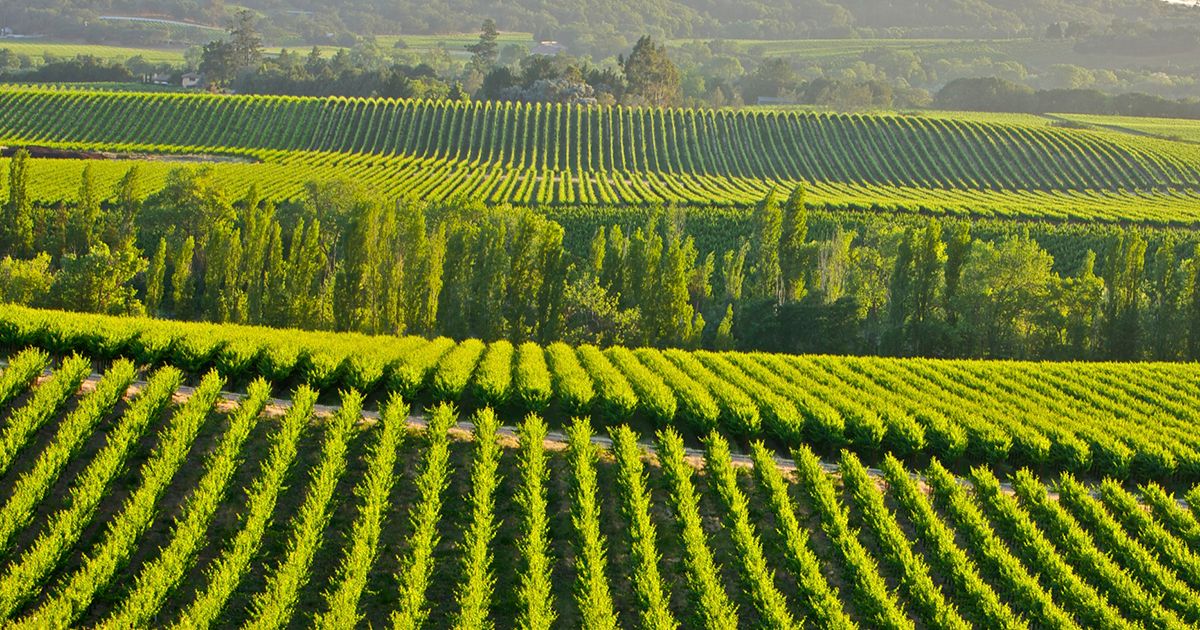
By 2015, Hamann says, the technology—which uses machine learning to extract insights from multiple layers of information—proved itself. Gallo improved yields on the test site while reducing water use. The partnership quickly found another use for IBM’s AI: analyzing a number of variablessuch as proximity to the winery, weather patterns, elevation, days of sunshine, and other factors toidentify suitable locations for new vineyards.

Read More
Using Google Cloud AutoML to Classify Poisonous Australian Spiders

Using Google Cloud AutoML to Classify Poisonous Australian Spiders

Google’s new Cloud AutoML Vision is a new machine learning service from Google Cloud that aims to make state of the art machine learning techniques accessible to non-machine learning experts. In this post I will show you how I was able, in just a few hours, to create a custom image classifier that is able to distinguish between different types of poisonous Australian spiders. I didn’t have any data when I started and it only required a very basic understanding of machine learning related concepts.

Read More