How to build a brain – An introduction to neurophysiology for engineers

How to build a brain – An introduction to neurophysiology for engineers

  • March 16, 2018
Table of Contents

How to build a brain – An introduction to neurophysiology for engineers

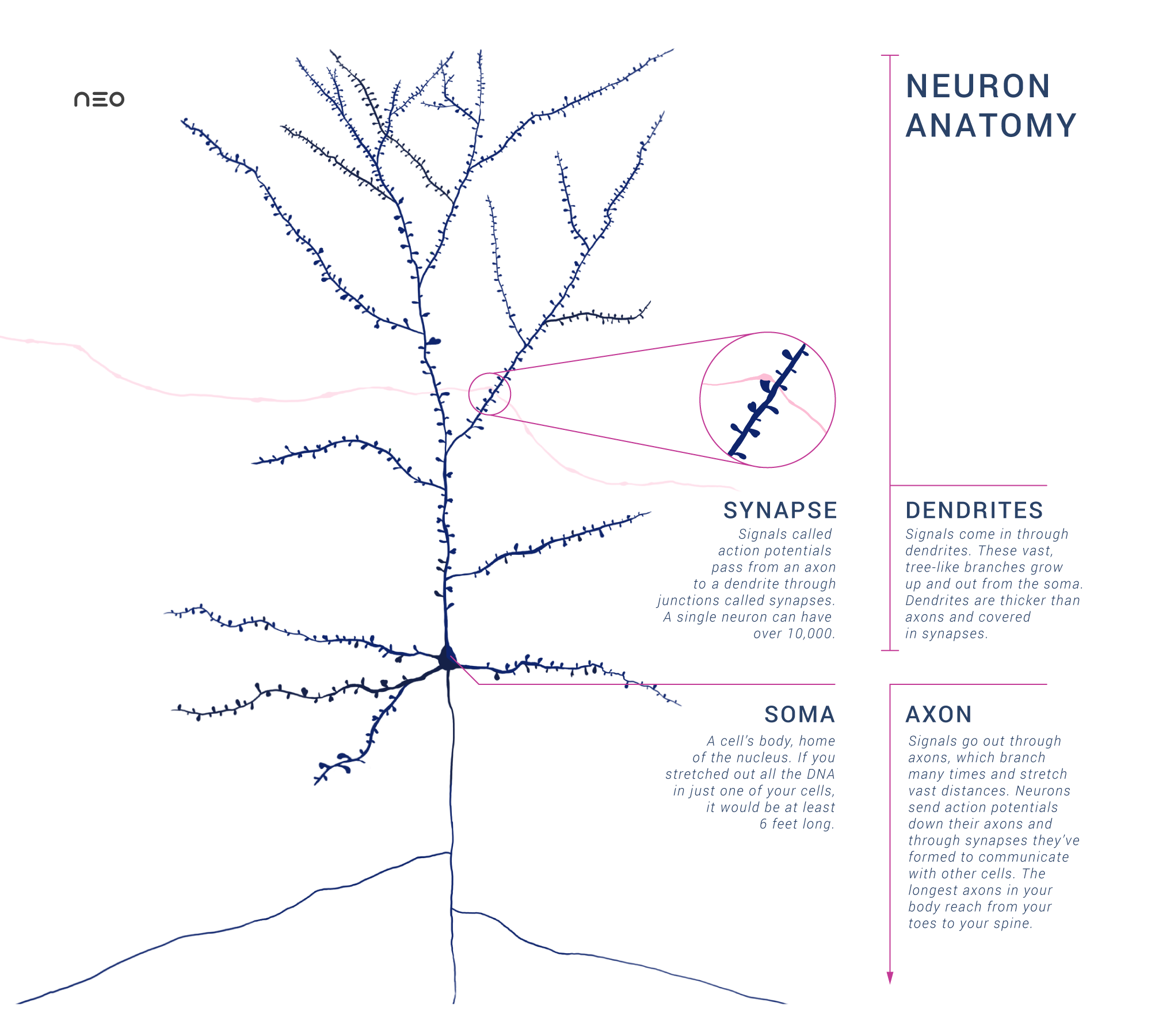
We know that the brain processes information in order to increase chance of survival through intelligent behavior. While computers have a different purpose than their own survival, namely serving us, they also process information. Despite these different goals, let’s ask: How would a computer work if it had evolved biologically?

Why would the design of a brain differ from that of a computer?

Source: juliuskunze.com

Share :
comments powered by Disqus

Related Posts

It’s Time to Make Human-Chimp Hybrids

It’s Time to Make Human-Chimp Hybrids

It is a bit of a stretch, but by no means impossible or even unlikely that a hybrid or a chimera combining a human being and a chimpanzee could be produced in a laboratory. After all, human and chimp (or bonobo) share, by most estimates, roughly 99 percent of their nuclear DNA. Granted this 1 percent difference presumably involves some key alleles, the newgene-editing tool CRISPR offers the prospect (for some, the nightmare) of adding and deleting targeted genes as desired.

Read More
Brainless Embryos Suggest Bioelectricity Guides Growth

Brainless Embryos Suggest Bioelectricity Guides Growth

In recent years, by working on tadpoles and other simple creatures, Levin’s laboratory has amassed evidence that the embryo is molded by bioelectrical signals, particularly ones that emanate from the young brain long before it is even a functional organ. Those results, if replicated in other organisms, may change our understanding of the roles of electrical phenomena and the nervous system in development, and perhaps more widely in biology.

Read More