Birds can see Earth’s magnetic fields

Birds can see Earth’s magnetic fields

  • April 13, 2018
Table of Contents

Birds can see Earth’s magnetic fields

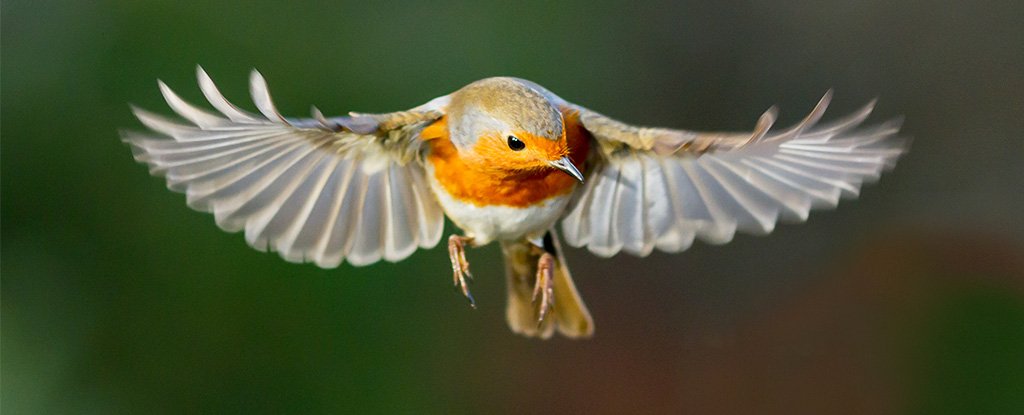
The mystery behind how birds navigate might finally be solved: it’s not the iron in their beaks providing a magnetic compass, but a newly discovered protein in their eyes that lets them ‘see’ Earth’s magnetic fields. These findings come courtesy of two new papers – one studying robins, the other zebra finches. The fancy eye protein is called Cry4, and it’s part of a class of proteins called cryptochromes – photoreceptors sensitive to blue light, found in both plants and animals.

These proteins play a role in regulating circadian rhythms.

Source: sciencealert.com

Tags :
Share :
comments powered by Disqus

Related Posts

Listening for illegal logging chainsaws using TensorFlow

Listening for illegal logging chainsaws using TensorFlow

Our team has built the world’s first scalable, real-time detection and alert system for logging and environmental conservation in the rainforest. Building hardware that will survive in the rainforest is challenging, but we’re using what’s already there: the trees. We’ve hidden modified smartphones powered with solar panels—called “Guardian” devices—in trees in threatened areas, and continuously monitor the sounds of the forest, sending all audio up to our cloud-based servers over the standard, local cell-phone network.

Read More
Slow-Motion Ocean: Atlantic’s Circulation Is Weakest in 1,600 Years

Slow-Motion Ocean: Atlantic’s Circulation Is Weakest in 1,600 Years

In recent years sensors stationed across the North Atlantic have picked up a potentially concerning signal: The grand northward progression of water along North America that moves heat from the tropics toward the Arctic has been sluggish. If that languidness continues and deepens, it could usher in drastic changes in sea level and weather around the ocean basin.

Read More
What makes a tree a tree?

What makes a tree a tree?

Despite numerous studies and 30-plus genomes under their belts, scientists are still struggling to nail down the defining traits of these tall, long-lived, woody plants.

Read More