Mining in Space Could Lead to Conflicts on Earth

Mining in Space Could Lead to Conflicts on Earth

  • May 4, 2018
Table of Contents

Mining in Space Could Lead to Conflicts on Earth

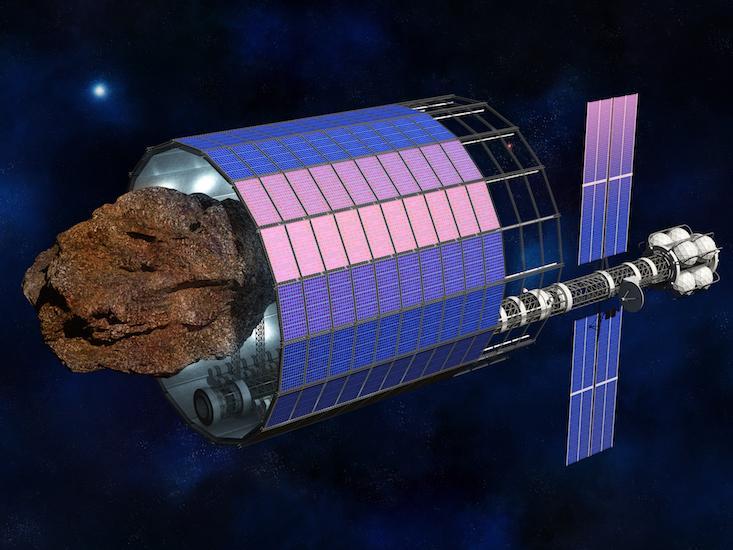
Space mining is no longer science fiction. By the 2020s, Planetary Resources and Deep Space Industries—for-profit space-mining companies cooperating with NASA—will be sending out swarms of tiny satellites to assess the composition of hurtling hunks of cosmic debris, identify the most lucrative ones, and harvest them. They’ve already developed prototype spacecraft to do the job.

Some people—like Massachusetts Institute of Technology planetary scientist Sara Seager, former NASA deputy administrator Lori Garver, and science writer Phil Plait—argue that, to continue advancing as a space-faring species, we need to embrace this commercial space mining industry, and perhaps even facilitate it, too. But should we?

Source: nautil.us
Tags :
Share :
comments powered by Disqus

Related Posts

New Shepard flies again, bringing suborbital space tourism closer

New Shepard flies again, bringing suborbital space tourism closer

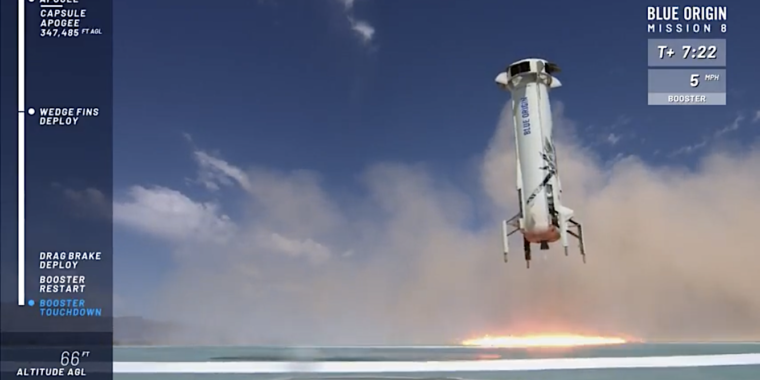
Sunday’s flight was Blue Origin’s eighth overall launch of the New Shepard system and the second time this particular spacecraft and booster have flown. They last flew in December. It is believed that this capsule, the third one built by the company, will undergo extensive testing before crew flights begin in the fourth vehicle.

Read More
Drilling with Curiosity

Drilling with Curiosity

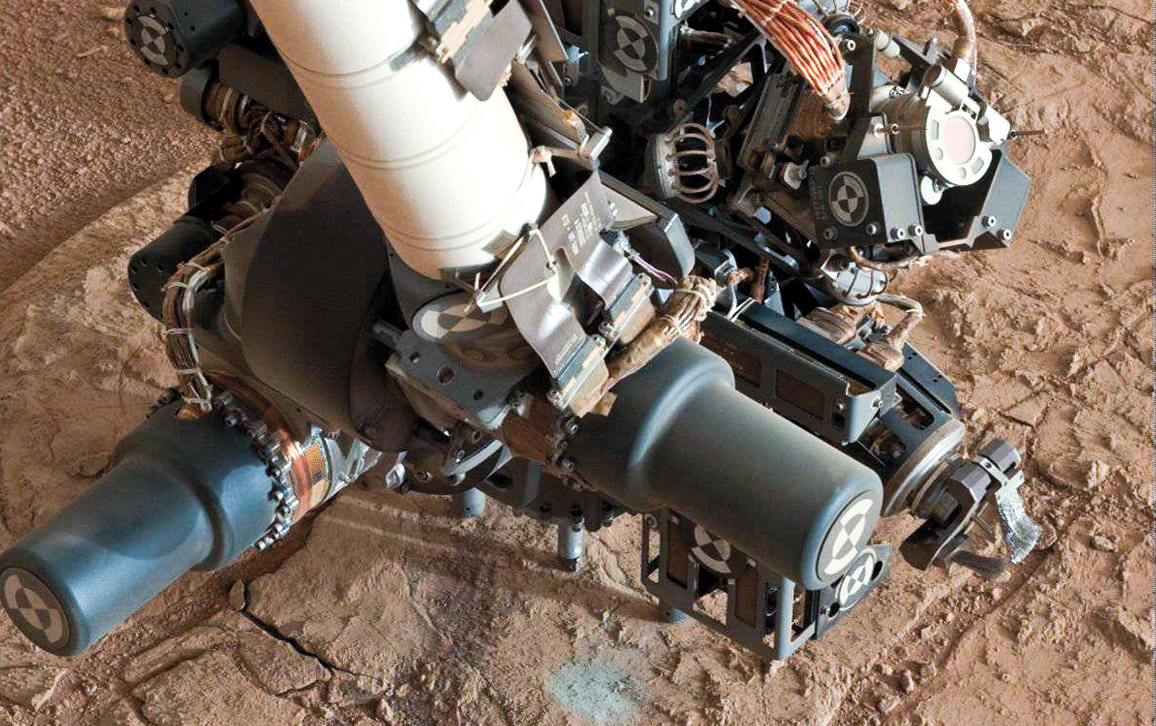
Remotely operating a rover on another planet so that it can gather and analyze samples requires extensive planning, failure work-arounds, and compromise.

Read More
Improved Hubble data provide fresh evidence for new physics

Improved Hubble data provide fresh evidence for new physics

Measurements made by the European Space Agency’s Planck satellite, which maps the cosmic microwave background, predicted that the Hubble constant value should now be 67 kilometers per second per megaparsec (3.3 million light-years), and could be no higher than 69 kilometers per second per megaparsec. This means that for every 3.3 million light-years farther away a galaxy is from us, it is moving 67 kilometers per second faster. But Riess’s team measured a value of 73 kilometers per second per megaparsec, indicating galaxies are moving at a faster rate than implied by observations of the early universe.

Read More