Inside the Plan to Print All of Wikipedia and Send It to the Moon
Table of Contents
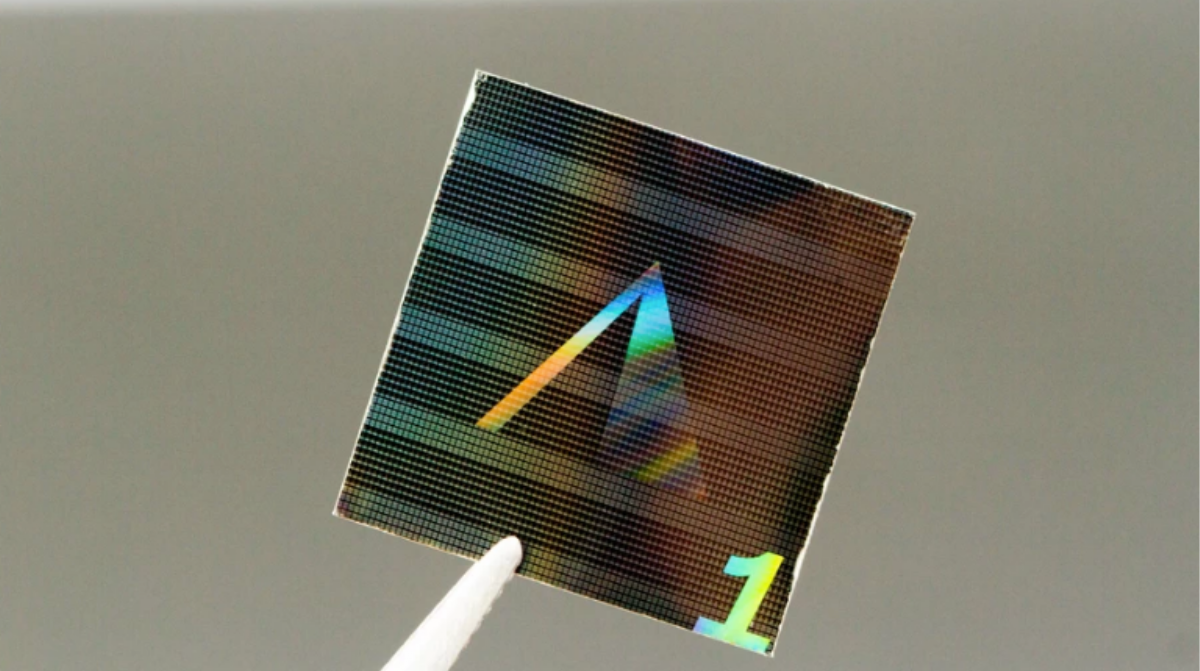
The Arch Mission Foundation is printing out all 25 million pages of the English version of Wikipedia and sending it to the moon. That way, even if humans don’t make it, a comprehensive record of our existence will survive for millennia. In short, it appears like the only way to totally destroy Wikipedia would be to destroy the world, or at least all the humans on it.
As unlikely as this may sound, cataclysmic extinction events have happened before on Earth and will, in all likelihood, happen again. This is part of the reason why the Arch Mission Foundation, a nonprofit created by American serial entrepreneur Nova Spivak, is printing out all 25 million pages of the English version of Wikipedia and sending it to the moon. That way, even if humans don’t make it, a comprehensive record of our existence will survive for millennia.
Spivak’s original plan was to send a copy of the English version of Wikipedia into high earth orbit by piggybacking on a commercial geostationary satellite. This plan would eventually expand to include Archs placed in orbit around the moon and elsewhere in deep space. Spivak’s original timeline for launching the first Arch was before 2050 and by 2100 to have Archs distributed throughout the solar system.
Source: vice.com