Toxic Chemicals From E-Waste Are Working Their Way Into Our Food Packaging

Toxic Chemicals From E-Waste Are Working Their Way Into Our Food Packaging

  • June 2, 2018
Table of Contents

Toxic Chemicals From E-Waste Are Working Their Way Into Our Food Packaging

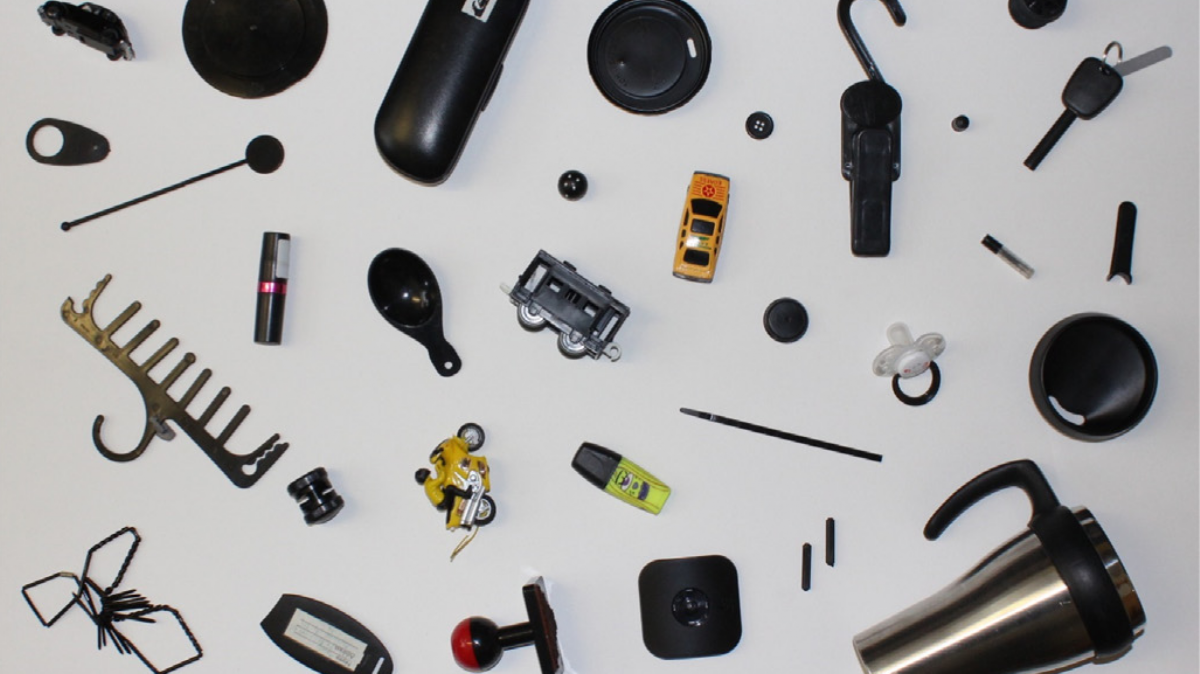
Black plastics are notoriously hard to recycle, which has led to the introduction of toxic chemicals into consumer products using recycled black plastics. Each year the world generates about 50 tons of e-waste—electronic items that are trashed because they are no longer useful or considered outdated—but only about 13 percent of this e-waste is recycled. This is a huge problem in itself, since most of this e-waste ends up in landfills in developing countries where the toxic chemicals found in the waste leach into local water supplies and poison the environment.

According to new research published in Environment International, however, even recycled e-waste poses a significant health risk because it contains toxic materials and is often used to make black plastics that come in contact with food. Black plastics are colored using carbon black, a type of industrial pigment that is a desired additive in plastics for its durability and color. Its versatility means that it can be found in everything from garbage bags and DVD cases to coffee cup lids, plastic utensils, and takeout containers—in fact, black plastics account for about 15 percent of plastic waste in the UK, which has some of the best data on the stuff.

According to Turner, the problem is that carbon black is incredibly difficult to recycle using current plastic sorting techniques.

Source: vice.com

Share :
comments powered by Disqus

Related Posts

China overtakes U.S. for healthy lifespan: WHO data

China overtakes U.S. for healthy lifespan: WHO data

GENEVA (Reuters) – China has overtaken the United States in healthy life expectancy at birth for the first time, according to World Health Organization data. Chinese newborns can look forward to 68.7 years of healthy life ahead of them, compared with 68.5 years for American babies, the data – which relates to 2016 – showed. American newborns can still expect to live longer overall – 78.5 years compared to China’s 76.4 – but the last 10 years of American lives are not expected to be healthy.

Read More
How an AI Startup Could Defeat Now Unbeatable Bugs

How an AI Startup Could Defeat Now Unbeatable Bugs

The need for new medications is higher than ever, but so is the cost and time to bring them to market. Developing a new drug can cost billions and take as long as 14 years, according to the U.S. Food and Drug Administration. Yet with all that effort, only 8 percent of drugs make it to market, the FDA said.

Read More
Ingestible “bacteria on a chip” could help diagnose disease

Ingestible “bacteria on a chip” could help diagnose disease

This “bacteria-on-a-chip” approach combines sensors made from living cells with ultra-low-power electronics that convert the bacterial response into a wireless signal that can be read by a smartphone. In the new study, appearing in the May 24 online edition of Science, the researchers created sensors that respond to heme, a component of blood, and showed that they work in pigs. They also designed sensors that can respond to a molecule that is a marker of inflammation.

Read More