‘Ground-breaking’ diabetes insulin drug trialled in Cardiff

‘Ground-breaking’ diabetes insulin drug trialled in Cardiff

  • September 11, 2018
Table of Contents

‘Ground-breaking’ diabetes insulin drug trialled in Cardiff

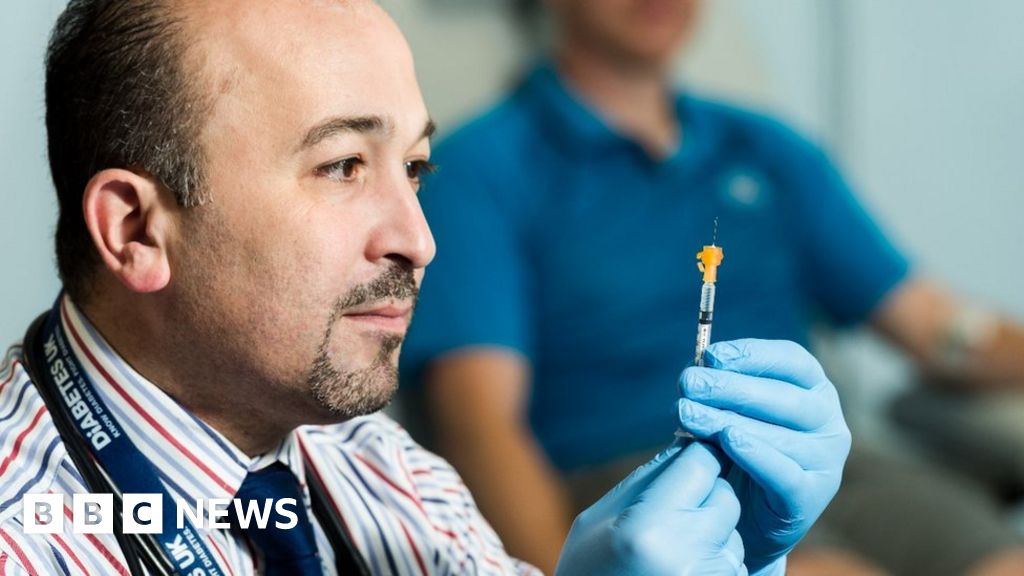
A ‘ground-breaking’ drug that helps people with diabetes re-grow insulin-making cells has been developed. About 19,000 people live with Type 1 of the condition in Wales and 90% have less than 5% of these cells left. This means they have to inject insulin

but it is hoped the new drug will mean patients may not have to in the future. The trials are being conducted by researchers at Cardiff and Vale University Health Board and two people have already been given the drug. The new drug could mean they are no longer dependent on injecting it and this will potentially reduce many of the problems associated with the chronic disease.

While the majority of diabetics (about 170,000) have Type 2, diabetes costs the NHS in Wales approximately £500m a year, 10% of its annual budget. The first two patients in the world have been dosed with the investigational drug, which helps re-grow insulin-making beta cells of the pancreas, lost in patients living with the disease. They were closely monitored over 72 hours and so far, neither has had any major side effects.

The research team is now looking to recruit eight people who have had diabetes for more than two years to take part in wider-ranging trials. The Welsh Government’s Health and Care Research Wales team helps collaborations and the organisation’s Carys Thomas said the work could prove ‘ground-breaking’.

Source: bbc.com

Share :
comments powered by Disqus

Related Posts

Cancer cells engineered with CRISPR slay their own kin

Cancer cells engineered with CRISPR slay their own kin

Using gene editing, scientists have hoodwinked tumor cells into turning against their own kind. Cancer cells circulating in the bloodstream have something of a homing instinct, able to find and return to the tumor where they originated. To capitalize on that ability, researchers engineered these roving tumor cells to secrete a protein that triggers a death switch in resident tumor cells they encounter.

Read More
The inconvenient truth about cancer and mobile phones

The inconvenient truth about cancer and mobile phones

On 28 March this year, the scientific peer review of a landmark United States government study concluded that there is “clear evidence” that radiation from mobile phones causes cancer, specifically, a heart tissue cancer in rats that is too rare to be explained as random occurrence. Eleven independent scientists spent three days at Research Triangle Park, North Carolina, discussing the study, which was done by the National Toxicology Program of the US Department of Health and Human Services and ranks among the largest conducted of the health effects of mobile phone radiation. NTP scientists had exposed thousands of rats and mice (whose biological similarities to humans make them useful indicators of human health risks) to doses of radiation equivalent to an average mobile user’s lifetime exposure.

Read More
Our cancer preventing genes revealed

Our cancer preventing genes revealed

In our bodies, we all have genes working hard to prevent cancer. If they don’t do their job properly, rogue cells can mutate and develop into the life-threatening disease. The malfunction of one so-called “super tumour suppressor gene” known as p53 causes at least half of all cancers.

Read More