Reaching for the Stars with Ansible Operator

Reaching for the Stars with Ansible Operator

  • January 29, 2019
Table of Contents

Reaching for the Stars with Ansible Operator

In this post I will show you how to use Roles published to Ansible Galaxy as an Operator to manage an application in Kubernetes. Reusing a Role in this way provides an example of how to create an Operator that simply installs an application with the flexibility to expand and customize the behavior organically as requirements dictate. I will leverage both the Ansible Operator and the k8s module to demonstrate how you can use Ansible to create Kubernetes native applications.

Ansible Operator, included in the Operator SDK, allows you to package your operational knowledge (how you install and maintain your application) in the form of Ansible Roles and Playbooks. Your ability to manage objects in Kubernetes when writing these Roles and Playbooks can be improved by the new k8s module.

Source: openshift.com
Share :
comments powered by Disqus

Related Posts

APIServer dry-run and kubectl diff

APIServer dry-run and kubectl diff

Declarative configuration management, also known as configuration-as-code, is one of the key strengths of Kubernetes. It allows users to commit the desired state of the cluster, and to keep track of the different versions, improve auditing and automation through CI/CD pipelines. The Apply working-group is working on fixing some of the gaps, and is happy to announce that Kubernetes 1.13 promoted server-side dry-run and kubectl diff to beta.

Read More
CVE-2018-18264 Privilege escalation through Kubernetes dashboard

CVE-2018-18264 Privilege escalation through Kubernetes dashboard

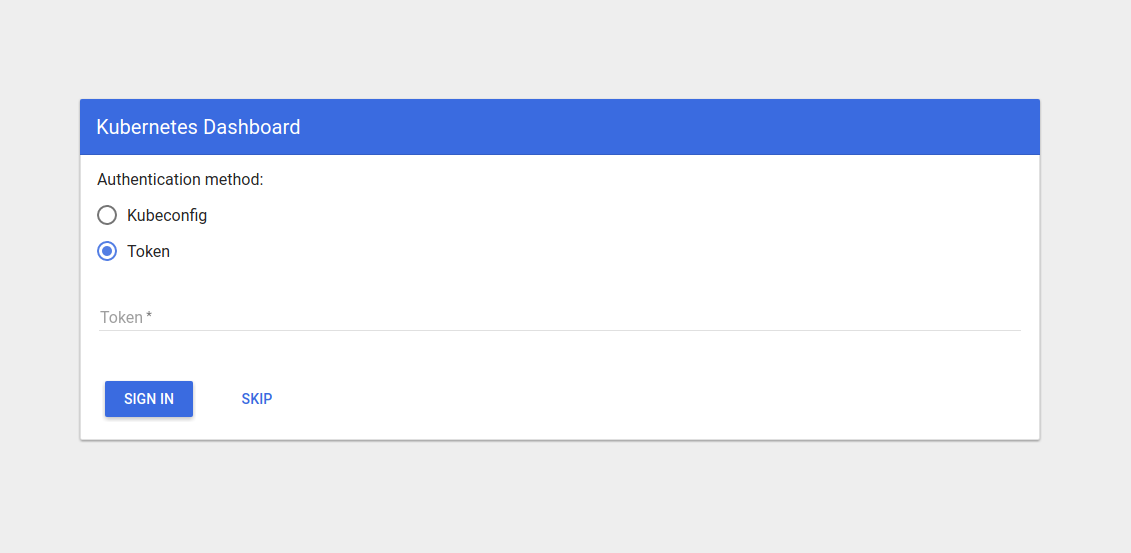
A recently disclosed vulnerability in Kubernetes dashboard (CVE-2018-18264) exposes secrets to unauthenticated users. In this blog post we’ll explore some key takeaways regarding monitoring privilege escalation on Kubernetes. The Kubernetes dashboard is a web based user interface that allows users to manage applications and resources within the cluster.

Read More
Running Kubernetes in the Federal Government

Running Kubernetes in the Federal Government

Tackling security compliance is a long and challenging process for agencies, systems integrators, and vendors trying to launch new information systems in the federal government. Each new information system must go through the Risk Management Framework (RMF) created by the National Institute of Standards and Technology (NIST) in order to obtain authority to operate (ATO). This process is often long and tedious and can last for over a year.

Read More